Prime Minister Lawrence Wong has reached out directly to Indonesian President Prabowo Subianto with expressions of condolence following a powerful earthquake that devastated the Flores region in eastern Indonesia on Saturday, August 15. The disaster has claimed the lives of more than 50 people, left at least 135 injured, and caused widespread structural damage across the island. The tragedy underscores the seismic vulnerability of Indonesia's eastern archipelago and highlights the ongoing humanitarian challenges faced by the region's disaster management authorities.
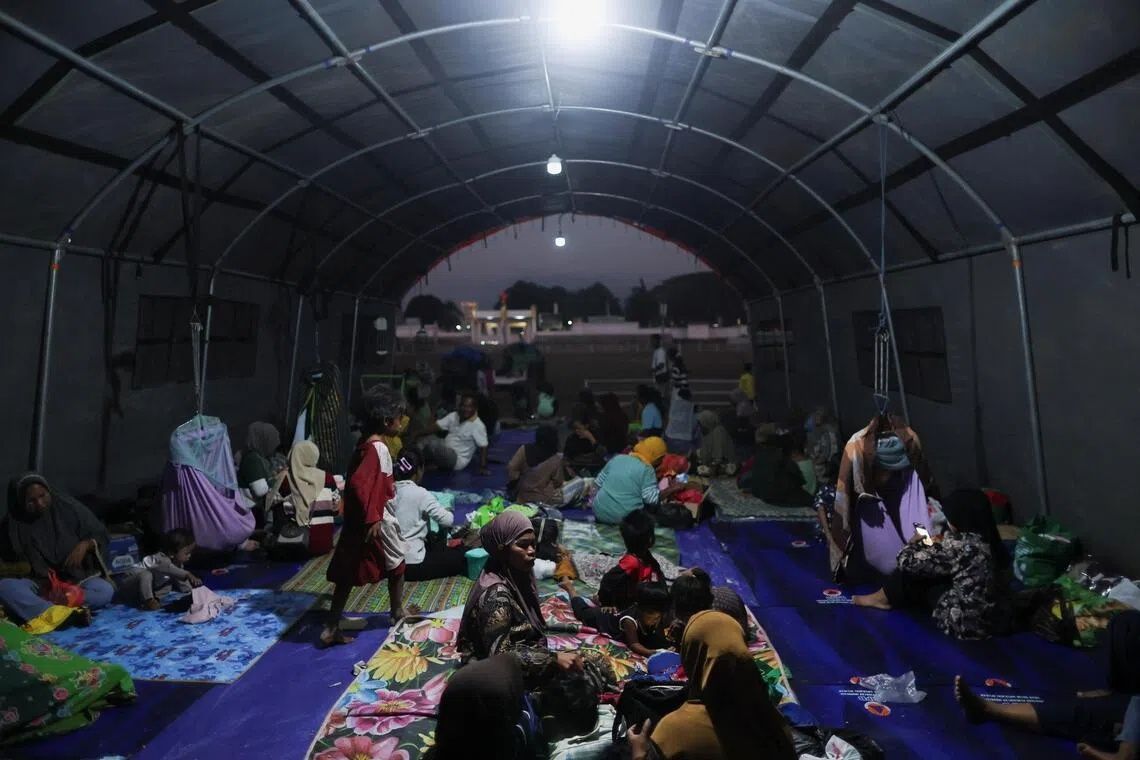
The initial 7.7-magnitude quake that struck off Flores's coast triggered an immediate humanitarian crisis, with approximately 5,000 residents forced to abandon their homes as the ground shook violently early on August 15. The aftermath proved equally challenging, as the island experienced nearly 1,000 aftershocks in the hours following the main tremor, compounding the trauma experienced by survivors and hampering initial rescue operations. This sustained seismic activity is characteristic of earthquake zones along major tectonic boundaries, where stress releases occur in incremental bursts rather than a single catastrophic event.
Furthering the destabilisation of the region, a secondary earthquake measuring 6.1 magnitude struck off the coast of northern Sumatra only hours after the Flores quake. Fortunately, initial reports indicated no casualties from this secondary event, though it served as a sobering reminder of Indonesia's position at the intersection of three major tectonic plates—the Indo-Australian, Eurasian, and Philippine plates—which creates one of Earth's most seismically active zones.
In his public response on Sunday, August 16, PM Wong took to Facebook to communicate Singapore's solidarity with the Indonesian people during the crisis. His message reflected not merely diplomatic courtesy but genuine concern for the scale of human suffering unfolding across the strait. The Prime Minister emphasised that the Singapore Government stood alongside the affected families and broader Indonesian community, articulating a sentiment of shared regional concern that resonates across Southeast Asia's tightly-knit political landscape.
Beyond expressions of sympathy, PM Wong's statement acknowledged the critical role being played by Indonesian emergency personnel and relief authorities mobilising on the ground. The recognition of these frontline workers underscores a regional understanding that effective disaster response depends on coordinated effort between government agencies, international partners, and local communities. For Malaysia and other ASEAN nations, such disasters serve as reminders of the importance of maintaining robust disaster management infrastructure and cross-border cooperation frameworks.
The humanitarian situation on the ground remained dire in the immediate aftermath, with rescue officials reporting acute shortages of essential supplies as of August 16. Survivors urgently required emergency shelter tents, food provisions, medical supplies, clean drinking water, and electricity generators to support both rescue operations and basic living conditions. These materialised needs reflect the cascading vulnerabilities that emerge when natural disasters strike less-developed regions with limited pre-positioned disaster relief resources.
The Flores earthquake also raises important questions about disaster preparedness across the Indo-Pacific region. While Indonesia has invested heavily in early warning systems and disaster management protocols following the devastating 2004 Indian Ocean tsunami, the challenge of managing a populated earthquake zone remains extraordinarily complex. The island's rugged terrain and dispersed settlement patterns complicate access routes for aid delivery, particularly in the immediate aftermath when road infrastructure may be compromised by structural damage.
For Malaysia, which shares Indonesia's position within the same broader seismic and tectonic framework, the incident carries instructive value about the importance of continuous investment in earthquake preparedness. While Malaysia's west coast experiences less frequent major seismic activity compared to Indonesia's eastern islands, the potential for significant tremors exists, particularly along fault lines in Sabah and Sarawak. The Flores disaster underscores why maintaining trained rescue personnel, pre-positioned medical supplies, and coordinated emergency protocols remains essential.
Regional cooperation mechanisms also gain renewed significance following such disasters. ASEAN's Coordinating Centre for Humanitarian Assistance (AHA Centre) and bilateral aid arrangements between member states enable rapid mobilisation of relief resources across borders. Singapore's capacity to provide technical expertise, medical personnel, and logistical support—as demonstrated through similar crises in the past—reflects how developed city-states can contribute meaningfully to regional disaster response even when not directly affected by the catastrophe.
The broader implications of the Flores earthquake extend beyond immediate humanitarian concerns. Indonesia's disaster management agencies must balance urgent recovery efforts with longer-term reconstruction planning. The thousands of people displaced by the quake face extended periods of uncertainty regarding housing, livelihoods, and infrastructure restoration. International support, including Malaysian and Singapore contributions, can meaningfully accelerate these processes.
PM Wong's personal outreach to President Prabowo also signals continuity in Singapore-Indonesia relations, which remain foundational to regional stability. The warmth of bilateral expressions during crisis moments reinforces diplomatic bonds that support broader ASEAN cooperation on security, economic, and environmental matters. This human dimension of diplomacy—leaders extending personal condolences—matters considerably in building the trust necessary for sustained regional partnership.
As rescue operations continued and relief efforts mobilised, the international focus remained on the Indonesian authorities' capacity to coordinate an effective response to this major disaster. The coming weeks would determine whether immediate survival needs could be met, whether the supply chain disruptions caused by infrastructure damage could be rapidly remedied, and whether displaced communities could begin the long process of rebuilding their homes and livelihoods. Singapore's expression of solidarity, alongside similar gestures from other regional partners, provided both practical and psychological support during an extraordinarily difficult period for the Indonesian people.

