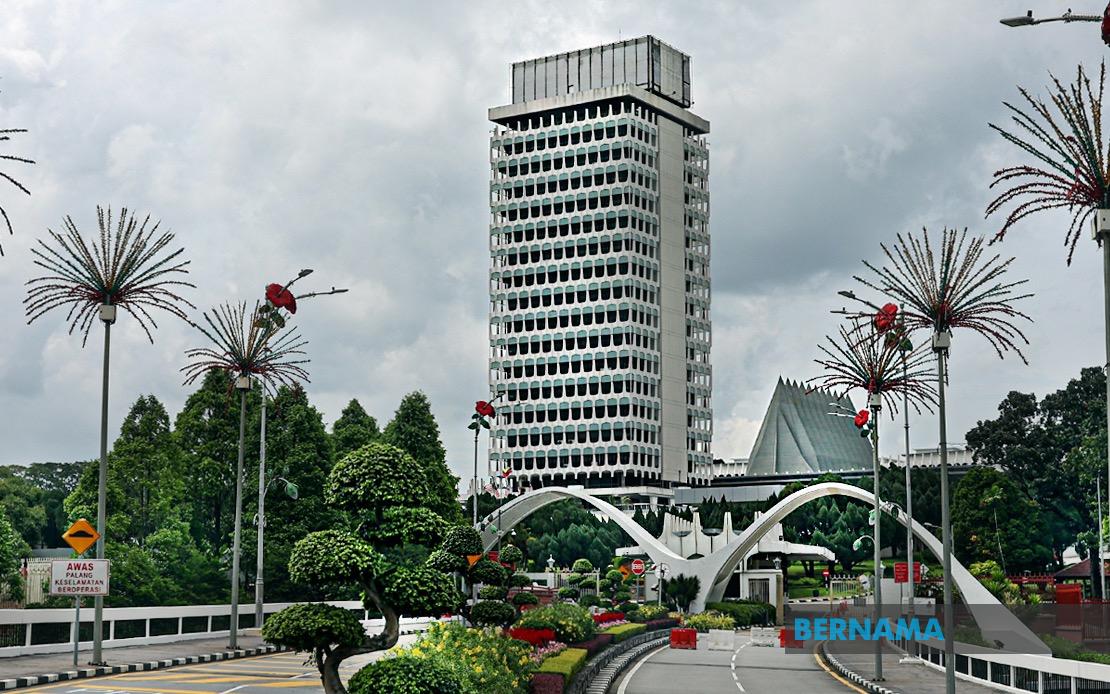
Only a single piece of legislation successfully navigated the chamber during the opening week of the Dewan Rakyat's latest sitting, marking a measured start to a 16-day parliamentary session that began on June 22 and will run through July 16. The Road Transport (Amendment) Bill 2026 emerged as the session's sole successful passage, representing a focused legislative effort on highway safety and criminal enforcement despite a broader agenda of pending matters awaiting parliamentary attention.
Transport Minister Anthony Loke outlined the substantive provisions driving the amendment, explaining that the new legislation introduces Section 42A to empower authorities to take enforcement action against illegal street racing without requiring documented evidence of accidents, injuries, or fatalities. This modification directly addresses a longstanding enforcement challenge that had hampered road safety efforts for years. Previously, law enforcement agencies faced considerable legal constraints, needing to demonstrate concrete proof of danger or documented harm before pursuing charges—a burden that frequently allowed illegal racing activity to persist unpunished.
The amendment effectively closes what had become a significant loophole in traffic law, reflecting parliamentary recognition that reactive enforcement waiting for tragedy to occur represents poor policy design. By permitting proactive intervention, authorities can now disrupt dangerous street racing operations at earlier stages, potentially preventing casualties altogether. Loke indicated the ministry's commitment to further legislative evolution by signalling plans to introduce a complementary amendment to the Road Transport Act later in 2026, designed to establish victim compensation mechanisms for those harmed by drink-driving or drug-impaired operators, layering new financial consequences atop existing criminal penalties.
Meanwhile, the Prison (Amendment) Bill 2026 took a different parliamentary trajectory, being deferred and sent back to the Parliamentary Select Committee for deeper examination. This legislation would have authorised electronic monitoring systems for prisoners and created formal frameworks for volunteer participation in rehabilitation initiatives—measures reflecting evolving approaches to corrections management. The decision to pause and reassess suggests parliamentary committees wish to scrutinise implementation mechanics and potential ramifications before advancing the measure further through the legislative process.
Four additional bills received first-reading introduction during the week, setting the stage for extended parliamentary consideration. These encompassed amendments to child protection statutes, competition law, and a comprehensive cybercrime framework. The Cybercrime Act 2026 represents particularly significant modernisation, aiming to replace the aging Computer Crimes Act 1997 with legislation reflecting contemporary digital threats and enforcement capabilities. The Sexual Offences Against Children (Amendment) Act 2026, alongside the competition-focused measures, similarly addresses sectors deemed requiring updated legal frameworks as circumstances evolve.
Parliamentary administration also processed several important procedural matters during the opening week. Speaker Tan Sri Johari Abdul confirmed the reinstatement of Larut Member Datuk Seri Hamzah Zainudin as opposition leader effective June 18, restoring clarity to parliamentary opposition structures. The same administrative announcement acknowledged casual vacancies created by the May 18 resignations of Pandan Member Datuk Seri Rafizi Ramli and Setiawangsa Member Nik Nazmi Nik Ahmad, with the Election Commission duly notified pursuant to constitutional requirements. These procedural updates underscore Parliament's ongoing management of its institutional composition.
Minister's Question Time experienced scheduling adjustments during the opening week, with department ministers addressing parliamentary queries in place of Prime Minister Datuk Seri Anwar Ibrahim, whose calendar necessitated prioritising other commitments. This flexibility in question-time arrangements reflects practical parliamentary operations accommodating executive scheduling pressures. Beyond question time, parliamentary select committees utilised chamber time to present and debate findings, continuing Parliament's strategic emphasis on strengthening committee functions and elevating their contributions to legislative oversight and policy development.
Employment conditions dominated parliamentary discourse throughout the week, with Human Resources Minister Datuk Seri R. Ramanan disclosing that 42,807 workers faced retrenchment during the January to June 12 period, predominantly through company closures and downsizing operations. However, Economy Minister Akmal Nasrullah Mohd Nasir offered moderating perspective, highlighting June's 20 per cent month-on-month decline in job losses and noting the labour force participation rate's stability at 70.9 per cent. These contrasting framings reflect ongoing parliamentary debate surrounding labour market health, with lawmakers seeking reassurance that underlying employment dynamics remain resilient despite visible redundancy announcements.
National security and border management featured prominently in parliamentary discussions, with Home Minister Datuk Seri Saifuddin Nasution Ismail announcing government approval of RM22 million in funding for equipment and armoury enhancements to the Malaysia Border Control and Protection Agency. This financial commitment underscores executive prioritisation of frontier security capabilities amid evolving cross-border challenges and transnational security concerns affecting Southeast Asia's stability. The allocation reflects recognition that effective border governance demands continuous investment in operational capacity and personnel equipment standards.
Online safety and digital protection also occupied significant parliamentary attention, with Communications Minister Datuk Fahmi Fadzil explaining the Child Protection Code and Risk Mitigation Code implementation commencing June 1. These regulatory frameworks mandate social media platforms implement age-verification technologies protecting young digital users, with the Online Safety Act 2025 imposing penalties reaching RM10 million for non-compliant operators. This legislative approach mirrors similar initiatives across Southeast Asia and beyond, reflecting coordinated regional concern about safeguarding children's digital experiences against exploitation and harmful content exposure.
Agricultural and energy policy questions also generated parliamentary discussion, as the Ministry of Plantation and Commodities announced it would evaluate the commercial viability of deploying B50 biodiesel blends amid global supply disruptions. Such assessments reflect Malaysia's ongoing balancing act between energy security diversification and operational feasibility, given that existing blending infrastructure would require substantial capital investment to accommodate heightened biodiesel percentages. These technical and economic considerations underscore how legislative sittings engage with implementation realities extending beyond the chamber's walls.

