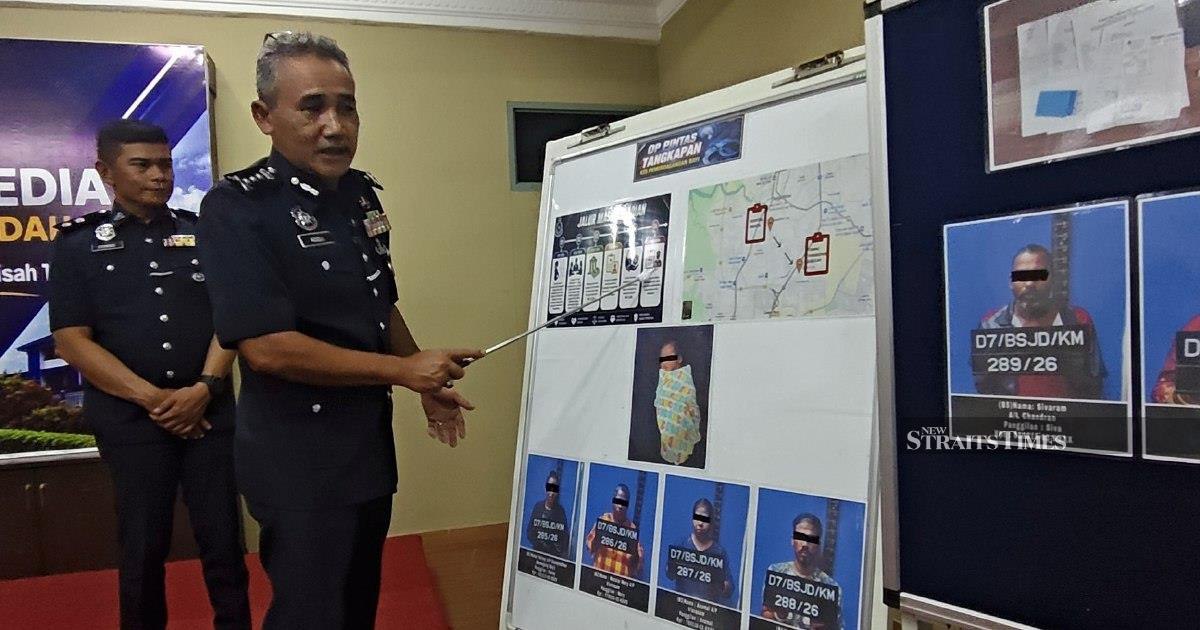
Authorities in Kedah have dismantled what police describe as a suspected baby trafficking ring, resulting in the arrest of six individuals in the Kuala Muda district near Kulim. Among those detained is a mother who had given birth merely five days before her apprehension, underscoring the extraordinary circumstances surrounding the case. The operation represents a significant enforcement action against what authorities suspect is an organised scheme involving the illegal transfer of newborns, a crime that carries grave implications for child welfare and family integrity across the state.
The timing of the mother's arrest—occurring in the immediate postpartum period—suggests investigators identified a potential transaction or arrangement during an unusually vulnerable moment in her recovery. This detail indicates the sophistication of the suspected trafficking operation, as perpetrators may have been targeting women in precarious circumstances, whether through financial desperation or coercion. The involvement of a newly postpartum woman raises concerns about how trafficking networks exploit maternal vulnerability and the psychological state of women in the perinatal period.
Baby trafficking investigations remain among Malaysia's most sensitive law enforcement matters, touching on questions of parental rights, adoption legality, and child protection. The Kuala Muda case highlights how such networks can operate within communities seemingly under the radar, involving multiple actors across the supply chain from recruitment to transaction. The six arrests suggest police have identified not just individual perpetrators but potentially a coordinated group with differentiated roles, whether recruiters, intermediaries, or recipients.
The Kuala Muda district, located in the northern Kedah landscape, has become the focal point of this investigation. This region, like many in Kedah, encompasses both urban and semi-rural communities where social services and monitoring mechanisms may be less robust than in larger metropolitan centres. Such vulnerabilities can inadvertently create conditions where illicit networks exploit gaps in oversight and community awareness.
For Malaysian readers and the broader Southeast Asian context, this case underscores the persistent threat of child trafficking in forms beyond traditional labour exploitation. While much public attention focuses on trafficking for factory work or domestic servitude, the trade in newborns represents a distinct criminal enterprise with unique challenges for law enforcement and social services. The suspected operation in Kuala Muda demonstrates that these crimes are not hypothetical threats but active criminal enterprises requiring sustained investigative attention.
The arrest of a postpartum woman raises complex questions about victimhood and culpability in trafficking situations. While individuals involved in facilitating the transfer of babies may face serious charges, some arrestees could themselves be victims coerced or misled into participation. Investigators and prosecutors must carefully distinguish between traffickers who profit from exploitation and vulnerable individuals drawn into complicity through desperation or manipulation. This nuance is essential for ensuring justice is properly calibrated.
Effective responses to baby trafficking require coordination across multiple agencies: police, medical professionals, social welfare departments, and civil society organisations. Hospitals and maternity clinics represent critical touchpoints where potential trafficking indicators might be identified. Healthcare workers trained to recognise signs of coercion, financial manipulation, or unusual arrangements surrounding births can serve as early-warning systems. The Kuala Muda investigation likely involved cooperation between local police and specialised units focused on trafficking and vulnerable persons.
The investigation also highlights the importance of public awareness regarding illegal adoption and baby sales schemes. Prospective parents facing infertility or family circumstances might encounter offers from trafficking networks promising legal pathways to parenthood that are in fact illicit. Educating communities about legitimate adoption procedures through recognised channels and the severe legal consequences of participating in trafficking is crucial for disrupting demand for illegally transferred children.
From a regional perspective, Southeast Asia remains a concern area for human trafficking in multiple forms. Countries across ASEAN face challenges in combating trafficking networks that often exploit porous borders and varying legal frameworks. Malaysia, as a middle-income nation with relatively robust law enforcement capacity, carries responsibility for disrupting networks that may operate across borders. The Kuala Muda case may reveal connections to trafficking operations elsewhere in Malaysia or neighbouring countries, requiring investigative cooperation.
The protection of babies and young children represents a fundamental national interest and international obligation. Malaysia's commitment to the United Nations Convention on the Rights of the Child obligates the nation to protect children from exploitation and trafficking. Cases like the one in Kuala Muda demonstrate that commitment requires not just reactive arrests but systematic prevention, victim support, and offender prosecution. The investigation's outcome will signal Malaysia's resolve in addressing this form of child exploitation.
Moving forward, this case should prompt reflection among policymakers about strengthening safeguards in maternity services and adoption frameworks. Implementing standardised protocols for verifying parental identity and intentions, enhancing monitoring of private adoption arrangements, and ensuring comprehensive background checks could prevent future trafficking. Investment in social safety nets that reduce economic desperation driving some parents toward illegal transactions is equally important for prevention.
The six arrests in Kuala Muda represent initial steps in what will likely be a complex investigation with multiple phases. Gathering evidence, establishing the scope of the suspected operation, identifying victims, and determining the full involvement of each arrestee will require substantial investigative work. The case underscores both law enforcement's capacity to detect trafficking operations and the ongoing threat such criminal enterprises pose to Malaysian families and children.

