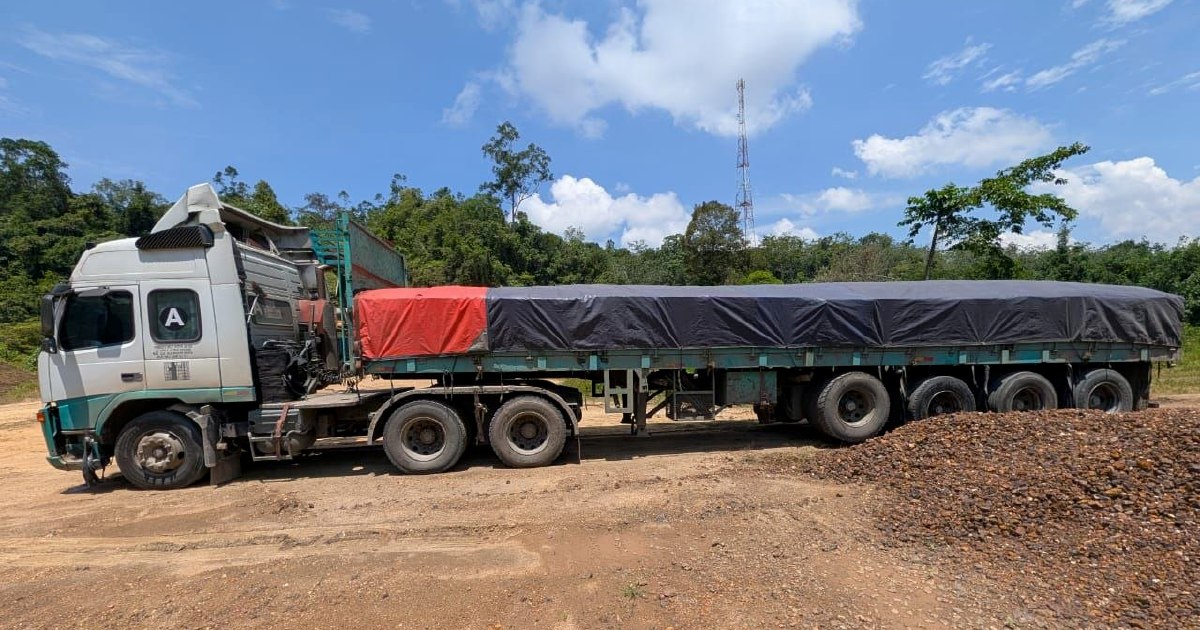
Kelantan state authorities have launched a major enforcement operation against illegal mining, apprehending six men following the discovery of unlicensed extraction activities at Kuala Nal in Kuala Krai. The coordinated raid resulted in the seizure of substantial assets including heavy machinery, transport vehicles and stockpiled iron ore, with the total estimated value of confiscated items reaching RM2.98 million.
The operation represents the latest effort by Malaysian authorities to combat the persistent problem of unregulated mining across the country. Illegal mining has long plagued resource-rich regions in Peninsular Malaysia and East Malaysia, with operators sidestepping environmental regulations and taxation requirements to maximise profits. The Kuala Krai discovery underscores how such activities continue to flourish in less-monitored areas, even as enforcement agencies increase vigilance.
The six detainees are currently assisting investigators in establishing the operational scope and duration of the illegal mining venture. Preliminary findings suggest the operation may have been running clandestinely for some months, extracting iron ore from unauthorised sites within the Kuala Nal locality. Authorities are examining records and equipment to determine whether the individuals were acting independently or as part of a larger organised syndicate.
Kelantan has emerged as a focal point for such illicit activities, partly owing to its abundant mineral deposits and challenging terrain that complicates monitoring efforts. The state's mining heritage makes it an attractive target for unlicensed operators seeking quick returns without adhering to licensing procedures established by the relevant state mining authorities and the Federal Government. Previous crackdowns have yielded similar discoveries, indicating the prevalence of the problem across multiple districts.
The seizure of RM2.98 million in assets represents a significant financial blow to those involved. Beyond the immediate loss, the confiscation serves as a deterrent to would-be violators who calculate the profit margins from illegal extraction. The equipment seized—including excavators, trucks and other heavy machinery essential for mining operations—would require substantial capital to replace, effectively disrupting any continuation of the enterprise.
Environmental concerns constitute another critical dimension of this enforcement action. Illegal mining frequently operates without proper site restoration protocols, environmental impact assessments or mineral extraction licences that typically mandate remediation efforts. Unregulated extraction can degrade soil quality, contaminate water sources and destroy vegetative cover, leaving lasting ecological scars that require expensive rehabilitation. The Kuala Nal operation's environmental footprint will likely form part of the investigation and subsequent legal proceedings.
The incident highlights the ongoing tension between economic incentive and regulatory compliance in resource-rich communities. While illegal mining offers immediate employment and income to local participants, it deprives the state and federal governments of legitimate revenue through licensing fees and taxes. Over time, systematic illegal extraction undermines the sustainability of mining sectors and erodes the resource base that legitimate operators depend upon.
Investigators will examine financial records to trace money flows and identify potential beneficiaries higher in the supply chain. Such operations typically involve multiple stakeholders—extractors, transporters, middlemen and end-buyers. Understanding these linkages is crucial for dismantling networks rather than simply apprehending individual workers who face the greatest enforcement risk.
The timing of this operation may reflect increased coordination between Kelantan's state authorities and federal enforcement bodies. The Ministry of Natural Resources, the Department of Minerals and Geoscience, and various state-level agencies periodically intensify patrols in known mining regions following intelligence gathering or complaints from legitimate operators or community members. Multi-agency task forces have proven more effective than isolated enforcement efforts in disrupting entrenched illegal operations.
For Malaysian readers and regional observers, this action signals that authorities remain committed to tackling the illegal mining sector despite the profit incentives that attract perpetrators. However, enforcement gaps remain evident—the operation apparently ran long enough to accumulate RM2.98 million in assets, suggesting periodic rather than continuous monitoring. Strengthening detection capabilities through technology, community reporting mechanisms and cross-border cooperation with Thailand and other neighbours could enhance effectiveness, as minerals extracted illegally sometimes transit through neighbouring countries.
The case may also influence pending mining policy discussions at both state and federal levels. Policymakers are increasingly considering whether licensing procedures require streamlining to reduce pressure toward informal extraction, or whether penalties require enhancement to increase deterrence. The balance between encouraging legitimate mining investment and eliminating unauthorised activity remains a priority for resource management in Kelantan and similar mining regions across Malaysia.

