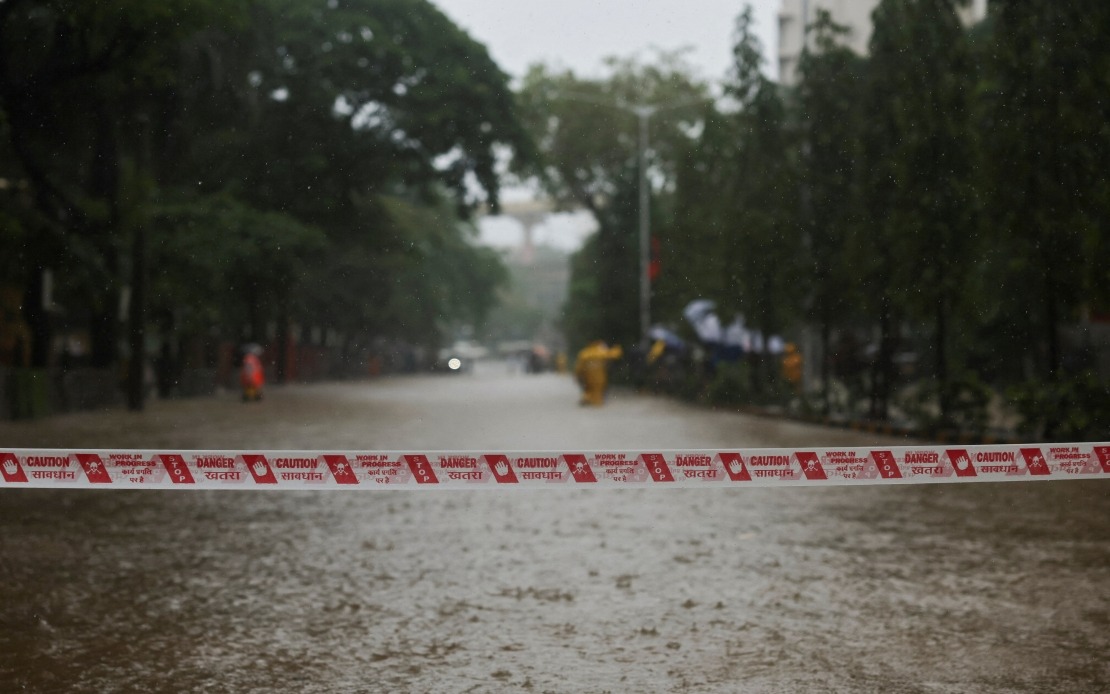
A devastating structural failure in India's commercial hub Mumbai claimed six lives on Sunday when torrential monsoon rains triggered the collapse of a multi-story residential building, leaving authorities scrambling to investigate how the structure was approved and constructed. The incident in Mankhurd, a densely populated neighbourhood on the eastern fringe of the city, underscores the vulnerability of urban areas across South Asia to extreme weather events and raises serious questions about building safety standards during the region's most intense rainfall season.
According to Maharashtra's senior BJP leader and State Minister Girish Mahajan, who addressed journalists following the emergency response, the disaster claimed six fatalities while one additional person sustained injuries. Officials at the scene worked through the night to complete rescue operations and recover bodies from the rubble, a grim routine that has become disturbingly familiar in Indian cities where rapid, unregulated urban expansion has created thousands of structurally precarious buildings.
The collapse occurred amid an intense spell of monsoon weather that affected the broader Mumbai metropolitan region. The same weather system caused sufficient disruption at Chhatrapati Shivaji Maharaj International Airport to force authorities to suspend flight operations temporarily on Sunday. Such operational interruptions, though typically brief, highlight how the seasonal weather patterns can cascade through multiple sectors of the economy and daily life, affecting commerce, transport, and public services across the financial capital.
In an immediate response prioritising student safety, local education authorities declared a holiday across the affected districts, allowing schools and colleges to suspend operations. This precautionary measure reflects the broader risks posed by intense rainfall to urban populations in low-lying and vulnerable areas, where drainage infrastructure frequently proves inadequate during peak monsoon conditions. For Malaysian readers familiar with similar monsoon-driven disruptions in Southeast Asia, such administrative responses are increasingly common as climate variability intensifies across the region.
State Minister Mahajan's commitment to investigate how the building was constructed signals potential accountability measures, though critics of India's urban governance note that such inquiries often proceed slowly and frequently result in minimal consequences for developers or officials responsible for approving substandard structures. The investigation will likely examine compliance with building codes, quality of materials used, and whether proper permissions were obtained before construction commenced. These investigations typically reveal patterns of corner-cutting, bribery, or simple negligence that characterise much of India's informal construction sector.
The incident represents a continuation of an alarming trend in Mumbai, where densely packed residential areas house millions in buildings of varying structural integrity. Many structures predate modern building codes, while others were constructed in violation of existing regulations due to insufficient enforcement. Property speculation and the pressure to maximise density in a city facing severe housing shortages have combined to create neighbourhoods where disaster risk compounds with each passing monsoon season.
Monsoon rains dominate India's climate calendar from June through September, delivering the bulk of the subcontinent's annual precipitation in a concentrated period. While these rains are essential for agriculture and water security, they also trigger seasonal disasters including floods, landslides, and building collapses. Mankhurd, situated in a low-lying area vulnerable to both waterlogging and structural failures, has experienced previous incidents during monsoon months, making Sunday's collapse part of a predictable pattern rather than an isolated accident.
The structural failure reflects broader challenges facing South Asian cities as they accommodate rapid population growth without corresponding investment in resilient infrastructure or rigorous building safety oversight. Unlike developed nations where building codes are enforced through stringent inspections and penalties, many Indian cities struggle with insufficient regulatory capacity, corrupt officials, and political pressure to prioritise residential development over safety. This governance gap has transformed natural weather phenomena into human tragedies that could be substantially mitigated through better construction standards and enforcement.
For countries across Southeast Asia, including Malaysia, the Mumbai incident serves as a cautionary illustration of what occurs when rapid urbanisation outpaces regulatory capacity. While Malaysia has generally maintained stronger building codes and enforcement mechanisms than India, the pressure for affordable housing, combined with informal construction practices in some areas, creates comparable risks. The incident underscores the importance of sustained investment in building inspection regimes, training of construction professionals, and prosecution of those who cut corners on structural safety.
The investigation into the Mankhurd collapse will likely consume weeks or months, producing a detailed report that confirms what residents of vulnerable neighbourhoods already know: their homes exist on precarious foundations, subject to the mercy of monsoon weather and the competence of builders who prioritised profit margins over structural integrity. Until India's cities implement comprehensive systems for monitoring existing building stock, enforcing codes for new construction, and holding developers accountable for failures, monsoon season will continue bringing not just rain but preventable loss of life to vulnerable urban communities.

