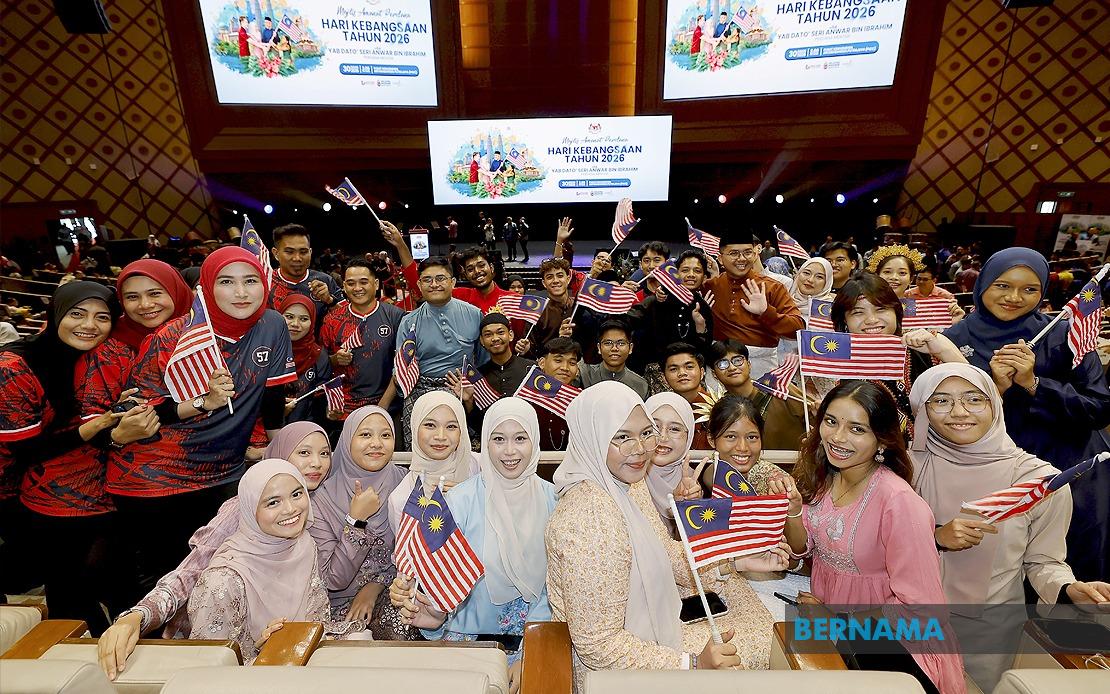
Prime Minister Datuk Seri Anwar Ibrahim has rolled out six significant policy measures designed to provide broad-based support across multiple segments of Malaysian society, with particular emphasis on the middle-income M40 group, young professionals, and small-scale entrepreneurs. The announcement, delivered during the National Day Prime Minister's Address at the Putrajaya International Convention Centre, reflects the government's commitment to addressing the financial pressures facing ordinary Malaysians across different income levels and demographics.
Among the centrepiece announcements is the restoration of fuel subsidy benefits through the Budi MADANI RON95 programme, which sees the monthly allocation increased from 200 litres back to 300 litres per month. This measure directly addresses the transportation costs faced by working Malaysians who rely on personal vehicles for daily commutes and business operations. The adjustment represents a meaningful relief for middle-income earners and those in essential professions requiring regular long-distance travel, as it reduces the proportion of monthly income dedicated to fuel expenses.
The government has simultaneously announced an expansion of the diesel subsidy quota, raising the Budi Diesel allocation from 300 litres to 400 litres monthly. This parallel increase benefits commercial operators, delivery drivers, and agriculture-dependent sectors where diesel consumption remains essential for business viability. Together, these fuel adjustments signal recognition that transportation remains a fundamental cost burden for lower and middle-income Malaysians, particularly in regions where public transport infrastructure remains underdeveloped.
In a significant pivot towards future-focused investment, the government is providing free three-month subscriptions to three artificial intelligence applications for 100,000 youths aged 18 to 30 who complete modules under the AI for the People programme. This initiative addresses a critical gap in digital skills training, recognising that artificial intelligence competency is rapidly becoming essential for employment prospects in Malaysia's increasingly technology-dependent economy. Young professionals view this measure positively, understanding that early exposure to AI tools can enhance their productivity and career positioning in a competitive job market.
Education receives substantial attention through a 50 per cent increase in school maintenance allocations for 2027, bringing the total funding to RM1.5 billion. This expansion addresses longstanding concerns about infrastructure deterioration in educational institutions across the country, particularly in rural and underserved areas. Improved school facilities directly impact learning outcomes and student welfare, making this investment a long-term productivity measure alongside immediate social benefit.
Small business operators and home-based entrepreneurs form another key beneficiary group through the introduction of the RM200 million Geran Sejahtera MADANI grant programme. This targeted support addresses the unique challenges faced by hawkers, night market traders, and mothers running household-based businesses, who often operate outside formal credit channels. The grant removes administrative barriers that traditional financing arrangements might impose on these operators, enabling them to invest in equipment, inventory, and expansion.
Microfinance capacity receives a substantial boost through a RM1 billion increase in facilities, bringing total microfinance funding for 2026 to RM6 billion. This expansion is particularly significant for small and medium enterprises that operate below conventional bank lending thresholds. Greater microfinance availability reduces reliance on informal lending networks and creates pathways for business formalisation, ultimately strengthening the broader economy through increased productivity and employment creation.
The government has also adjusted the e-Invoice exemption threshold, raising it from RM1 million to RM3 million in annual turnover. This measure provides regulatory relief for small businesses navigating digital taxation requirements, reducing compliance costs and administrative burden for operators managing modest revenue streams. By widening exemption thresholds, the policy recognises that excessive regulatory complexity can disproportionately burden small operators relative to larger enterprises.
Taken collectively, these six measures demonstrate a deliberate effort to address distinct needs across Malaysian society simultaneously. The fuel subsidy adjustments provide immediate relief to working-class vehicle users and small business operators dependent on transportation. The AI training initiative invests in youth employability for the knowledge economy. Education funding strengthens human capital development. Microfinance and business grants support entrepreneurship and job creation at grassroots level. The regulatory adjustment balances business competitiveness with tax administration requirements.
For Malaysian workers and entrepreneurs observing these announcements, the measures signal government responsiveness to lived economic pressures. Rising fuel costs have emerged as a recurring concern in public discourse, and the restoration of previous subsidy levels acknowledges this grievance. Similarly, young people facing uncertain employment prospects view AI skills training as practical preparation for career advancement. Small business owners operating in informal or semi-formal sectors benefit from both direct financial support and reduced regulatory friction.
The timing of these announcements during the National Day address carries symbolic weight, positioning economic support measures within a broader national development narrative. By linking individual welfare improvements to collective national progress, the government frames assistance not as temporary relief but as structured investment in Malaysian society's productive capacity. This framing is particularly relevant for middle-income workers who may perceive themselves as overlooked by policies targeting either extreme poverty or corporate development.
Looking forward, the success of these initiatives will depend heavily on implementation efficiency and actual fund disbursement rates. The microfinance expansion and small business grants require functional delivery mechanisms to translate budget allocations into genuine business support. The AI training programme requires quality content and genuine employment pathway connections rather than symbolic credential provision. School maintenance funding depends on transparent allocation processes that prioritise genuine infrastructure deficiencies over political considerations.

