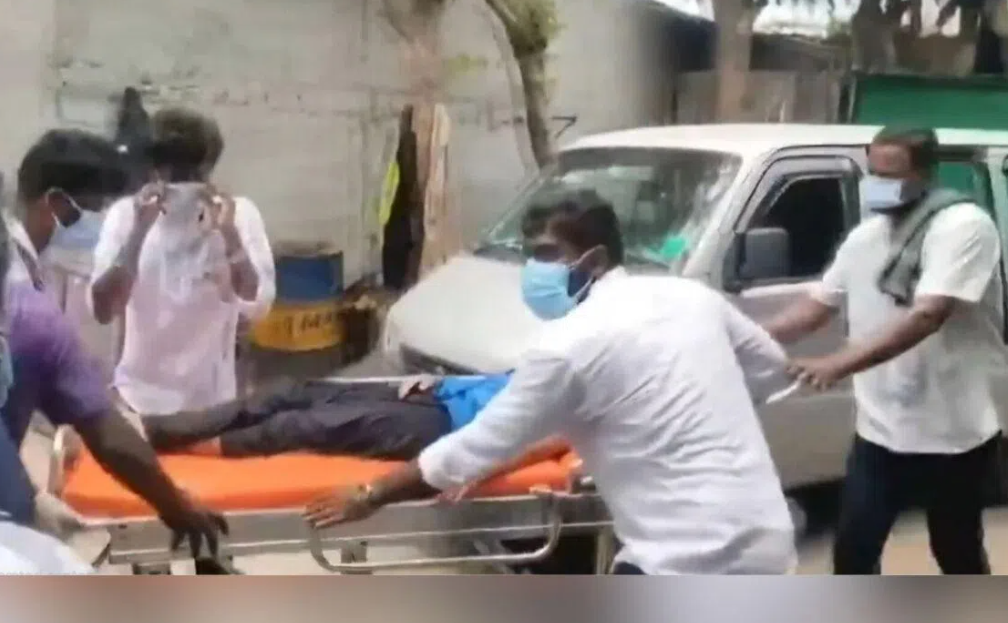
A deadly ammonia gas leak at a seafood processing facility near Periyapalayam village in Tamil Nadu's Thiruvallur district on Sunday claimed the lives of at least six workers and sent dozens more to hospital, triggering an emergency response and a high-level inquiry into industrial safety failures. The disaster unfolded at the export-oriented processing unit where approximately 120 migrant workers, predominantly women drawn from states including Assam, Odisha and Jharkhand, were present when the suspected leak occurred and rapidly contaminated sections of the facility.
Initial investigations suggest the ammonia escaped from the plant's refrigeration or processing infrastructure, spreading swiftly through the workplace and exposing workers to hazardous concentrations of the toxic gas. The severity of exposure became apparent as affected personnel experienced acute respiratory distress, giddiness and chemical burns to mucous membranes. Medical personnel reported that some workers exhibited bleeding from nasal and oral passages, a symptom indicative of the corrosive nature of their inhalation injuries and the intensity of their exposure to the fumes.
The scene descended into chaos as workers, realising the danger, scrambled toward exits seeking fresh air and safety. Many collapsed during their escape attempts, overwhelmed by the gas before they could reach adequate ventilation. First responders, including local police and emergency medical teams, mobilised rapidly to the location and commenced evacuation procedures, transporting the injured to facilities equipped to handle chemical exposure cases. Hospital officials indicated that several of the hospitalised workers remained in serious condition, requiring intensive medical observation and respiratory support.
Tamil Nadu Chief Minister C. Joseph Vijay issued immediate directives following notification of the tragedy, instructing state health and safety officials to ensure comprehensive medical intervention for all affected workers without delay. Acknowledging the gravity of the incident and its implications for worker protections across the state's industrial sector, Vijay initiated a formal investigation by constituting a three-member inquiry committee tasked with determining root causes and identifying systemic lapses.
The chief minister's office mandated that the committee conduct a thorough on-site inspection of the facility and submit detailed findings within 24 hours, establishing an unusually rapid timeline that signals the political urgency with which state leadership is treating the matter. The inquiry is expected to scrutinise the comprehensiveness of safety protocols governing ammonia storage and handling, the adequacy and frequency of maintenance regimens, and whether documented procedures were properly implemented at the time of the leak.
Law enforcement officials registered a formal case following the incident, initiating a parallel criminal investigation into potential negligence or violation of occupational health statutes. Preliminary assessments are examining whether the facility maintained current certifications for handling hazardous chemicals, whether workers received adequate safety training for emergency scenarios, and whether adequate personal protective equipment and emergency response systems were in place and functional.
The disaster highlights persistent vulnerabilities in India's seafood export sector, where labour-intensive processing facilities often operate in conditions of minimal regulatory oversight and limited worker protections. Migrant labourers, particularly women from economically disadvantaged regions, frequently work in environments where safety measures take secondary priority to production deadlines and profit margins. The concentration of workers from multiple states at this location underscores the mobile nature of India's seasonal industrial workforce and the particular vulnerability of workers far from established social support networks.
For Malaysia and the region, this incident carries implications for supply chain accountability and corporate responsibility. Malaysian importers and distributors of Indian seafood products should examine whether their suppliers maintain adequate safety standards and whether contractual arrangements include provisions for independent safety audits. The incident may prompt regional food safety authorities to intensify scrutiny of seafood imports from processing facilities with weak safety records.
The ammonia gas leak also raises questions about cross-border worker protection and whether bilateral agreements between Indian states and Southeast Asian nations adequately address the welfare of migrant workers employed in hazardous industries. Given that Malaysia hosts significant numbers of Indian migrant workers in similar labour-intensive sectors, the Tamil Nadu tragedy serves as a cautionary reminder that migrant protection frameworks must extend to conditions in workers' countries of origin and not merely focus on employment conditions within Malaysia itself.

