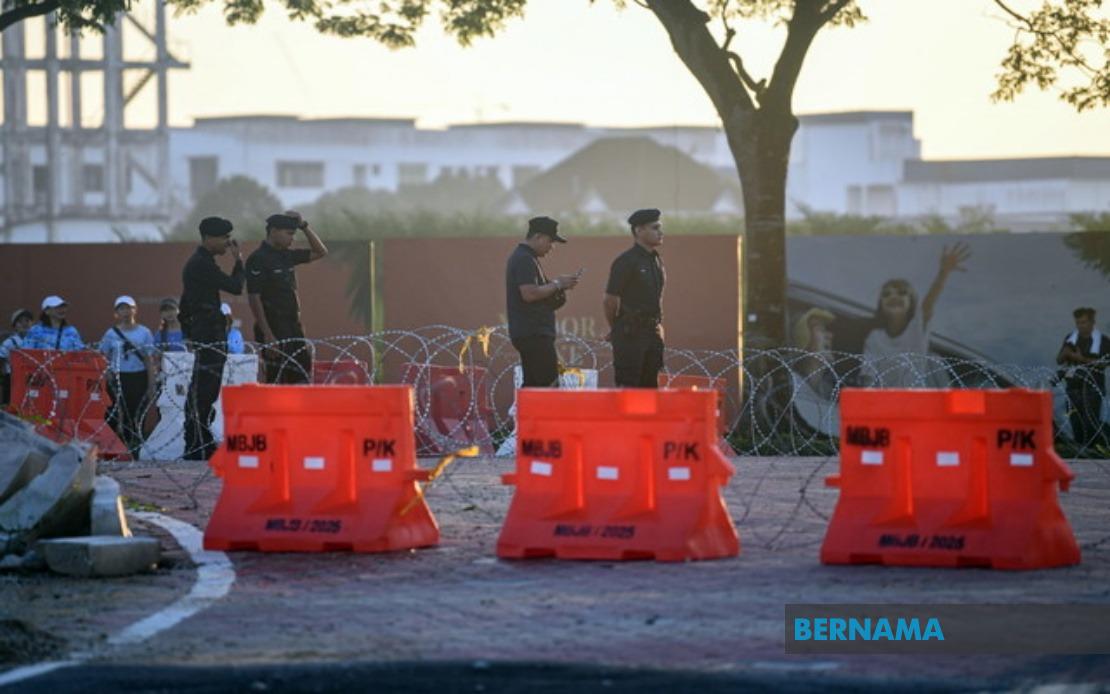
Johor's 16th state election moved into its crucial nomination phase on June 27 as the Election Commission oversaw the receipt of nomination papers at 56 polling centres spanning the entire state. Benign weather conditions throughout the morning provided an ideal backdrop for the orderly administration of the process, which ran from 9am to 10am at each location. The Election Commission had positioned staff at all venues to handle the influx of nomination documents, with security personnel ensuring that centres remained secure and well-organised as political activity intensified across the southern state.
The atmosphere at many nomination centres reflected the high stakes of the contest. Party supporters began arriving before dawn at several locations, with some gathering from as early as 7.30am to demonstrate backing for their respective candidates. The visible enthusiasm underscored the competitive nature of the Johor poll, which carries significant weight within Malaysia's broader political landscape given the state's size and economic importance. The orderly conduct observed during nominations suggested that election officials had made comprehensive preparations to accommodate the anticipated volume of candidate registrations.
Weather forecasts from the Malaysian Meteorological Department indicated that most of Johor would experience dry conditions during the crucial morning hours when nominations were being processed. However, the department warned that afternoon thunderstorms were expected in several districts, potentially affecting evening gatherings or campaign activities. Such weather patterns are typical for the state during this period, and election planners had likely factored seasonal considerations into their scheduling decisions.
The Johor State Legislative Assembly comprises 56 seats, making it a substantial electoral contest within Malaysia's federal structure. The state assembly had been dissolved on June 1, setting in motion the formal electoral calendar. The Election Commission designated July 7 for early voting, allowing military personnel, police officers, and other eligible groups to cast their ballots before the main polling day. The decision to hold the election during mid-July positioned the Johor contest within the monsoon season, though timing considerations had clearly been weighed against other administrative and political factors.
The electoral register for Johor encompasses nearly 2.73 million voters, a figure that highlights the demographic scale of the state and the logistical complexity facing election administrators. The registered electorate breaks down into three categories: 2,703,175 ordinary civilian voters, 12,041 military personnel and their spouses, and 12,710 police personnel and their spouses. This composition reflects Johor's status as a state with significant military and security infrastructure, given its proximity to Singapore and its role in Malaysia's national defence posture. The separate arrangements for early voting for uniformed personnel acknowledge both their unique operational commitments and their equal stake in the democratic process.
For Malaysian observers and political analysts, Johor's state election carries implications that extend well beyond the southern state itself. As one of Malaysia's most populous and economically dynamic states, electoral outcomes in Johor have historically influenced broader national political calculations. The state's voting patterns often signal regional sentiment and can reshape coalition dynamics at federal level. This nomination day therefore represented not merely a local administrative event but a milestone in a contest likely to command significant attention from political parties, media, and observers across Southeast Asia.
The Election Commission's management of nomination procedures across such a dispersed network of centres demonstrates the institutional capacity required to administer elections in Malaysian states. Coordinating the receipt and verification of nomination papers, ensuring compliance with electoral regulations, and maintaining security across 56 simultaneous locations requires meticulous planning and trained personnel. The apparent success of the June 27 nominations suggested that the commission had allocated resources effectively and that preliminary preparations had been thorough.
Party operatives and candidates would have utilised the nomination period to finalise their campaign strategies, having now formally committed themselves to contesting specific seats. The receipt of nomination papers by the Election Commission transforms candidates from prospective challengers into official participants in the electoral process, triggering various regulations around campaign spending, advertising, and conduct. For many parties, the nomination day represents the transition from internal selection processes to the public phase of campaigning.
With early voting scheduled for July 7 and election day set for July 11, the Johor electoral calendar now enters its critical campaigning phase. The fifteen-day window between nominations and polling day will determine how effectively parties mobilise their supporters, communicate their policy platforms, and respond to electoral developments. The orderly conduct observed during nominations sets a procedural baseline that election officials will seek to maintain throughout subsequent phases of the election cycle.

