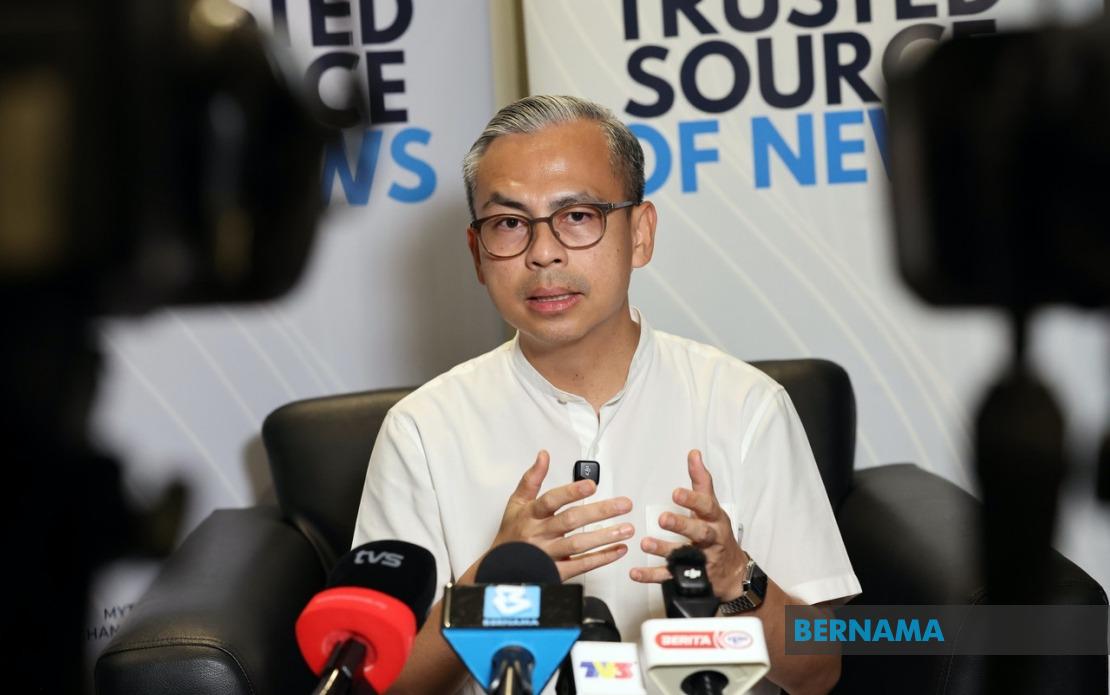
Social media platform operators bear a responsibility to actively prevent the circulation of false information during the 16th Johor state election, according to Communications Minister Datuk Fahmi Fadzil, who expressed particular concern about potential disinformation on polling day. Speaking after a visit to the Malaysian National News Agency's election operations centre in Johor Bahru on July 7, Fahmi highlighted that while major platforms maintain policies against false content, their enforcement mechanisms require significant strengthening, especially during the critical period when election results are being reported.
The minister's warning points to a recurring vulnerability in Malaysia's electoral ecosystem. Although social media companies have established community standards that theoretically prohibit election-related disinformation, the gap between policy and practice remains substantial. Fahmi indicated that the most pressing concern involves false claims about election outcomes being spread during the counting process, potentially creating widespread confusion among voters and observers attempting to follow results in real time. This worry reflects genuine risks that have materialized in previous elections across Southeast Asia, where coordinated misinformation campaigns have effectively disrupted public confidence in electoral integrity.
Fahmi emphasized that platform providers must deepen their partnership with the Malaysian Communications and Multimedia Commission (MCMC) to address the multifaceted nature of electoral misinformation. Previously, the MCMC and Malaysian Media Council had signalled their readiness to assist in tackling false narratives, particularly instances where official media logos are misappropriated to create fraudulent graphics designed to appear authoritative. Such counterfeit materials are particularly dangerous because they exploit inherent public trust in established news sources, making viewers less likely to question their authenticity.
However, Fahmi drew an important distinction between professionally-produced fake content and the sprawling universe of user-generated misinformation circulating across social platforms. While regulatory bodies can relatively easily identify and action sophisticated forgeries using stolen logos, the second category of false information—ranging from unverified graphics to written posts containing electoral claims—represents a far more complex challenge. This decentralized form of disinformation often originates from individual users without coordinated intent, yet collectively these posts can significantly influence voter perceptions and behaviour, particularly among populations with limited media literacy.
The minister noted that as of his statement, the MCMC had not yet received formal complaints alleging social media-based campaign misconduct, though this absence of complaints may partly reflect limited awareness among the public about where and how to file such reports. The lack of reported violations does not necessarily indicate clean conduct online, but rather suggests that many instances of electoral misinformation either escape detection or are not formally escalated through official channels. This gap between actual and reported violations underscores why platform companies must become more proactive rather than waiting for complaints to trigger investigation.
Beyond misinformation management, Fahmi outlined the governing coalition's election strategy for the final week of campaigning. The Pakatan Harapan campaign is prioritizing efforts to mobilize outstation voters—Johoreans working or studying elsewhere in Malaysia—to return home and cast their ballots. The government views increased voter turnout as advantageous, having set an aspirational target of exceeding 60 percent participation. This approach reflects understanding that demographic groups such as young professionals and students traditionally show lower turnout rates, and their engagement could materially affect outcomes in closely contested constituencies.
The minister highlighted positive developments in voter mobilization infrastructure, noting that several bus companies have introduced special travel packages designed to reduce the financial and logistical barriers that might otherwise discourage outstation voters from returning. Additionally, the government has worked to secure leave for trainees attending the Youth and Sports Skills Training Institute (ILKBS), recognizing that young citizens' inability to access polling stations due to work or training commitments represents a preventable obstacle to democratic participation. These efforts acknowledge that turnout is not simply a matter of civic duty but involves practical constraints that government policy can meaningfully influence.
Fahmi also appealed to employers, particularly those operating in labour-intensive retail and food and beverage sectors, to grant employees sufficient flexibility on Saturday to vote without jeopardizing their employment or income. This plea speaks to a real tension in Malaysian electoral dynamics, where workers in these industries often face scheduling pressures that make voting difficult. By publicly highlighting employer responsibility, the minister attempted to generate social pressure for voluntary accommodation of voting needs, a strategy more feasible than attempting to mandate voting time in circumstances where such legislation faces practical enforcement challenges.
The minister's broader message to families emphasizes that voter turnout decisions have generational implications extending far beyond the immediate election. He encouraged parents to persuade adult children living outside Johor to make the effort to return and vote, framing participation not merely as a technical civic responsibility but as an opportunity for Johoreans to actively shape the state's trajectory over the ensuing four to five years. This framing attempts to elevate voting from obligation to empowerment, potentially resonating with younger voters who may otherwise view electoral participation as peripheral to their lives.
Fahmi's intervention highlights the evolving relationship between government communications strategy and social media governance in Malaysia. Rather than attempting to impose top-down control over online discourse, the minister sought to encourage platform operators to adopt more rigorous self-regulatory practices through voluntary cooperation with MCMC. This approach represents a middle path between light-touch regulation and comprehensive content moderation, though its effectiveness ultimately depends on whether platforms view electoral integrity as sufficiently aligned with their corporate interests to justify enhanced resource allocation.
The challenge of combating electoral misinformation remains particularly acute in the final days before polling, when viral spread accelerates and fact-checking resources become overwhelmed. For Malaysian readers and regional observers, Fahmi's warning underscores how social media companies' response capacities will significantly influence not just this Johor election, but the credibility of electoral processes more broadly across Southeast Asia. The coming days will demonstrate whether voluntary cooperation proves adequate or whether stronger regulatory frameworks become necessary.

