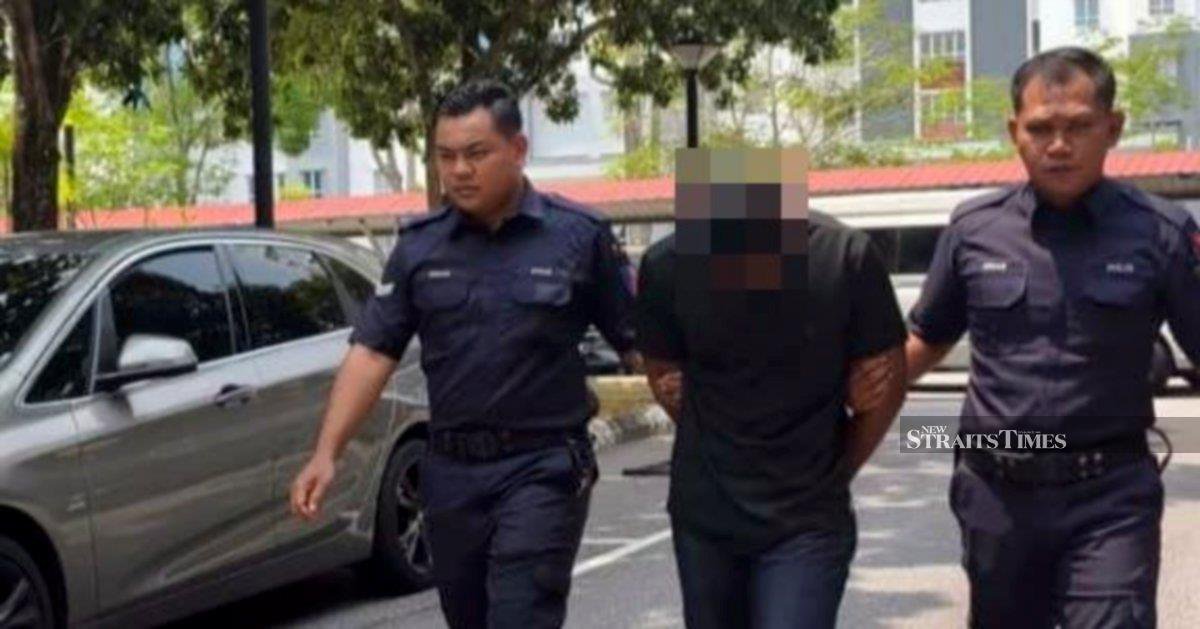
A member of the Malaysian armed forces faces a three-day remand order following an unintended firearm discharge that left a colleague wounded at a military shooting facility near Hutan Menyala in Port Dickson yesterday. The incident, which occurred during what officials describe as a routine training operation, has triggered an investigation into the circumstances surrounding the accidental injury.
The soldier, whose identity has not been publicly disclosed, was brought before a magistrate in Seremban where the remand order was granted. The decision to detain him reflects standard operating procedure in Malaysia when firearms-related incidents result in injury, allowing investigators sufficient time to gather evidence and interview witnesses on the range at the time of the shooting.
Port Dickson, a coastal town in Selangor, hosts several military facilities that serve as training grounds for armed forces personnel across the peninsula. The Hutan Menyala area, which encompasses dense woodland terrain adjacent to shooting ranges, is a regular venue for weapons qualification and tactical training exercises. Such facilities maintain strict safety protocols, though accidental discharges occasionally occur despite precautions.
The injured colleague's condition and the specific severity of the wound have not been disclosed by authorities. However, the decision to remand the soldier for a full three days suggests the injury warranted serious investigation rather than immediate release. The victim's identity and military affiliation remain undisclosed pending family notification and recovery arrangements.
Firearms accidents involving military personnel carry particular significance in Malaysia's law enforcement and defence establishment, where occupational safety and disciplinary standards are governed by both civilian courts and military justice systems. The incident will likely prompt a comprehensive review of safety procedures at the facility, examining factors such as proper weapon handling protocols, range supervision, and whether all standard safety briefings and clearance procedures had been followed prior to the incident.
The three-day remand period allows investigators to establish the precise sequence of events leading to the discharge. Authorities will examine whether any procedural violations occurred, whether proper ammunition safety checks had been conducted, and whether the soldier's handling of the firearm adhered to established military protocols. Witness statements from others present during the training exercise will prove crucial to determining culpability and whether charges should be filed.
From a broader security perspective, accidental firearms incidents within the armed forces reflect broader occupational hazards that military organisations globally continue to address. While modern militaries implement extensive safety training and strict protocols, the inherent risks associated with weapon handling mean that occasional accidents remain an occupational reality. Malaysia's approach, involving both investigative thoroughness and military disciplinary oversight, aims to balance accountability with recognition that true accidents differ materially from negligent or reckless conduct.
The Port Dickson facility incident also underscores the ongoing tension within military training environments between the need for realistic, hands-on weapons proficiency development and the imperative to minimise safety risks. Range commanders and training supervisors operate under standing orders to enforce safety, yet the nature of firearms training inherently involves an element of risk despite all precautions. This case will likely serve as a reference point for reviewing safety refresher protocols across military training establishments.
Local residents and business operators in Port Dickson are accustomed to military activities in the area, though actual incident reports remain relatively uncommon. The incident may prompt temporary restrictions or modified access procedures at the facility during the investigation period. Military authorities will coordinate with civilian police regarding the investigation's progress, as incidents involving injury typically require liaison between defence and law enforcement.
The remanded soldier's legal status will be reviewed at the conclusion of the three-day period, at which point authorities will determine whether formal charges should be filed or if additional investigation time is warranted. The outcomes will depend on findings regarding whether the discharge resulted from genuine accident, operator error of a non-negligent character, or whether disciplinary violations occurred that might warrant military court-martial or civilian prosecution under applicable firearms legislation.

