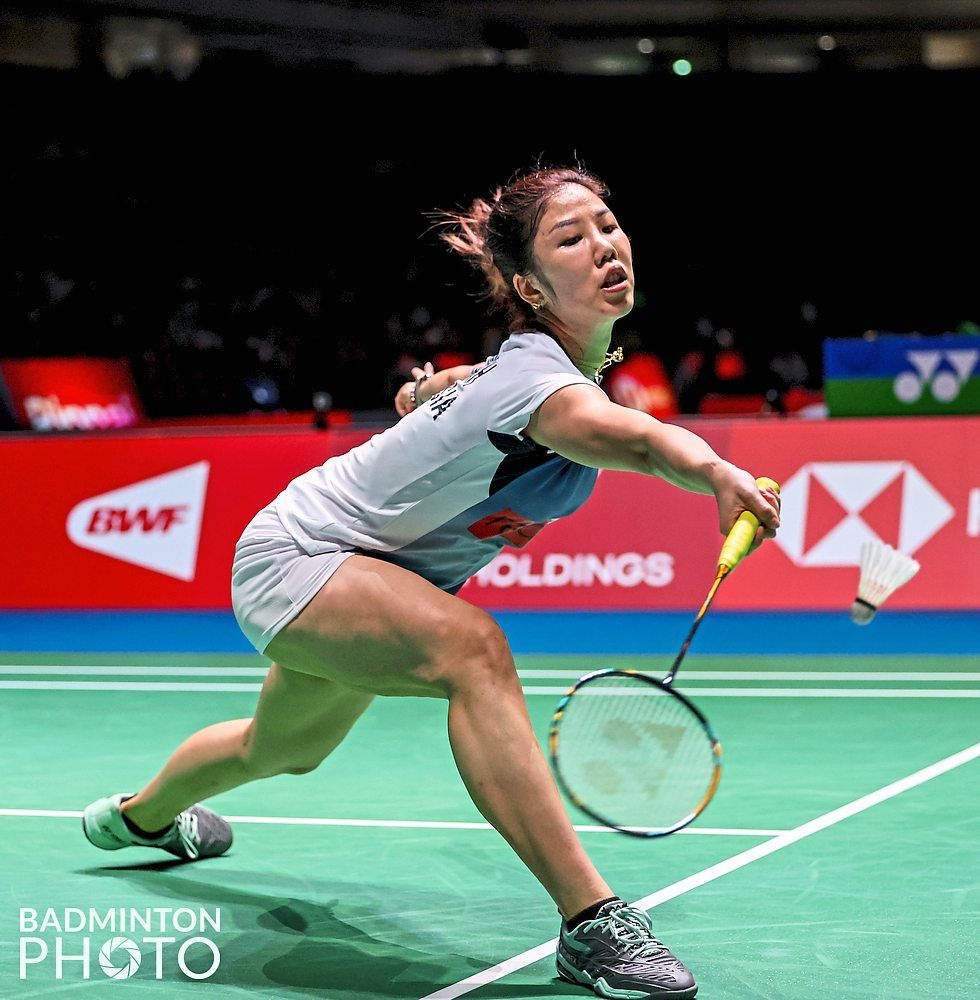
Former national women's singles shuttler Soniia Cheah has ended her tenure as sports director of the Kuala Lumpur Badminton Association after a tenure lasting just four months, stepping down effective from Wednesday. The 33-year-old, who was appointed to the role in February on a one-year contract, has cited concerns over matters within the organisation that conflicted with her personal principles, though she declined to specify the exact nature of these disagreements.
While Cheah refrained from detailing the precise circumstances that prompted her exit, she emphasised that the resignation was not a hastily made decision. Rather, it represented a carefully weighed choice that reflected her unwillingness to remain in a position where she would be required to compromise on her core values regarding badminton administration. The decision underscores broader tensions that can emerge when accomplished athletes transition into management roles within their sport's governing structures.
In a statement to the press, Cheah articulated her rationale with measured language. She explained that her departure as sports director followed extensive deliberation and resulted from her observation that certain matters within the association deviated from what she considered to be appropriate principles. As someone who has invested her career in badminton and maintains passionate commitment to the sport's development, she found the prospect of continuing in her administrative capacity while holding reservations about organisational direction to be untenable.
Cheah was careful to frame her resignation as a reflection of her personal stance on institutional issues rather than an indictment of any individual within the KLBA. She expressed hope that her departure might catalyse introspection within the association, prompting leadership to examine and rectify the concerns she identified. She emphasised that her primary motivation was ensuring that the association's focus remained centred on advancing the interests and development of younger players coming through its ranks.
Despite her abbreviated time in the position, Cheah acknowledged her appreciation for the athletes she had the opportunity to work with during her tenure. Her final official assignment in the role involved the Kuala Lumpur badminton contingent at the Affin 100Plus Junior Elite Tour Finals, which took place at Stadium Juara in Bukit Kiara the previous week. This event provided a platform for emerging talent within the association and represented the culmination of her hands-on involvement with the organisation's competitive programming.
Cheah's appointment to the KLBA role in February had represented a significant development, bringing an accomplished former player into an administrative capacity within one of Malaysia's major badminton hubs. Her credentials in the sport are substantial: she ascended to the position of Malaysia's top-ranked women's singles shuttler during her playing career and earned selection to represent the nation at the Tokyo Olympics. Her experience at the elite international level was expected to provide valuable perspective to the association's development of young players and strategic direction.
The early termination of Cheah's contract highlights the challenges that governing bodies sometimes face in retaining experienced personnel, particularly when philosophical differences or organisational practices come into conflict with the values that accomplished athletes have developed throughout their careers. Her background as a high-level competitor may have heightened her sensitivity to standards of governance and athlete welfare that differ from those she believes should prevail within badminton administration.
Cheah's retirement from competitive play in 2022 came after a prolonged struggle with injury, specifically a chronic Achilles tendon condition that ultimately proved incompatible with continued professional participation. Her subsequent pivot toward an administrative role within badminton represented a natural trajectory for an athlete seeking to remain engaged with the sport while transitioning away from competition. The abbreviated duration of this engagement raises questions about what specific operational or governance matters prompted such a decisive exit.
The circumstances surrounding her departure may prompt reflection within Malaysian badminton circles regarding the structures and decision-making processes that govern associations like the KLBA. When individuals of Cheah's standing and integrity identify sufficient concerns to warrant resignation despite having accepted a full-year appointment only months earlier, it suggests substantive issues worthy of examination. Her articulation of principle-based disagreement, rather than personal conflict, frames these concerns as systemic rather than idiosyncratic.
The KLBA will now need to identify a replacement for the sports director position and address the underlying matters that prompted Cheah's departure if the association hopes to attract and retain qualified leadership going forward. The loss of someone with her experience and credentials represents a setback for an organisation that serves as a crucial development pathway for badminton talent in the Kuala Lumpur region, which remains central to Malaysia's broader badminton ecosystem. How the association responds to her concerns and to the leadership vacuum her departure creates may influence the trajectory of badminton development in the capital and surrounding areas.
Cheah's decision to resign rather than maintain a compromise position demonstrates a commitment to integrity that characterised her approach to competitive sport. Her willingness to walk away from a contracted role rather than remain silent on matters of principle suggests that whatever concerns she identified within the KLBA, she regarded them as sufficiently serious to warrant such decisive action. As the badminton community processes her departure, attention will likely focus on what specific governance or operational issues she believed required greater attention and accountability.

