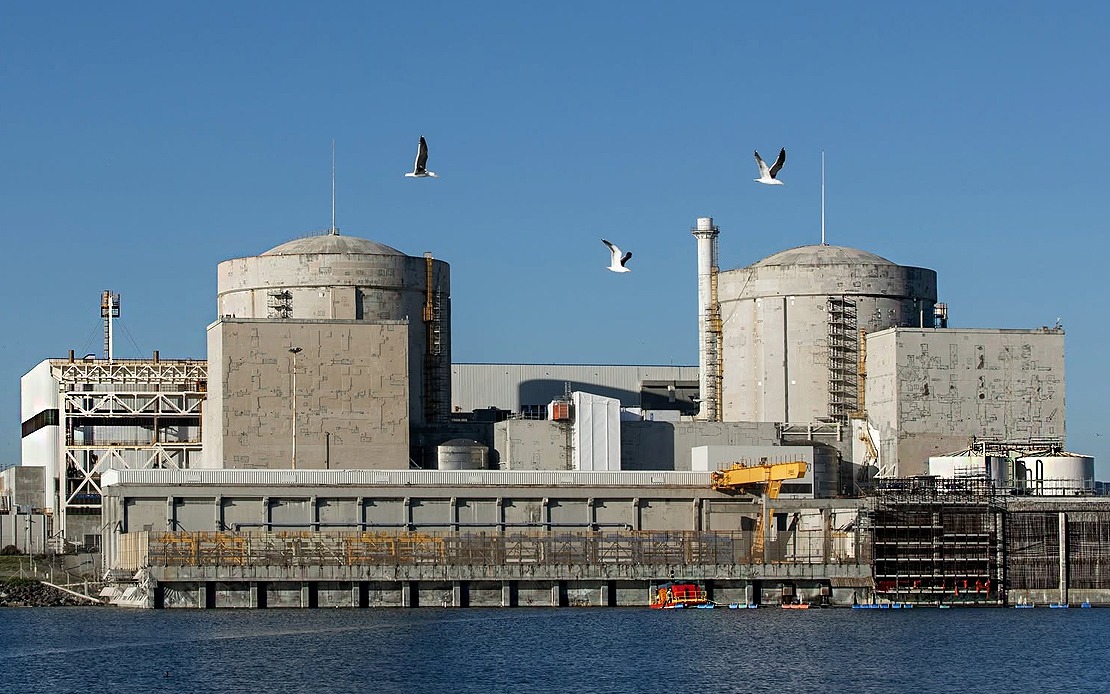
South Africa's Energy Minister Kgosientsho Ramokgopa revealed on Sunday that employees at the Koeberg Nuclear Power Station had encountered radiation exposure during maintenance operations spanning three distinct incidents that occurred within a two-week window. The disclosures, made during a media briefing, detailed incidents on June 30 and July 2 and 7 at the facility situated approximately 30 kilometres north of Cape Town, one of the country's major urban centres.
Ramokgopa assured the public that all three incidents had been effectively contained and did not pose environmental or community risks. He emphasised that no radioactive material escaped into the surrounding environment and that residents in nearby areas faced no threat whatsoever. This reassurance comes as South Africa continues to navigate public concerns about nuclear power expansion amid an energy crisis that has plagued the nation for years.
The minister attributed the incidents to a temporary power failure that compromised the facility's ventilation systems, creating the conditions under which workers experienced exposure. Significantly, Ramokgopa characterised the radiation doses received as being lower than the exposure levels people encounter during routine dental X-ray examinations, framing the incident in terms designed to contextualise the exposure as relatively minor in scope.
Velaphi Ntuli, who heads South Africa's nuclear safety division, reinforced the official position by stating that these incidents did not cross the threshold that would classify them as reportable nuclear safety events under the country's regulatory framework. This classification suggests that the incidents, while acknowledged, fell within acceptable operational parameters that do not require formal escalation or broader disclosure to international nuclear safety bodies.
The incidents underscore persistent vulnerabilities within South Africa's energy infrastructure, particularly the fragility of systems that depend on continuous electrical supply. The power outage that triggered the incidents reflects broader challenges facing the nation's grid, which has been overwhelmed by demand and plagued by maintenance backlogs at ageing coal-fired power stations that have historically dominated electricity generation.
South Africa's government has positioned nuclear energy as a strategic solution to address chronic electricity shortages and the rolling blackouts that have disrupted economic activity and daily life across the country. Despite public apprehension, authorities have committed to expanding nuclear generating capacity by 5.2 gigawatts by 2039, representing a significant investment in atomic power as part of the country's energy diversification strategy.
This expansion plan reflects a broader shift in energy policy, as the government grapples with the imperative to replace aging coal infrastructure while moving toward cleaner electricity sources. The long-term energy roadmap envisions a transition away from fossil fuels entirely, with objectives to generate the majority of the country's electricity from non-fossil sources by 2050, a target that hinges substantially on nuclear and renewable energy development.
The Koeberg incidents, while characterised by authorities as minor and contained, arrive at a sensitive moment when public trust in nuclear safety becomes increasingly important for securing social acceptance of expansion plans. South Africa's nuclear sector must balance the genuine need for reliable, large-scale power generation against legitimate public concerns about reactor safety, waste management, and emergency response protocols.
For Southeast Asian nations monitoring energy developments in Africa, the South African experience offers instructive lessons about the complexities of nuclear power expansion. Countries like Malaysia, which currently has no nuclear plants but has discussed atomic energy as a future option, can observe how South Africa manages the intersecting challenges of aging infrastructure, energy security, public confidence, and regulatory oversight. The incidents also illustrate how grid vulnerabilities can cascade through interconnected systems, a concern relevant to integrated regional electricity networks in Southeast Asia.
The South African government's determination to pursue nuclear expansion despite such incidents reflects a calculation that the benefits of reliable, carbon-free baseload power outweigh the operational and safety concerns that inevitably accompany nuclear facilities. Whether public confidence can be sustained as the country adds substantially to its nuclear footprint remains an open question, particularly if such exposure incidents recur.

