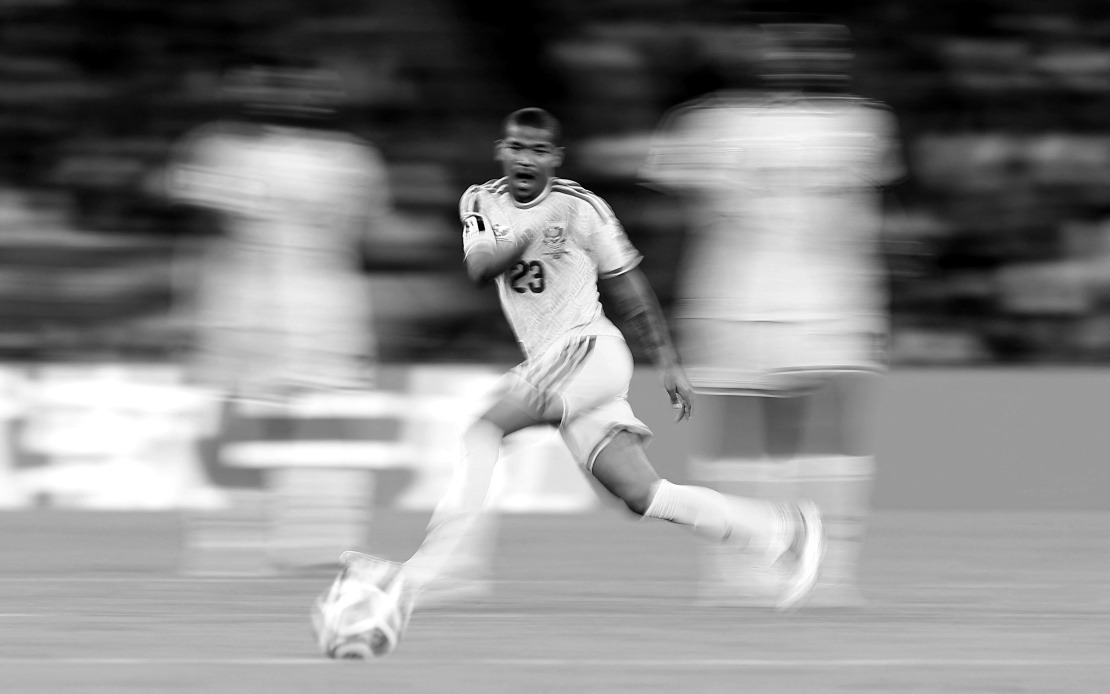
South Africa's football community is reeling from the sudden death of midfielder Jayden Adams, a promising international player who represented his nation at the ongoing FIFA World Cup. The 25-year-old's passing was confirmed Saturday by the Confederation of African Football, marking a significant loss for the country's sporting landscape and the global football fraternity. Adams, who most recently played for prominent South African club Mamelodi Sundowns, had emerged as one of the nation's brightest emerging talents before his untimely death.
Adams featured prominently in South Africa's group-stage campaign at the World Cup tournament held last month, appearing in all three of his team's matches during the preliminary rounds. His inclusion in the squad reflected the confidence placed in him by the national coaching staff, positioning him as a key component of a youthful midfield setup. The midfielder's World Cup participation represented a significant milestone in his fledgling international career, having made his senior debut for Bafana Bafana in 2022. His presence in the tournament demonstrated the rapid trajectory of his development within the national setup.
South Africa achieved a historic milestone by advancing beyond the group stage for the first time in World Cup history, a breakthrough that underscored the quality of the squad Adams represented. However, the team's journey ended on June 28 when co-host Canada eliminated them in the round of 32, bringing their campaign to a close. Adams' contribution during those matches formed part of a collective effort by the national side to establish themselves on the global stage. The timing of his death, so soon after this significant tournament, adds poignancy to the loss felt by supporters and teammates alike.
Local authorities in Cape Town initiated an investigation after discovering a 25-year-old man's body at a residence in Schotschekloof, a central Cape Town neighbourhood, on Saturday morning. Although police have confirmed the discovery and opened a formal investigation, the specific cause of death remains undetermined pending official medical findings. This uncertainty has prompted South African Sports, Arts and Culture Minister Gayton McKenzie to urge restraint from the public and media, requesting that speculation be withheld while Adams' family, club, and officials await conclusive information. The minister's statement reflects the sensitivity surrounding the circumstances and the need for factual clarity before any conclusions are drawn.
McKenzie's public remarks underscored the magnitude of Adams' loss to South African football. The minister emphasised that the nation had lost one of its most promising young players, extending formal condolences to Adams' immediate family, his teammates at Mamelodi Sundowns, and the broader supporter base. Such ministerial acknowledgment signals the significance Adams held within South Africa's sporting consciousness, transcending the football pitch to become a matter of national concern. The words of a government minister carry particular weight in situations involving the death of internationally represented athletes, framing the loss within a larger national narrative.
Adams' professional trajectory had been marked by steady progression through South African football. He commenced his career at Stellenbosch FC, where he developed the technical and tactical skills that would eventually attract the attention of elite domestic clubs. In January 2025, he secured a move to Mamelodi Sundowns, one of the country's most successful franchises, a transfer that recognised his growing stature within local football circles. During his tenure at Sundowns, Adams contributed to the club's achievements, including victories in domestic league competitions and continental African Champions League fixtures, demonstrating his ability to perform at elevated levels of competition.
Beyond his World Cup appearance, Adams had previously represented South Africa in continental tournament settings. He was part of the national squad that reached the semifinals of the 2023 Africa Cup of Nations, an achievement that showcased his involvement in significant competitive campaigns. These appearances at major tournaments had positioned Adams as a likely fixture in South African football for years to come, with supporters and analysts anticipating further development of his capabilities at both club and international levels. His trajectory suggested a player with considerable potential for growth and sustained contribution to the national side.
The global football establishment has also paid tribute to Adams following confirmation of his death. Gianni Infantino, president of FIFA, issued formal condolences expressing that Adams would be profoundly missed by the international football community. Such acknowledgment from football's highest-ranking administrator indicates the resonance of Adams' death beyond South African borders, acknowledging his role as a representative of his nation on the world's biggest sporting stage. The FIFA president's remarks reflect the interconnected nature of modern international football, where young players earning caps at World Cups become recognised figures within global sports consciousness.
Adams' death carries implications for South African football's development pathway and succession planning. As an emerging midfielder with international experience and demonstrated capability at major tournaments, his loss represents the removal of a figure who embodied the next generation of the nation's footballing talent. Clubs and national coaches will need to reassess their planning and support structures for young players, particularly those navigating the pressures and demands accompanying international representation. The tragedy underscores the broader challenges facing elite athletes, extending beyond purely sporting considerations to encompass mental health, welfare support systems, and the pastoral care provided to rising talents managing high-profile careers.
For Malaysian and Southeast Asian football followers, Adams' death serves as a sobering reminder of the vulnerabilities affecting young footballers across the African continent and beyond. While South African football has achieved notable success in recent years, the sudden loss of a World Cup participant highlights ongoing challenges within the regional sports ecosystem. The incident may prompt broader reflection on player welfare frameworks, mental health support services, and the comprehensive care structures necessary for athletes operating at elite levels. As the investigation into Adams' death progresses, the football community will await definitive information while mourning the loss of a promising talent whose career and life have been cut tragically short.

