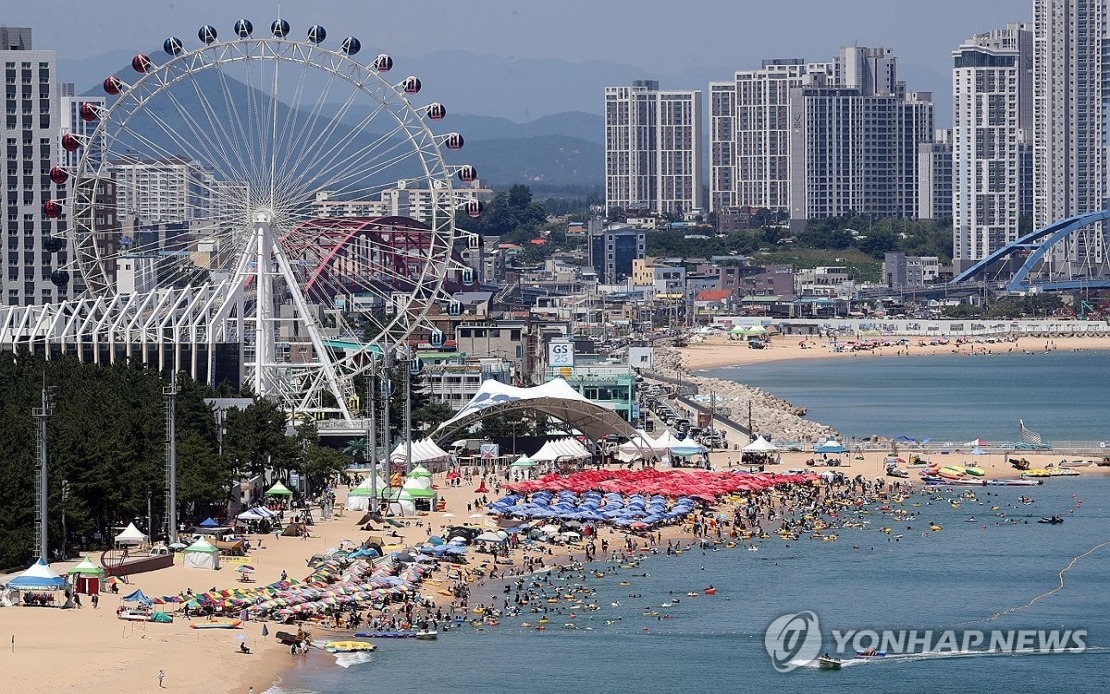
South Korea faces an unprecedented weather crisis as temperatures in its southeastern regions have shattered all historical records, with the city of Yangsan recording a punishing 42.5°C on Sunday afternoon. This figure marks the highest temperature ever documented since systematic meteorological observations commenced on the Korean Peninsula in 1904, representing a significant breach of previous temperature thresholds maintained over more than a century of data collection. The dramatic spike underscores the intensifying nature of extreme heat phenomena across East Asia and raises urgent questions about climate adaptation in densely populated developed nations.
The precise timing of the record demonstrates how rapidly conditions deteriorated on the day. Yangsan, situated approximately 310 kilometres southeast of Seoul, first crossed the critical 40°C threshold at 1:16 p.m., only to climb another 0.5°C within a mere ten minutes by 1:26 p.m. This acceleration concerned meteorologists at the Korea Meteorological Administration, who track readings across 97 long-term observation stations nationwide. The speed of temperature increase and the trajectory of daily peaks suggested that conditions might continue deteriorating, with some weather officials expressing apprehension that mercury levels could potentially exceed 43°C if the heat wave pattern persisted unchecked.
The extreme conditions were not confined to Yangsan alone. The nearby city of Gyeongju, positioned roughly 240 kilometres southeast of Seoul, also shattered its own records by reaching 40.2°C on Sunday afternoon—the first time in the calendar year that this threshold had been breached there. What made this particularly noteworthy was that Gyeongju's previous record of 39.8°C had stood since 2018, meaning the new peak represented the highest temperature the city had experienced in eight years. The synchronised nature of record-breaking across multiple southeastern locations illustrated that this was not a localised phenomenon but rather a widespread atmospheric disturbance affecting a significant geographical swathe of the country.
The pattern of escalating heat in Yangsan revealed a troubling trend. Sunday marked the fifth consecutive day on which temperatures in the city had exceeded the 40°C mark, suggesting that the heat wave had moved beyond occasional spikes into sustained, oppressive conditions. Critically, the timing of when daily temperatures crossed above 40°C was occurring progressively earlier each successive day—a phenomenon that meteorologists recognised as indicating continued accumulation of atmospheric heat energy. This pattern raised genuine scientific concerns that the region had not yet reached peak heating for the event and that temperature records established on Sunday might themselves prove temporary before being superseded within days.
Recognising the severity of the situation, the South Korean government moved swiftly to establish formal emergency protocols. As of 1 p.m. on Sunday, authorities activated a "Level 2" emergency operation of the disaster response headquarters, elevating the government-wide response mechanism to address what officials characterised as an extreme heat emergency. This classification positioned the heat wave alongside other major national crises requiring coordinated central government intervention and resource mobilisation across all relevant agencies and regional administrations.
Prime Minister Han Seong-sook issued explicit emergency directives targeting multiple critical areas. Her orders mandated that government ministries and provincial governments intensify safety inspections specifically focused on demographics most vulnerable to heat-related illnesses—primarily the elderly, those with pre-existing medical conditions, and individuals engaged in outdoor labour. Simultaneously, authorities prioritised maintaining stable electrical supply to homes and businesses, recognising that widespread air-conditioning use during extreme heat events can strain power grids and create cascading failures during peak demand periods. Water supply security was similarly emphasised, as extreme heat increases consumption dramatically while potentially compromising water treatment and distribution infrastructure.
Public health authorities issued cautionary guidance advising citizens to minimise unnecessary outdoor activities during peak heat hours. Safety advisories emphasised behavioural modifications and precautionary measures designed to reduce heat exposure and associated health risks. Such warnings, however, present particular challenges in a highly urbanised, working-society context where many individuals cannot simply abandon outdoor obligations, and where informal sector workers lack the flexibility available to white-collar employees operating in climate-controlled offices.
The South Korean heat wave carries significant implications for Southeast Asian nations. Climate scientists increasingly view extreme weather events in East Asia as harbingers of regional atmospheric patterns that can migrate southward. The mechanisms driving South Korea's record heat—typically involving atmospheric blocking patterns, anomalous sea surface temperatures, and monsoon disruptions—share common causes with heat extremes affecting Thailand, Vietnam, and other regional neighbours. Malaysian policymakers and meteorological agencies monitoring these developments should consider whether similar atmospheric configurations might pose risks to local infrastructure and public health systems in coming months or years, particularly given evidence that heat extremes are becoming more frequent and intense across Asia.
The broader significance of South Korea's record extends beyond immediate emergency response. The nation represents a developed economy with sophisticated infrastructure, advanced early warning systems, and substantial resources for emergency management—yet it remains vulnerable to unprecedented natural phenomena. For developing countries throughout Southeast Asia, South Korea's experience offers cautionary lessons about the limits of existing preparedness frameworks when confronted with conditions beyond historical experience. The record emphasises that climate change is not merely a gradual warming phenomenon but rather involves the emergence of genuinely novel extreme events that challenge assumptions built into infrastructure design, agricultural planning, and public health systems developed during more stable climatic eras.

