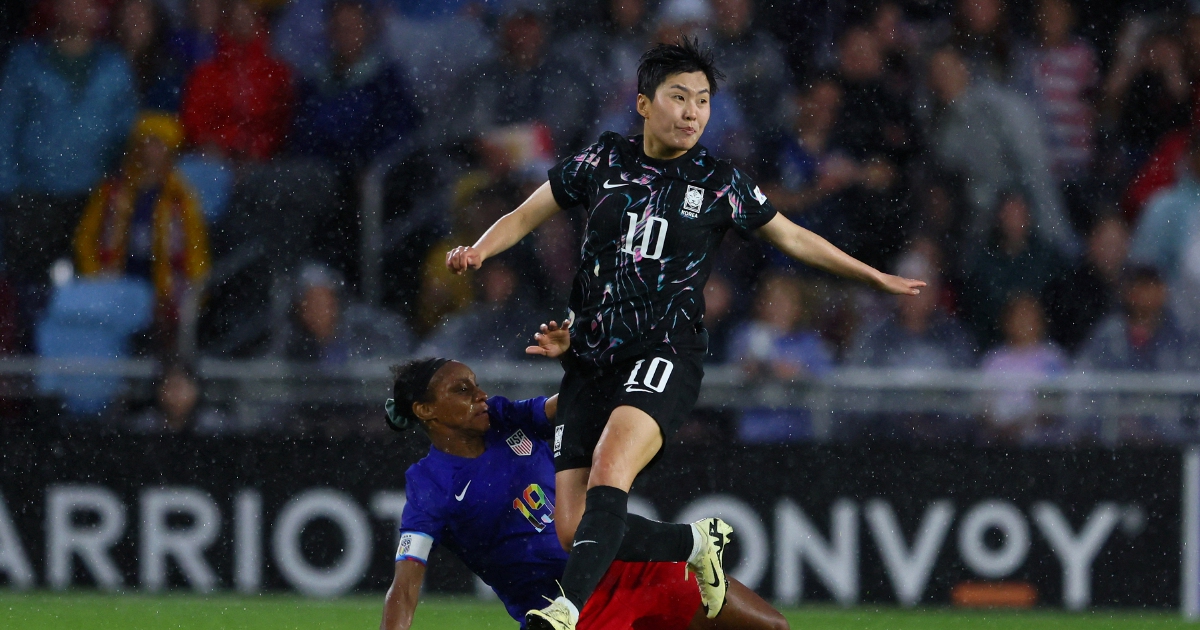
South Korea's women's football federation has initiated a formal investigation following allegations that a referee made a sexist remark to former Chelsea midfielder Ji So-yun during a domestic competition, marking a significant moment for gender equity in Korean football. The accusation surfaced publicly on Monday and has already prompted swift institutional action, underscoring growing scrutiny of discriminatory conduct within sports environments.
The alleged incident involved a female referee making a comment suggesting that Ji So-yun was menstruating during the course of play in a domestic league game. Such remarks represent a troubling example of how women athletes continue to face gender-based discrimination even within spaces nominally dedicated to female participation in sport. The specificity of targeting a biological function traditionally used to demean female athletes reveals persistent attitudes that undermine the credibility and professionalism expected in football administration.
Ji So-yun, who earned her reputation at elite international level while serving as a Chelsea midfielder, brings significant stature to the complaint. Her professional standing amplifies the seriousness of the allegations and lends considerable weight to broader concerns about systemic respect for women players across South Korea's football infrastructure. The fact that such a high-profile athlete felt compelled to raise the issue suggests the conduct was sufficiently egregious to warrant formal complaint despite potential professional repercussions.
The investigation itself signals that South Korea's football federation recognises the gravity of allegations involving discriminatory language. By committing to a formal review process, the organisation demonstrates awareness that maintaining competitive integrity in women's football requires establishing and enforcing clear standards of professional conduct. This institutional response also reflects international pressure and evolving expectations around safeguarding women athletes from harassment and discrimination in sports.
For Southeast Asian football stakeholders, the case offers an instructive lesson about how gender-based discrimination can manifest even in professional environments staffed by women officials. The assumption that female referees would automatically understand or respect female athletes proves demonstrably false. This reality challenges simplistic notions that increasing women's participation in administrative roles automatically resolves underlying cultural attitudes toward gender and sports performance.
The broader context involves South Korea's women's football programme, which has invested significantly in developing competitive talent and infrastructure. Ji So-yun's international career represents a substantial investment in player development and a source of national sporting pride. When administrative personnel undermine such athletes through discriminatory conduct, they effectively damage the credibility of the entire women's programme and discourage aspiring young female players from pursuing careers in football.
Discriminatory remarks linking female athletes to menstruation carry particular psychological weight because they fundamentally question women's capacity to perform at elite levels. This rhetorical strategy has historical roots in arguments against women's sports participation generally, making it especially potent as a tool of marginalisation. Referees occupy positions of authority within matches, meaning such comments carry institutional weight and can influence not only the targeted player but also teammates, opponents, and spectators observing the match.
The investigation's scope and methodology remain to be detailed, but the federation's willingness to act establishes accountability mechanisms that were previously absent or ineffective. Moving forward, the organisation will need to demonstrate that this incident triggers substantive reforms in referee training, conduct standards, and disciplinary procedures. Without systemic change, individual investigations risk becoming performative gestures that address symptoms rather than root causes.
Regional implications deserve consideration as well. South Korea's women's football development has influenced aspirations and standards across East and Southeast Asia. How the federation addresses this investigation will signal to neighbouring football bodies whether discriminatory conduct carries genuine professional consequences. Countries like Malaysia, Thailand, Vietnam, and Philippines observe South Korean football governance patterns and often model their own institutional structures accordingly.
The incident also raises questions about referee education and recruitment in women's football specifically. Standard training protocols may inadequately address gender-sensitive conduct, assuming instead that professional qualifications automatically translate into appropriate interpersonal behaviour. Specialised training addressing unconscious bias, respectful communication, and the psychological dynamics of women's sport represents an underutilised opportunity for Korean football authorities.
Parent and player organisations throughout Asia will likely scrutinise the investigation's findings and the federation's responsive actions. Young female athletes and their families make participation decisions based partly on perceived safety and respect within formal football structures. Transparent handling of this complaint could reinforce confidence in Korean women's football institutions, while mishandling could drive talented players away from the sport entirely.
The path forward requires the South Korean federation to balance thorough investigation with meaningful remediation. This includes not only determining whether the alleged remarks occurred but examining systemic factors that permitted such conduct to go unaddressed previously. Engaging with the player community, implementing targeted education programmes, and establishing clear reporting mechanisms would demonstrate genuine commitment to creating an inclusive competitive environment.
Ultimately, this investigation represents an opportunity for South Korea's women's football federation to establish itself as a regional leader in safeguarding athlete dignity and professional standards. The outcome will reverberate across Asian women's football, influencing how other national bodies approach similar allegations and what female athletes expect from their respective institutions.

