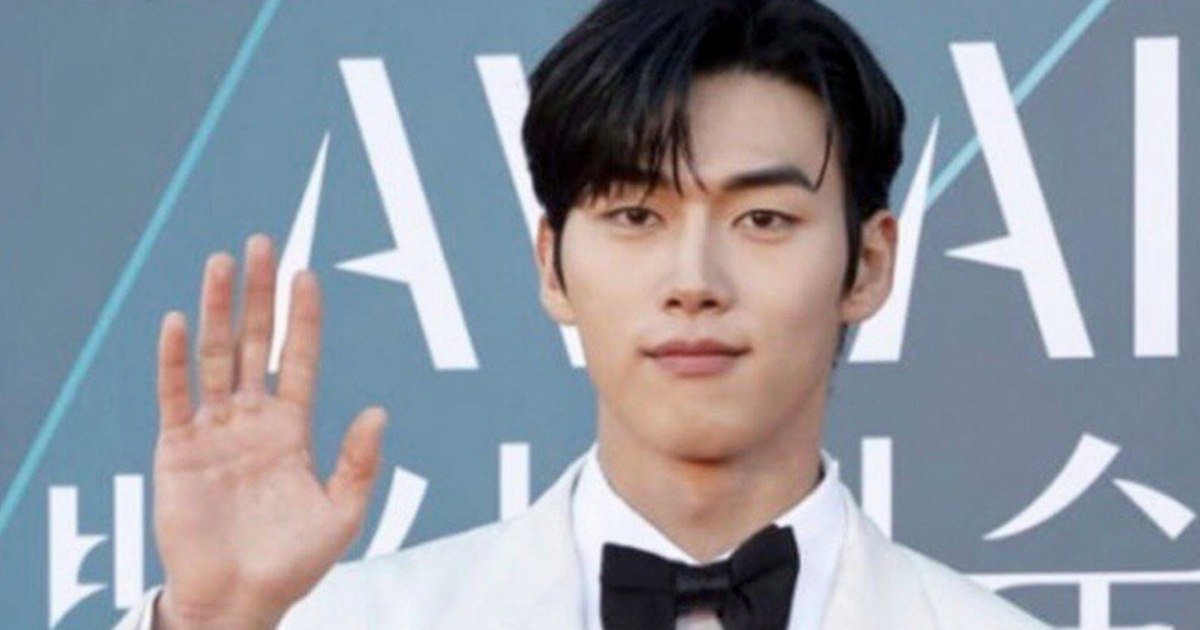
South Korean television and film actor Hong Min-gi has become embroiled in a public controversy after his former girlfriend, an influencer known publicly only as A, levelled serious allegations of both verbal and physical abuse against him. The accusations, which have circulated widely across South Korean social media platforms and entertainment news outlets, represent a significant reputational challenge for the performer during a period when entertainment industry misconduct allegations have drawn heightened scrutiny from audiences and authorities alike.
The actor's agency responded swiftly to the claims with an unequivocal denial, rejecting all aspects of the allegations as categorically false. In a statement released to media outlets, the management company characterised the accusations as baseless and expressed concern about their potential impact on the actor's career and personal reputation. The agency's response typifies the standard defensive posture adopted by entertainment management firms when navigating public controversies of this nature, though the seriousness of abuse allegations distinguishes this case from typical celebrity disputes.
Beyond simple denial, the agency announced its intention to pursue legal action against those responsible for circulating the allegations. This escalation suggests the management company views the claims as sufficiently damaging and unsubstantiated to warrant formal legal intervention, potentially including defamation or libel suits depending on how South Korean courts might assess the statements made by the influencer. The threat of legal proceedings has become a conventional strategy employed by entertainment industry figures seeking to counter misconduct allegations, though such tactics themselves can become points of public contention when accusers argue they face intimidation.
The timing of these allegations reflects broader patterns within South Korean entertainment, where social media has fundamentally altered the dynamics of public accountability. Unlike previous decades when celebrity scandals were mediated primarily through established media channels, contemporary influencers and social media users can now broadcast allegations directly to audiences, bypassing traditional gatekeepers. This democratisation of information distribution has empowered accusers to speak publicly but has simultaneously created challenges around verification and context that complicate efforts to establish factual truth.
The case also arrives within a context of heightened awareness regarding workplace and intimate partner violence across South Korea and the broader East Asian region. The #MeToo movement's influence has reshaped expectations around how entertainment industry figures respond to such allegations, with audiences increasingly divided between those who view defensive denial as appropriate and those who interpret aggressive legal responses as attempts to silence accusers. This polarisation reflects genuine disagreement about procedural fairness in cases where allegations lack formal institutional investigation.
For Malaysian and Southeast Asian entertainment industry observers, the Hong Min-gi case offers instructive lessons about reputational management in an era of instantaneous information dissemination. Celebrity scandals originating in South Korea frequently circulate across regional social media networks, particularly among younger audiences who follow Korean entertainment content extensively. The manner in which South Korean public figures and their representatives respond to allegations often sets precedents that influence how Malaysian and regional entertainment figures handle similar controversies.
The influencer identified as A has not yet provided detailed public documentation of the alleged incidents, and specifics regarding when the reported abuse occurred or what form it took remain unclear from available reports. This absence of comprehensive detail complicates independent assessment of the allegations' credibility while simultaneously leaving room for speculation and rumour to proliferate across social platforms. The asymmetry between serious allegations and limited evidentiary disclosure creates a challenging environment for those seeking to form informed judgments about the controversy.
South Korean entertainment agencies have historically maintained significant control over their artists' public narratives, a dynamic that has begun shifting as social media enables alternative voices to reach audiences directly. The present case exemplifies this tension between institutional power and individual agency, with the actor's management company asserting its prerogative to shape the narrative while the influencer's allegations represent an attempt to circumvent such mediation. Neither party's approach necessarily reflects bad faith, but the inherent conflict creates a situation where truth-establishment becomes extraordinarily difficult outside formal legal proceedings.
The prospect of litigation introduces additional complications, as legal processes in South Korea operate according to specific procedural frameworks that may take months or years to produce conclusions. During this extended timeline, public opinion will likely continue to shift based on information released through media channels, social platforms, and entertainment news outlets, potentially creating situations where legal outcomes diverge significantly from prevailing public sentiment. This phenomenon has become increasingly common in high-profile cases across East Asia, where immediate social media judgment often precedes formal legal determination.
Looking forward, the resolution of this controversy will likely depend on whether the influencer produces additional evidence supporting her allegations, whether the agency's legal strategy produces results that satisfy public scrutiny, and ultimately whether formal investigations or legal proceedings occur. For the South Korean entertainment industry and by extension for regional observers, the case reinforces ongoing questions about how accountability functions when formal institutions move slowly while digital platforms demand immediate judgment. The outcome may shape expectations regarding how future allegations receive treatment from both industry representatives and audiences.

