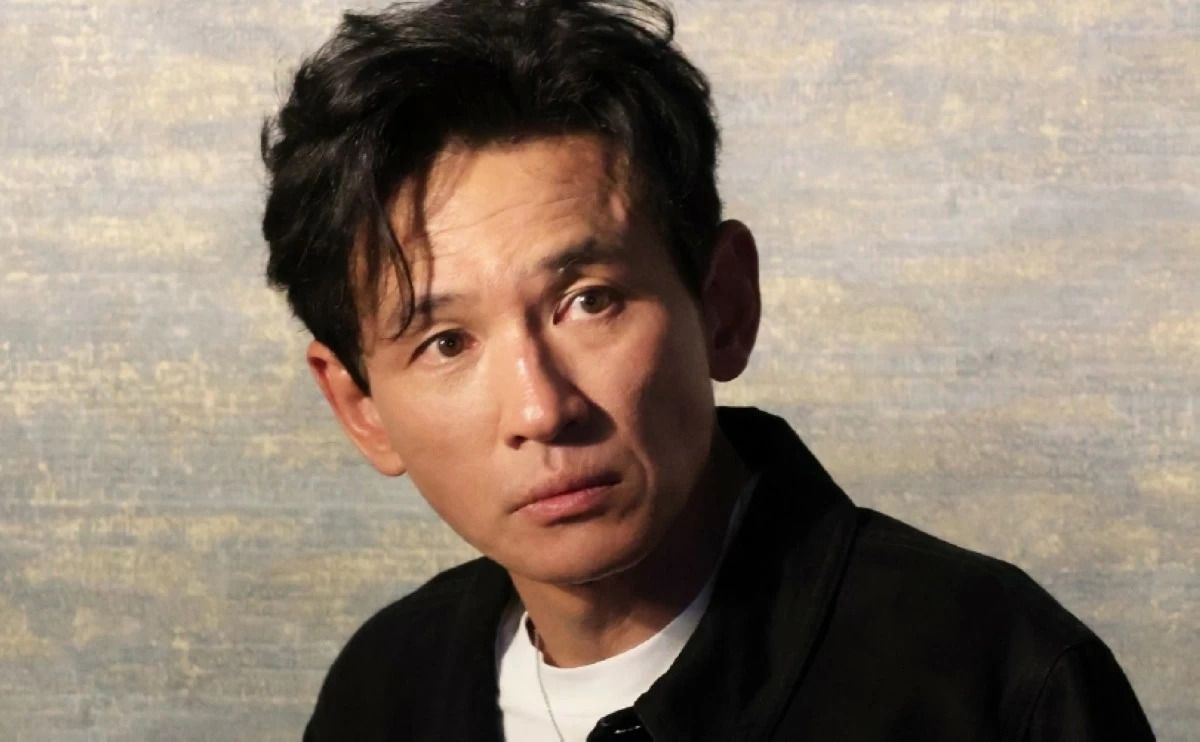
South Korean actor Hwang Jung-min's management company has firmly rejected accusations of an extramarital affair, instead portraying the woman behind the allegations as a stalker subject to repeated legal action. The agency issued a statement on July 29 dismissing claims made public on social media, which the woman had supported with what she presented as text messages, photographs and audio recordings allegedly involving the 55-year-old actor.
According to the agency's account, the accuser is a criminal suspect in an ongoing stalking investigation related to Hwang. The actor himself filed a criminal complaint against the woman in 2025, leading to a series of legal interventions. A court has subsequently issued three separate restraining orders against her and imposed a fine of three million won, equivalent to approximately RM8,525, through a summary order procedure. The woman has since challenged this fine and requested a full formal trial, while simultaneously pursuing a civil lawsuit against Hwang seeking monetary damages for alleged wrongdoing.
The agency characterised the social media posts containing the alleged evidence as "maliciously edited" material and announced plans to pursue additional legal action related to their publication. The statement expressed regret over the attention the matter has generated but notably avoided addressing whether the audio recording itself was authentic or fabricated. This ambiguity has left questions about the substance of the allegations unresolved in public discourse.
Hwang's personal life has remained relatively private throughout his career. He has been married since 2004 to Kim Mi-hye, a South Korean musical and theatre producer who serves as the chief executive of SEM Company, the management agency now defending him. The coupling of a personal relationship and professional partnership adds complexity to the current dispute, as the company responsible for managing his career and public image is also his spouse's organisation.
As one of South Korea's most bankable film stars, Hwang has built a substantial reputation through leading roles in numerous high-grossing domestic blockbusters. His involvement in major film projects typically generates significant commercial interest and media coverage, making reputational management particularly consequential for both his career trajectory and the wider entertainment industry. The current allegations and the agency's response will likely influence public perception during a sensitive period for the actor's professional standing.
Hwang's current filmography includes prominent roles in Na Hong-jin's action thriller, a high-profile production that reflects his continued demand among major studios and producers. The film reunites him with fellow South Korean actors Zo In-sung and Jung Ho-yeon, alongside internationally recognised Hollywood performers Michael Fassbender and Alicia Vikander. The project's regional release schedule, opening in Singapore on September 10, positions it as a significant commercial venture across Southeast Asian markets.
The timing of these allegations raises questions about their potential impact on Hwang's professional commitments and the film's promotional campaign across the region. In the competitive landscape of East and Southeast Asian cinema, where actor reputation significantly influences box-office performance, such controversies can affect commercial outcomes regardless of their ultimate legal resolution. The agency's aggressive legal response strategy suggests an intent to contain potential damage swiftly and comprehensively.
For Malaysian audiences familiar with South Korean entertainment content, this dispute reflects broader dynamics within the Korean entertainment industry regarding celebrity reputation, fan engagement, and the weaponisation of social media platforms. The intersection of criminal harassment allegations and civil liability claims demonstrates how modern celebrity scandals operate across multiple legal jurisdictions and public forums simultaneously, complicating straightforward resolution.
The case also illustrates evolving approaches to stalking and harassment within South Korea's legal framework. The imposition of three separate restraining orders and the utilisation of summary fining procedures indicate a judicial response aimed at protecting the subject of alleged harassment while providing mechanisms for contesting administrative decisions through formal trials. This multi-layered approach reflects tension between swift intervention and due process protections.
As the situation continues to develop, the entertainment industry across Southeast Asia will likely monitor the outcome closely, particularly regarding how such allegations affect casting decisions, investor confidence and audience reception. The convergence of Hollywood and Korean cinema in projects like Hwang's current film demonstrates the globalised nature of entertainment production, making regional reputational considerations increasingly important for international box-office success and streaming platform distribution decisions.

