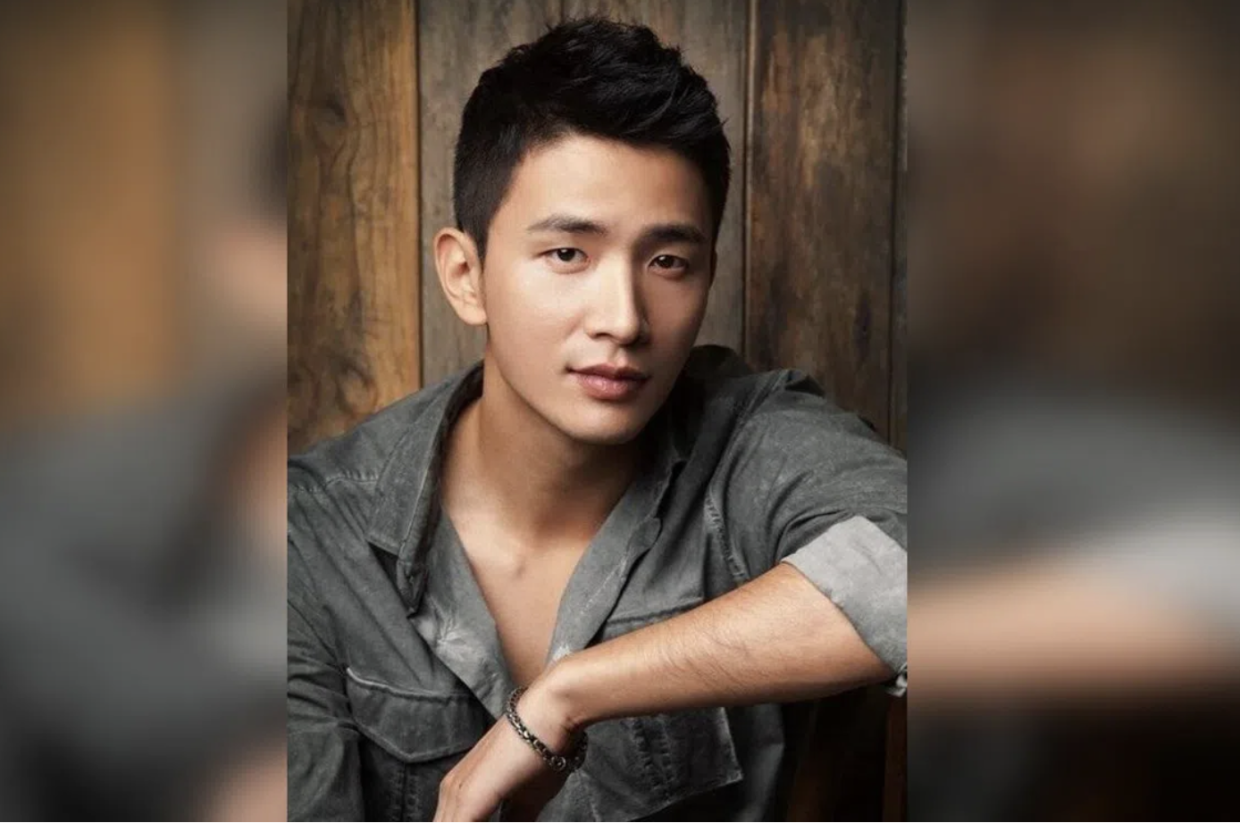
South Korean actor Lee Yong-joo, remembered by regional audiences for his appearances in the widely watched drama Princess Hours and the sitcom Blue Tower, has passed away at the age of 44. His death on August 29 resulted from cardiac arrest, according to reports from South Korean media outlets. A close associate shared news of his sudden passing through social media, expressing shock at the unexpected loss and requesting that colleagues and supporters honour his memory during his final arrangements.
The announcement has prompted fresh scrutiny of a serious health condition that Lee had disclosed publicly several years earlier. In 2013, while promoting Blue Tower on the small screen, the actor revealed the underlying cause of his military service exemption: hypertrophic cardiomyopathy, a progressive condition characterised by abnormal thickening of the heart muscle. This revelation shed light on the personal health challenges he had navigated throughout his career, a burden he carried with relative privacy until his premature death.
The hereditary nature of hypertrophic cardiomyopathy played a significant role in Lee's medical history. His mother had herself been hospitalised after being diagnosed with the same condition, prompting family members to seek preventive medical screening. Medical professionals had advised the family to undergo examinations due to the disease's potential to run across generations, leading to Lee's own diagnosis. The fact that the condition affected multiple family members underscores the genetic complexity of the illness and the importance of early detection in at-risk populations.
Lee's journey into entertainment began modestly as a fashion model before he transitioned into acting. His breakthrough came with a minor role in the 2004 film Doma Ahn Jung-geun, followed by television appearances that gradually built his profile. In 2005, he joined the cast of MBC's Hello, Francesca, and the following year contributed to the ensemble cast of Princess Hours, the prestigious drama that would become his most recognisable credential among audiences across the region.
In Princess Hours, Lee portrayed Jang Kyung, a high school acquaintance of the crown prince character played by Ju Ji-hoon. The series, which aired in 2006, became a significant cultural export and remains popular in streaming platforms throughout Southeast Asia. This role, though not the lead, provided Lee with substantial visibility and helped establish him as a recognised face in Korean television. The drama's enduring legacy means many Malaysian fans and viewers may have encountered his work through reruns or streaming services.
Following his appearance in Princess Hours, Lee built a steady career appearing in various television productions. He took roles in the comedy series Unstoppable Marriage in 2007, and subsequently featured in the long-running Rude Miss Young-ae franchise, which spanned from 2007 to 2019. His filmography expanded further to include The Women's Room in 2013, the culinary-themed series Let's Eat that same year, and My Unfortunate Boyfriend in 2015. These diverse roles demonstrated his range across comedic and dramatic genres.
Blue Tower, the tvN sitcom running from 2013 to 2014, provided Lee with one of his most prominent roles and contributed significantly to building his fan base. In this production, he played a military recruit, a casting choice made ironic by his exemption from actual military service due to his heart condition. The show's writers cleverly incorporated this aspect of his background into the narrative, allowing the circumstances of his life to inform his character development. His portrayal in this series earned him considerable popularity and showcased his comedic timing.
Lee's death represents a sobering reminder of the vulnerabilities faced by entertainment industry workers who manage serious chronic conditions while maintaining demanding careers. The actor's decision to disclose his hypertrophic cardiomyopathy publicly, rather than keeping it entirely private, may have helped raise awareness about this potentially life-threatening condition among viewers. For Malaysian audiences and others throughout Southeast Asia who followed his work, his passing serves as a prompt to consider the human stories behind the performers featured in the dramas and comedies that entertain millions.
The actor's final arrangements were handled at the Bundang Jesaeng Hospital Funeral Hall in Seongnam, located in Gyeonggi Province. His funeral procession was scheduled to commence on August 31 at 6:30 in the morning, with burial services to follow at the Seongnam City Funeral Culture Complex. These traditional arrangements allowed colleagues, friends, and professional associates to pay their respects and bid farewell to a performer who had contributed meaningfully to Korean television across nearly two decades of work.

