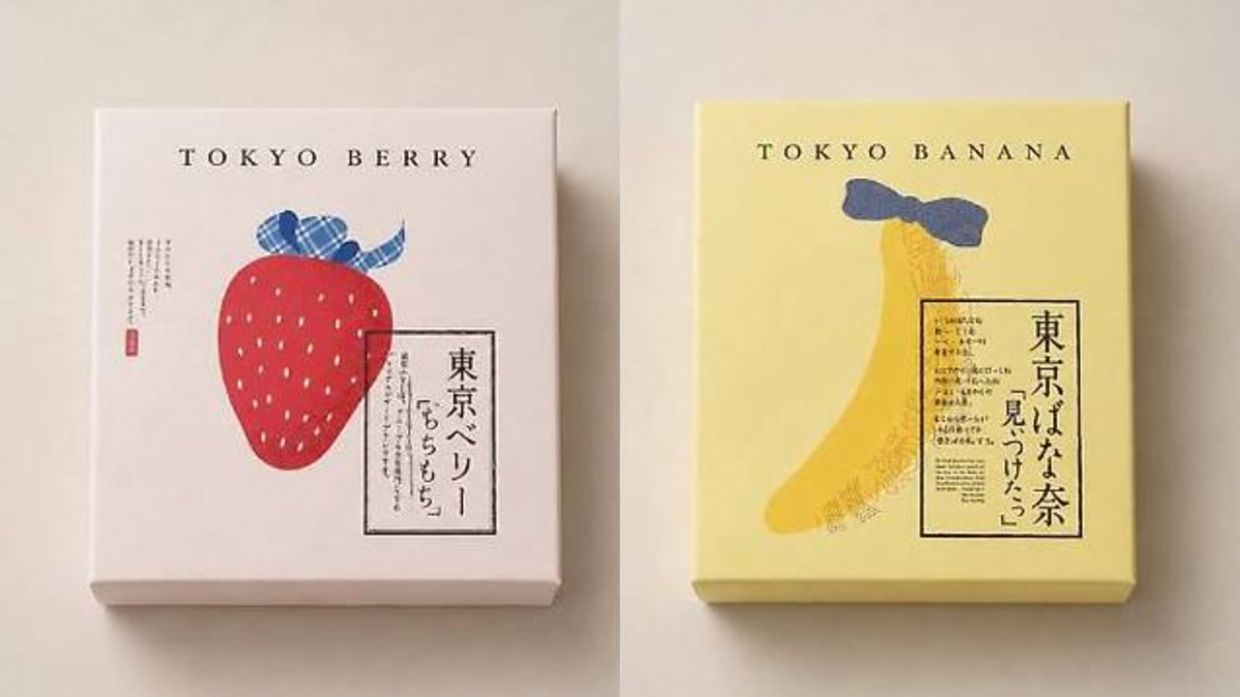
A South Korean confectionery brand has become embroiled in controversy following accusations that it has deliberately replicated the packaging and visual identity of Japan's established Tokyo Banana dessert line. Tokyo Berry, which launched recently in South Korea, now faces intense scrutiny from consumers who claim the company's marketing strategy and product presentation closely mirror those of Grapestone's Tokyo Banana, a respected Japanese banana-shaped sponge cake with an established international following.
The dispute emerged when shoppers began posting comparative images across social media platforms, revealing striking similarities between the two brands' packaging designs and overall aesthetic presentation. These side-by-side comparisons quickly gained traction online, prompting wider public debate about intellectual property and consumer deception in the regional confectionery market. The visual parallels proved so evident that many consumers questioned whether the brands were connected through a shared corporate parent or licensing arrangement.
Tokyo Berry's expansion strategy centred on temporary retail operations within South Korea's most prominent shopping destinations, including major department store chains such as Lotte and Shinsegae. These pop-up outlets generated substantial foot traffic, with queues of customers waiting to purchase products they believed represented an authentic Japanese import. The brand's promotional messaging deliberately emphasised Japanese cultural references, describing its offerings as "capturing the flavours of seasonal fruits and the essence of Tokyo," language that many now argue was calculated to exploit consumer assumptions about the product's true origin.
Department store officials confirmed on Friday that all scheduled Tokyo Berry pop-up locations would be terminated immediately, signalling the commercial damage inflicted by the reputational crisis. This swift response from major retailers demonstrates how quickly brand partnerships can dissolve when consumer trust is undermined by allegations of deceptive marketing practices. For Malaysian and Southeast Asian readers familiar with similar regional brand disputes, the incident underscores the competitive pressures facing emerging domestic food brands seeking to establish themselves against established Asian market leaders.
The controversy has widened beyond simple packaging resemblance to encompass accusations of copying on multiple fronts. Critics have pointed to Tokyo Berry's inner wrapping materials, claiming the company has also imitated design elements from Hanjungsun, a premium Korean dessert producer celebrated for incorporating hanji, traditional Korean mulberry paper, in its packaging of chapssaltteok rice cakes. This dual allegation suggests a pattern of derivative design practices rather than isolated coincidence, raising questions about the brand's entire product development philosophy.
Online reaction has been notably harsh, with many South Korean consumers characterising the situation as nationally embarrassing. This sentiment reflects broader sensitivities within Korean society regarding intellectual property protection and national brand reputation, particularly when domestic companies appear to be subordinating Korean innovation to Japanese commercial success. The framing of the controversy in patriotic terms has amplified public interest and intensified pressure on the company to respond meaningfully.
Tokyo Berry has attempted damage control by restricting access to its Instagram promotional content, disabling comment functions on existing posts. However, this defensive manoeuvre has largely backfired, signalling to consumers that the company acknowledges the validity of criticism while refusing to engage substantively with public concerns. Such strategies rarely contain reputational crises in the social media age and frequently compound negative perceptions.
Grapestone, the Japanese operator of Tokyo Banana, has initiated an internal review process to assess the intellectual property implications of Tokyo Berry's activities. The company issued a measured statement indicating that relevant departmental teams were examining the matter in detail, suggesting a formal response may be forthcoming. For regional business observers, the case illustrates how established brands increasingly monitor competitive landscapes in adjacent markets and move decisively when they perceive infringement.
This episode carries broader significance for Southeast Asian entrepreneurs and established regional brands navigating competitive pressures across Asia-Pacific markets. The incident demonstrates that leveraging cultural associations and national imagery for commercial advantage, particularly when products lack authentic connections to their claimed origins, carries substantial reputational and commercial risks in contemporary consumer markets. For Malaysian companies considering expansion into competitive dessert and confectionery sectors, the Tokyo Berry case offers instructive lessons about brand authenticity, consumer expectations, and the consequences of attempting to capitalise on borrowed legitimacy rather than developing genuinely distinctive product identities rooted in domestic culinary traditions.

