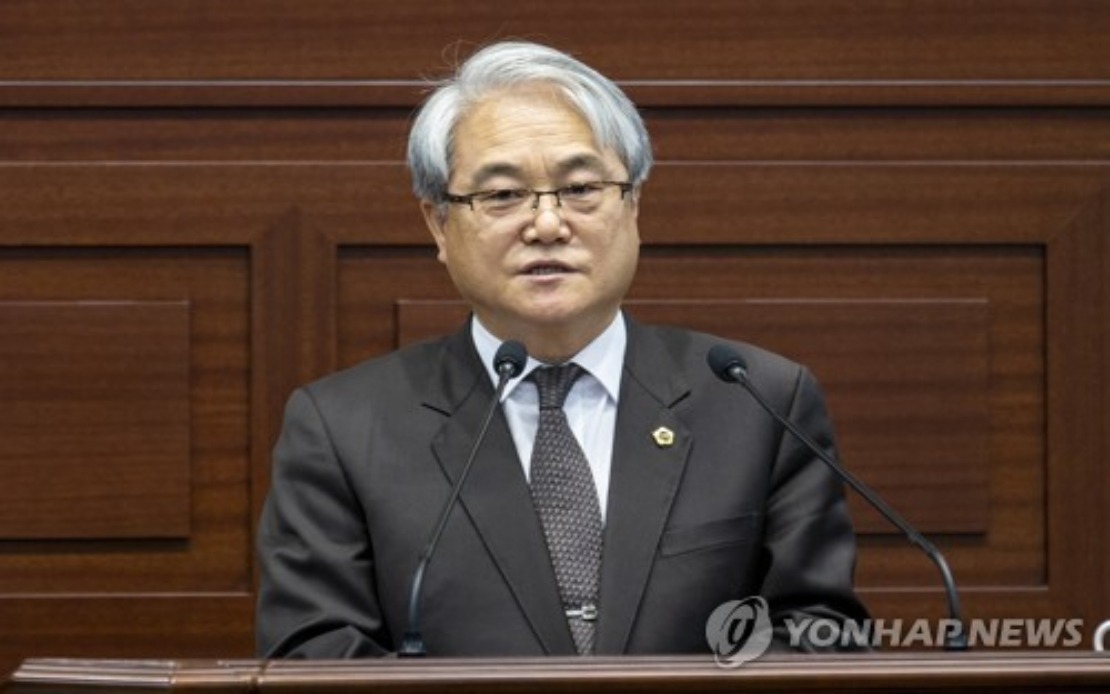
A former administrator in South Korea's southeastern Cheongdo county has been discovered dead on a mountainside, bringing a dramatic conclusion to an ongoing corruption investigation that had ensnared the official in multiple serious allegations. Rescue personnel located the body of Kim Ha-soo at approximately 7 a.m. on Monday, along with what appeared to be a handwritten note believed to have been left by him. Authorities have not released detailed information about the circumstances surrounding the discovery or the contents of the note found at the scene.
Kim had served as Cheongdo county chief between 2022 and early this year before stepping down from the position. During his tenure, he became the subject of a formal investigation into allegations that he had accepted unlawful payments from a public official in return for facilitating a job promotion. This type of quid pro quo arrangement, in which government resources or influence are traded for personal gain, represents a fundamental breach of public trust and has long been a significant concern within South Korea's administrative system.
The bribery investigation had already claimed another victim in the corruption network surrounding Kim. An individual suspected of being the conduit for delivering the bribe to Kim was found dead prior to the former county chief's discovery. The death of the alleged intermediary raised questions about the scope and depth of the misconduct involved, as well as potential connections between various individuals implicated in the scheme.
Beyond the corruption allegations involving improper payments, Kim faced additional scrutiny from prosecutors on a separate matter. He had been formally referred to South Korea's prosecution service after being accused of unlawfully entering the residence of a nursing home director in January. This burglary allegation suggested a pattern of behavior that extended beyond conventional corruption, raising concerns about potential threats to the safety and security of private citizens.
The case reflects persistent challenges within South Korea's public administration regarding ethical conduct and the rule of law. Despite decades of democratic development and institutional strengthening, allegations of bribery and improper influence continue to surface across various levels of government. Local government officials, who wield considerable authority over zoning decisions, business permits, and personnel appointments, occupy positions particularly vulnerable to corruption.
For Malaysian observers, the South Korean situation offers instructive parallels. Both nations have experienced high-profile corruption cases involving government officials at various administrative levels. South Korea's ongoing efforts to investigate and prosecute such cases, even when they involve deceased individuals, demonstrate institutional commitment to accountability. Malaysia's own anti-corruption framework, centered on the Malaysian Anti-Corruption Commission, operates within a similarly challenging environment where local government officials exercise significant discretionary power.
The implications of such cases extend beyond individual prosecutions. When corruption becomes associated with local governance, it erodes public confidence in institutions and undermines the legitimacy of administrative decisions. Citizens may become reluctant to engage with local government services, fearing that outcomes depend on personal connections or financial arrangements rather than merit or legal entitlement. This broader institutional degradation can have lasting effects on development and social cohesion.
South Korea's institutional responses to corruption have evolved considerably over the past two decades. The establishment of specialized investigation units, legislative reforms to strengthen penalties, and increased transparency requirements represent efforts to address systemic vulnerabilities. However, cases like Kim Ha-soo's underscore the reality that legal frameworks alone cannot prevent determined individuals from engaging in misconduct, particularly when multiple actors collaborate in covering up impropriety.
The discovery of both the alleged bribe intermediary and Kim himself raises questions about whether the individuals involved faced mounting legal pressure that they felt unable to withstand. In some high-profile cases, subjects of corruption investigations have taken their own lives rather than face prolonged legal proceedings, conviction, and imprisonment. This pattern, while tragic, also highlights the serious consequences that South Korean society attaches to corruption charges and the significant reputational and personal damage that investigation entails.
Moving forward, the investigation into Cheongdo county administration will likely continue even with Kim's death. Prosecutors typically pursue cases against deceased individuals when evidence of misconduct is strong, in order to establish an official record and potentially recover misappropriated funds or assets. This approach serves both accountability objectives and practical purposes, including potential civil recovery actions by the state. The scope of investigation may expand to include other officials or beneficiaries within the county administration who may have been aware of or complicit in the arrangements.

