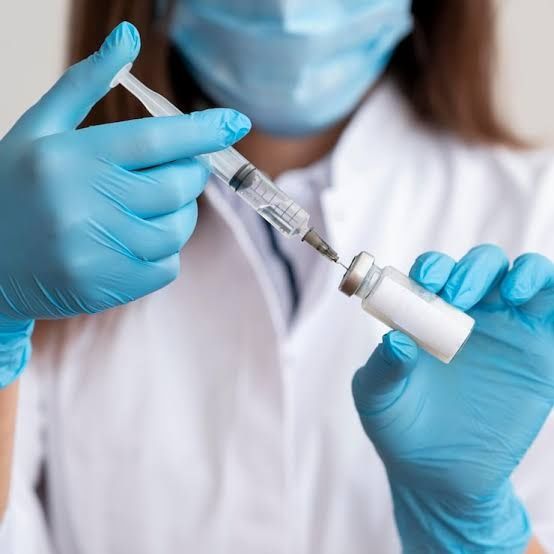
A nurse assistant in Seoul has been arrested after being discovered injecting herself with propofol, a controlled anaesthetic drug, during her inaugural shift at a dermatology clinic in Gangnam-gu on July 7. The 20-something woman, booked by Seoul Gangnam Police Station without physical detention, faces charges under the Narcotics Control Act while authorities expand their investigation into her conduct.
According to law enforcement, the woman obtained the substance after locating a discarded syringe containing propofol in a medical waste bin at the clinic. Rather than reporting the discovery or disposing of it properly, she elected to administer the drug to herself. The alarming incident unfolded on what should have been a routine first day of employment, raising immediate questions about both workplace safety protocols and personal judgment during the critical induction period.
Propofol presents significant medical dangers when misused outside clinical supervision. As a fast-acting intravenous sedative designed specifically for inducing anaesthesia in controlled operating environments, the drug carries substantial risks including respiratory depression, cardiovascular complications, and in severe cases, fatal outcomes. The decision to self-administer such a powerful substance without medical oversight or monitoring equipment demonstrates the acute hazards posed by inadequate drug storage and disposal practices in healthcare settings.
The Seoul police are now examining whether this incident represents an isolated lapse in judgment or indicates a broader pattern of substance abuse. Investigators are focusing particular attention on determining whether the arrested woman had engaged in habitual use of propofol or other controlled medications prior to this arrest. Such lines of inquiry become especially important given that she had only recently commenced employment, making it unclear whether she possessed prior opportunities to access similar substances or develop problematic dependencies.
This case arrives amid escalating concerns within South Korea's healthcare sector regarding the widespread availability and accessibility of medical narcotics. Advocacy groups and regulatory specialists have intensified calls for comprehensive reform of how anaesthetic drugs and other controlled substances are managed throughout the medical supply chain. Critics argue that current storage standards, handling procedures, and disposal protocols remain insufficiently rigorous to prevent unauthorised access or theft by healthcare workers or others with facility access.
Recent statistical data underscores the troubling scope of narcotic consumption across South Korea's population. According to figures released in June by the country's Drug Ministry and the Korea Institute of Drug Safety and Risk Management, approximately 20.2 million individuals received at least one prescription for a medical narcotic during 2025. This figure translates to roughly four in every ten South Koreans obtaining such medications annually, suggesting both the therapeutic ubiquity of these substances and the scale of potential exposure within the healthcare system.
The prevalence of narcotic prescriptions raises legitimate concerns about oversight mechanisms and abuse prevention strategies. While many patients receive appropriate prescriptions for legitimate pain management or surgical purposes, the sheer volume creates complexity for monitoring systems attempting to identify diversion, misuse, or theft. Healthcare facilities must balance patient access to necessary medications against implementation of security measures sufficiently stringent to prevent unauthorised consumption by staff members or visitors.
For Malaysian healthcare administrators and policymakers, the Seoul incident offers instructive lessons regarding workplace safety culture in medical environments. Similar vulnerabilities likely exist within Malaysia's own clinic and hospital systems, particularly in private dermatology practices and outpatient surgical centres where propofol and comparable anaesthetics are routinely employed. The incident demonstrates how inadequate waste management protocols and insufficient supervision of junior staff can create dangerous opportunities for substance abuse.
The broader pattern of rising narcotic abuse in South Korea reflects a challenge confronting many developed healthcare systems where advanced pain management options have become integrated into standard clinical practice. Unlike illegal drugs entering through traditional smuggling networks, medical narcotics already exist within institutional supply chains, requiring only opportunity and minimal initiative for diversion. Staff members with legitimate access face substantially different barriers to obtaining drugs compared to members of the general public, a reality that complicates prevention strategies.
Regulatory responses in South Korea are likely to emphasise enhanced tracking mechanisms, improved waste segregation and disposal procedures, and strengthened supervision protocols for newer staff members. These measures could serve as templates for review in other jurisdictions, including Malaysia, where medical narcotic abuse has emerged as a growing concern within healthcare facilities. Enhanced background screening, mandatory training on drug security awareness, and more frequent audits of controlled substance inventories represent potential components of comprehensive reform packages.
The arrest also raises questions about how healthcare facilities should respond when staff members demonstrate substance abuse issues. Rather than purely punitive approaches, some healthcare systems have developed intervention and rehabilitation pathways recognising that healthcare workers struggling with addiction represent a distinct population requiring both accountability and recovery support. The manner in which South Korean authorities and the clinic handle this case may establish precedents influencing how similar incidents are managed regionally.
Looking forward, this incident serves as a catalyst for renewed examination of security practices within Southeast Asian healthcare facilities. Malaysian hospitals and clinics should conduct comprehensive audits of their narcotic storage areas, waste disposal procedures, and staff supervision standards. Investment in secure medication cabinets with restricted access, robust inventory tracking systems, and regular staff training regarding controlled substance protocols represents foundational steps toward preventing similar incidents and protecting both patient safety and staff welfare.

