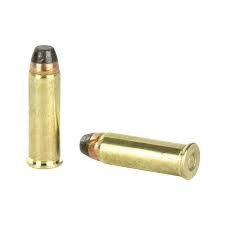
A member of South Korea's Gyeonggi province police force has become the subject of an active investigation by Jeju Island authorities after he attempted to board an aircraft while in possession of live ammunition. According to a statement from the Jeju Seobu Police Station released on July 3, the incident occurred on June 28 when the officer, described as being in his 30s, arrived at Jeju Airport with two live rounds intended for a .38-calibre pistol, the standard-issue handgun carried by most South Korean police personnel. Despite carrying ammunition, the officer was not armed with an actual firearm at the time he sought to travel.
The discovery of the ammunition emerged during routine screening procedures as the officer prepared to board a flight bound for Gimpo Airport. The circumstances surrounding how the rounds entered his possession only became apparent upon subsequent investigation, prompting formal charges of violating the Act governing the safety management of guns, swords and explosives. Authorities now seek to understand the precise chain of events that led to this security breach and what the officer intended to do with the ammunition upon arrival at his destination.
According to the officer's account to investigators, he had received the two bullets from a former colleague who had recently retired from the police force. This explanation raises questions about how retired law enforcement personnel handle firearm-related materials and whether proper protocols were followed during the transition period. The transfer of ammunition between officers, regardless of circumstances, represents a significant deviation from standard operating procedures in South Korea's tightly regulated firearms management system.
What makes this incident particularly noteworthy is that airport security at Gimpo failed to detect the ammunition when the same officer had previously boarded a plane on June 26 bound for Jeju without incident. This raises concerns about screening consistency across South Korea's aviation security infrastructure. The fact that the bullets were only discovered during the return journey suggests potential gaps in security protocols or equipment sensitivity at certain checkpoints.
The National Forensic Service's analysis confirmed that the recovered ammunition was designed specifically for the .38-calibre pistol, eliminating any possibility that these were unrelated items or ammunition for civilian purposes. This technical verification supports the gravity of the investigation, as it establishes that the officer possessed weaponry components directly connected to law enforcement operations. The standardisation of this calibre across the South Korean police force underscores how widely accessible such ammunition could theoretically become if proper storage and handling protocols are not rigorously maintained.
South Korea maintains among the world's strictest regulations governing civilian and law enforcement access to firearms and ammunition. For ordinary citizens, firearm ownership is virtually non-existent, with only licensed hunters and sport shooters permitted narrow exceptions under heavily monitored conditions. Police officers, despite their authorised access to weapons, are subject to equally stringent requirements mandating that all personal firearms and related materials must remain secured within the armoury facilities of their respective police stations when not actively in use during duty hours.
The implications of this case extend beyond the individual officer involved. It highlights potential vulnerabilities in how law enforcement agencies manage the transition when officers retire, particularly regarding the disposition of ammunition and other firearms-related materials. The fact that a recently retired officer was in a position to transfer live rounds to an active-duty colleague suggests that adequate oversight mechanisms may not exist to monitor what items leave police facilities when personnel end their service.
For Malaysian readers, this incident offers instructive parallels to regional security concerns. While Malaysia's internal security apparatus operates under different legislative frameworks, the fundamental challenges of maintaining strict controls over firearms and ammunition remain consistent across Asia-Pacific law enforcement agencies. The vulnerability demonstrated in this case—where screening systems initially failed to detect contraband ammunition—resonates with broader questions about aviation security effectiveness throughout the region.
The investigation by Jeju Seobu Police Station continues as authorities work to establish whether this was an isolated lapse in judgment or symptomatic of wider systemic issues within South Korea's police firearms management protocols. The incident underscores that even in nations with exceptionally strict gun regulations, procedural failures and individual indiscretion can create security risks. For a country that has experienced significant social unrest and maintains a complex geopolitical situation on the Korean Peninsula, maintaining absolute control over law enforcement weaponry represents a critical national security priority.

