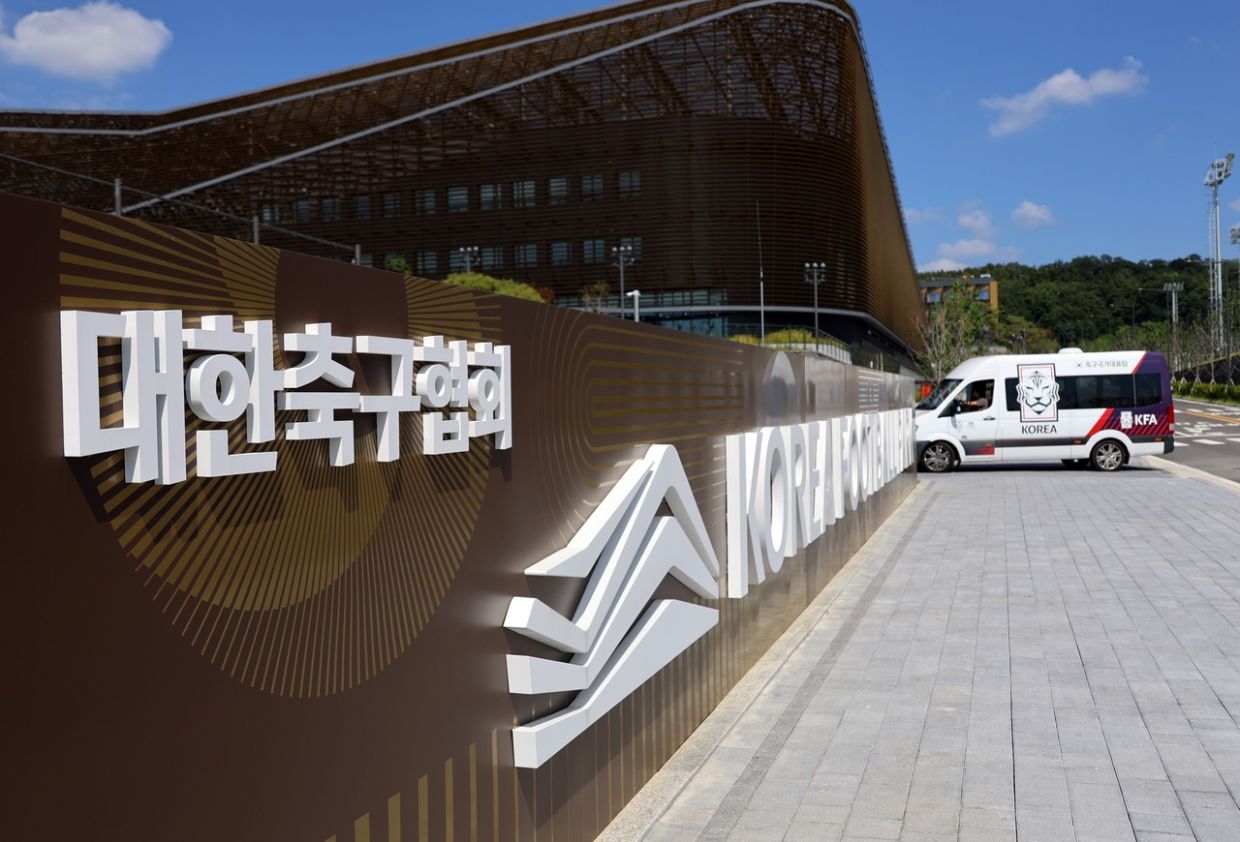
South Korea's football establishment faces mounting international embarrassment as Japan's governing body confirmed it is investigating four of its own referees suspected of receiving inappropriate entertainment as part of a sprawling bribery scheme that has now transcended national boundaries. The Japan Football Association formally acknowledged the inquiry on Sunday, August 9, just one day after the Korea Football Association issued a public apology seeking to contain what has become an increasingly damaging crisis for Asian football governance.
The scandal's roots stretch back over a decade to a routine audit conducted in 2016 by South Korea's Ministry of Culture, Sports and Tourism, but the revelations only surfaced publicly this month when broadcaster JTBC broke the story on August 6. According to the audit findings, the Korea Football Association allegedly used corporate credit cards at least eight times to pay for entertainment at massage establishments for approximately ten foreign referees and match commissioners involved in seven football matches played within South Korea's borders between March 2011 and March 2012. These contests included three World Cup qualifiers and Olympic qualifiers alongside four friendly internationals, all matches of varying significance to the national team's development and competitive record.
The South Korean national team compiled an impressive record of five wins, two draws and zero losses across these disputed matches, a result that has inevitably sparked speculation about whether match outcomes may have been manipulated through these entertainment inducements. Officials and football authorities in Seoul have consistently denied that referees' decisions were compromised, insisting that any misconduct was limited to inappropriate hospitality arrangements rather than match-fixing itself. Nevertheless, the optics remain deeply troubling for the sport's credibility across the region.
The Japan Football Association's involvement adds a significant international dimension to what many observers initially viewed as a domestic Korean scandal. Japanese media outlets have already identified two referees who allegedly received such entertainment, including one administrator now serving as a JFA referee manager with responsibility for overseeing J-League officials—the country's premier domestic competition. Another official identified in Japanese reporting previously led the four-man Japanese referee crew for South Korea's 2012 World Cup qualifier victory over Kuwait, a match cited in the original audit as involving entertainment arrangements for two match officials. However, some Japanese commentators have cautiously noted that simply officiating a match does not definitively confirm that any particular referee personally benefited from the alleged hospitality.
For Malaysia and other Southeast Asian football nations, the scandal carries broader implications about governance standards and integrity mechanisms throughout Asian football. The incident reveals systemic weaknesses in how football associations across the continent monitor and regulate financial expenditures, particularly discretionary spending on entertainment and hospitality. It also highlights the vulnerability of match officials to inappropriate influence, regardless of which nation they represent, and the relative ease with which such arrangements might escape detection for years before surfacing through internal audits.
The Korea Football Association's public apology, issued Saturday amid escalating pressure from multiple directions, acknowledged the severity of the reputational damage inflicted upon the organisation. The statement expressed deep regret for the disappointment and concern caused by the controversies, explicitly rejected the conduct in question, and committed to comprehensive institutional reforms designed to restore public confidence in financial transparency and operational integrity. However, observers note that expressions of contrition, while politically necessary, do little to address questions about how such practices persisted undetected and unchecked for such an extended period.
The timing of the revelations has compounded the Korea Football Association's difficulties, arriving amid separate governance controversies including a parliamentary hearing into broader association management and a police raid the previous week connected to the separate 2024 hiring dispute involving former national team coach Hong Myung-bo. These overlapping crises suggest systemic problems extending beyond isolated misconduct, painting a picture of an institution struggling with accountability and institutional safeguards across multiple operational domains.
Regarding potential international football consequences, the prospect of formal sanctions from FIFA appears limited despite speculation in some international outlets about possible punitive measures. FIFA's ethics code typically imposes statute of limitations periods ranging from five to ten years for most violations, placing this conduct outside the scope of enforceable discipline given the decade-long gap between the alleged incidents and their public disclosure. Furthermore, the conduct in question, while ethically indefensible, likely falls outside FIFA's narrower and unlimited liability category reserved for sexual abuse or exploitation cases. Additionally, the majority of referees implicated in the audit have since retired from active duties, further limiting the practical utility of disciplinary action.
A related criminal investigation conducted by South Korean authorities was previously terminated for insufficient evidence, establishing a legal precedent that formal charges would face significant evidentiary barriers. This outcome underscores the challenge of proving intent and causation in match-fixing allegations, particularly when the focus centres on hospitality rather than explicit quid pro quo arrangements. For Southeast Asian football administrators, the case demonstrates how financial irregularities and inappropriate entertainment practices can persist for years before detection, even within organisations that undergo regular audits.
The international football community's response will likely focus on institutional reforms and enhanced transparency requirements rather than retrospective punishment. For regional organisations including Malaysian football authorities, the scandal serves as a cautionary example about the necessity of robust internal controls, transparent financial reporting, and clear ethical guidelines that prevent ambiguity about appropriate spending practices. The incident also underscores the importance of timely disclosure and rapid investigation when financial irregularities are discovered, rather than allowing delayed revelations to compound institutional credibility damage.
As investigations proceed in both countries, the focus will shift toward understanding how such arrangements gained institutional acceptance and identifying systemic vulnerabilities that permitted their continuation. The scandal reflects broader challenges within Asian football governance regarding accountability standards, financial oversight, and the protection of match integrity—issues that extend well beyond the Korea Football Association and demand collective attention from the region's football bodies to prevent similar crises elsewhere.

