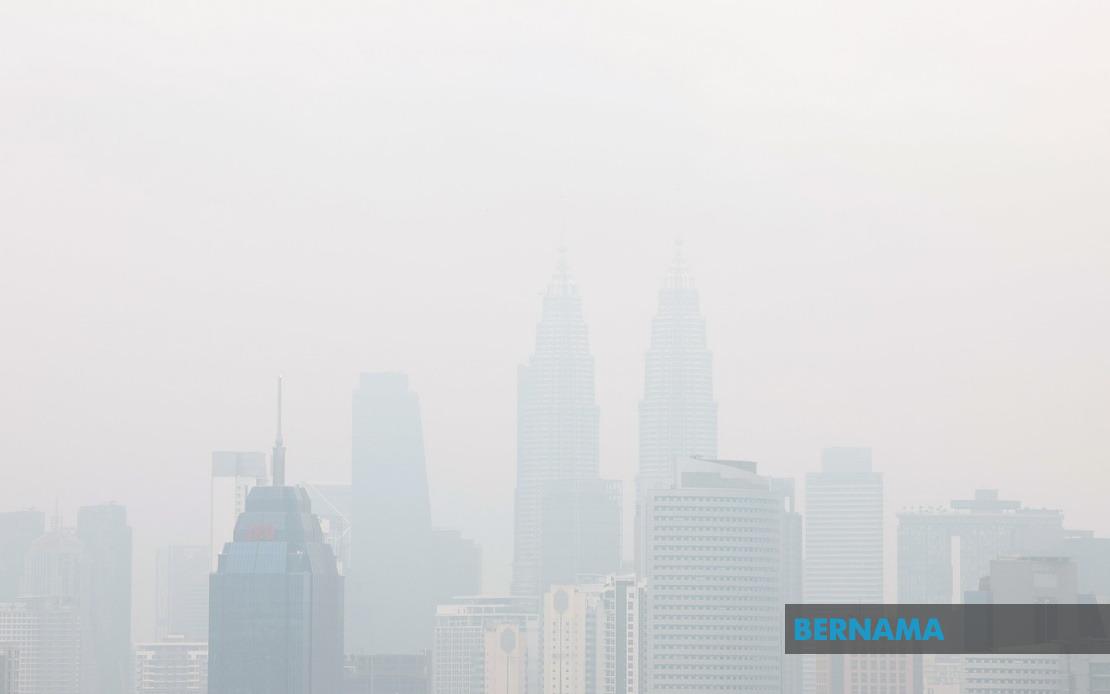
Air quality across southern ASEAN faces a concerning deterioration in the coming days as prolonged dry conditions create ideal circumstances for smoke haze to intensify and spread, according to warnings from the ASEAN Specialised Meteorological Centre. The regional monitoring body cautioned that if the current weather pattern persists, transboundary haze risks could escalate significantly, affecting millions of residents already experiencing degraded air quality from active hotspots in Indonesia.
Indonesia's peatlands and forests continue to generate substantial smoke plumes, with the ASMC documenting moderate to dense accumulations across West, Central and South Kalimantan as well as expansive areas throughout central and southern Sumatra. These fire-prone regions are releasing considerable volumes of particulate matter into the atmosphere, creating hazardous conditions that meteorologists expect will spread further afield as meteorological patterns shift. The centre also identified scattered hotspot clusters detected across various Indonesian territories, suggesting fire activity remains widespread rather than concentrated in isolated pockets.
Malaysia has already begun experiencing the consequences of this transboundary pollution. As of Wednesday morning, 17 locations distributed across six states plus both Federal Territories—Kuala Lumpur and Putrajaya—registered unhealthy Air Pollutant Index readings. The affected areas span Selangor, Perak, Melaka, Johor, Negeri Sembilan and western Peninsular Malaysia generally, demonstrating that the haze impacts extend well beyond the peninsula's eastern coastal zones typically associated with seasonal pollution.
Sarawak has emerged as particularly vulnerable, with three monitoring stations reporting unhealthy air quality that suggests proximity to major smoke plume trajectories. Sri Aman recorded the worst reading at 167 on the API scale, whilst Serian's police headquarters and Samarahan both exceeded 160, indicating conditions where respiratory health risks become pronounced for sensitive populations including children, elderly residents and those with preexisting respiratory conditions. These readings transcend the "moderate" threshold where general populations might experience minor discomfort, entering territory where health advisories typically recommend limiting outdoor activities.
The meteorological picture underlying this deterioration revolves around wind patterns expected to persist across the region. The ASMC indicated that prevailing southeastern to southwestern winds will continue channelling smoke masses southwestward, which fundamentally shapes the geographic distribution of air pollution. Malaysia's location relative to Indonesian fire zones means the country sits directly downwind of major smoke sources during this season, a geographic misfortune that repeats annually but varies considerably in severity depending on fire activity and climatic conditions.
Unlike Malaysia's concerning situation, Singapore has thus far experienced more moderate pollution levels, with the 24-hour Pollutant Standards Index reading between 59 and 78 points as of Wednesday afternoon. The republic's central region recorded the higher end of this range, yet these readings remain comfortably within the moderate category where the general population faces minimal health concerns. Singapore's southern geographic position and different prevailing wind patterns provide some protective effect, though officials continue monitoring for potential deterioration.
The ASMC's warning carries particular significance for Malaysia given the country's vulnerability to Indonesian fire smoke during the dry season. Unlike some transboundary pollution sources that occur sporadically, seasonal haze from Indonesian peatlands and forests represents a recurring challenge that strains public health resources, disrupts economic activity and affects quality of life across multiple states simultaneously. The confluence of active hotspots, dry meteorological conditions and favorable wind trajectories creates a tripartite hazard scenario where each element reinforces the others.
Malaysians should understand that the present situation reflects underlying climate and land-use dynamics rather than isolated incidents. Indonesia's extensive peatland areas, particularly across Kalimantan and Sumatra, represent carbon-rich ecosystems highly susceptible to burning during drought periods. When combined with agricultural clearing practices and inadequate fire management, these regions transform into smoke-generating zones affecting the broader Southeast Asian region. The phenomenon underscores interdependencies that ASEAN nations cannot resolve unilaterally, requiring coordinated environmental and agricultural policies.
For Malaysian residents in affected areas, the ASMC's forecast suggests preparation rather than panic. Air quality typically fluctuates throughout each day, with afternoon peaks frequently followed by evening improvements as atmospheric mixing patterns change. Monitoring real-time API readings through official channels remains essential for making informed decisions about outdoor activities and protective measures. Vulnerable populations should particularly heed air quality alerts and consider indoor air purification where feasible.
The coming weeks will determine whether current dry conditions represent a temporary spike or herald an extended regional haze episode. ASMC's continued monitoring and assessment will provide crucial information for government agencies coordinating public health responses, transportation safety measures and bilateral environmental discussions. Understanding that transboundary haze reflects larger regional environmental challenges rather than temporary weather anomalies underscores the importance of sustained policy attention to land management and climate adaptation across Southeast Asia.

