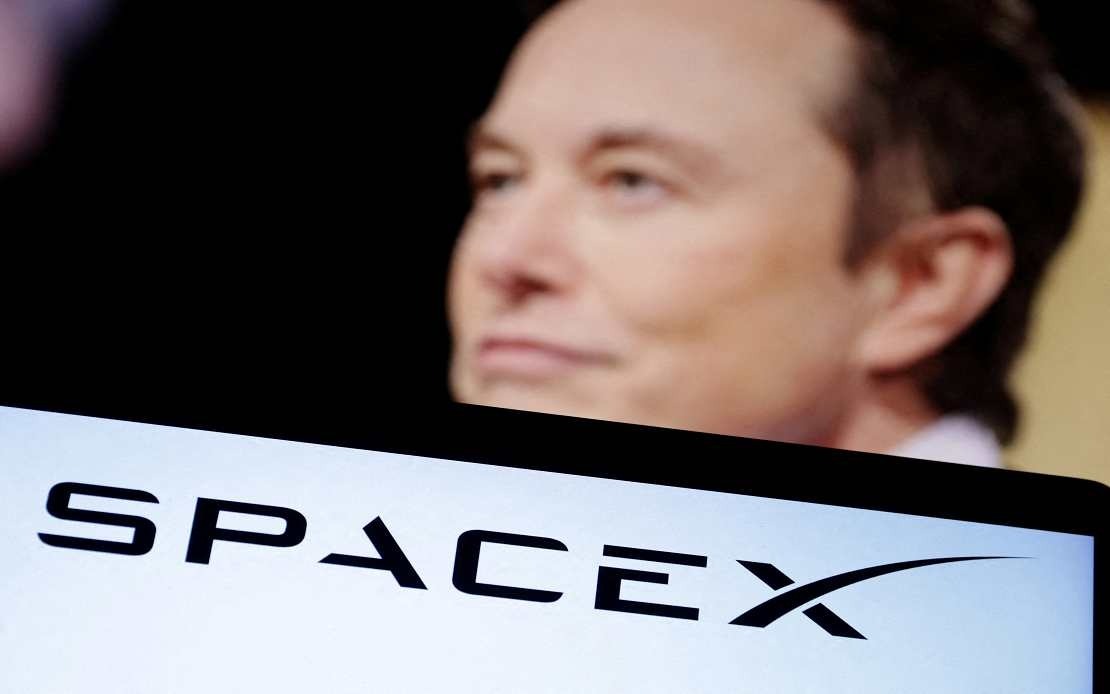
Elon Musk's SpaceX has demonstrated significant operational momentum despite persistent losses, reporting a quarterly shortfall of US$541 million as the space transportation company capitalises on its historic June initial public offering. The result represents substantial improvement from the roughly US$1 billion loss posted in the corresponding period a year ago, signalling that the company's aggressive expansion strategy is beginning to translate into narrower financial deficits even as it continues investing heavily in breakthrough technologies.
The financial turnaround centres on explosive revenue growth that outpaced market expectations considerably. Total quarterly revenue climbed approximately 92 per cent year-on-year to US$7.8 billion, substantially exceeding the consensus estimate of around US$6.9 billion that analysts had projected beforehand. This performance underscores investor confidence in SpaceX's core business model and validates the company's positioning as a transformative force within the aerospace sector, a narrative that resonated powerfully during its landmark capital raise.
Starlink, the company's satellite internet constellation, continues serving as the financial engine driving growth across the organisation. The broadband service generated approximately US$4.3 billion in revenue during the quarter, representing nearly two-thirds growth compared with the prior year period. This acceleration reflects both geographic expansion into new markets and deepening penetration within existing territories, where adoption among commercial customers—particularly airlines implementing in-flight connectivity solutions—has accelerated meaningfully.
Customer acquisition for Starlink proceeded at a healthy pace, with the subscriber base expanding from 10.3 million to 12 million users over the three-month interval. This trajectory indicates sustained demand for satellite-based broadband solutions, particularly in regions where terrestrial infrastructure remains limited or prohibitively expensive to deploy. For Malaysia and other Southeast Asian nations grappling with digital divide challenges in rural and remote areas, Starlink's expansion raises important questions about future competition in the regional connectivity landscape.
Operating profit metrics demonstrated even more dramatic improvement than headline revenue figures. The company's operating profit surged 80 per cent to approximately US$1.66 billion, indicating that revenue growth is translating into improving operational leverage as the business scales. This metric proves particularly relevant for assessing whether SpaceX's path toward profitability remains credible, notwithstanding the substantial net losses still dominating the income statement.
SpaceX's ambitions extend well beyond its established satellite internet business. The company intends to deploy new satellite technology enabling direct smartphone connectivity through the Starlink network, a capability that would position it as a direct competitor to traditional telecommunications providers globally. This strategic pivot carries profound implications for regional telecom operators in Southeast Asia, potentially disrupting conventional business models that have dominated for decades. The prospect of a privately-held American company offering direct competition through space-based infrastructure presents regulatory and competitive challenges that policymakers across the region must contemplate.
The company's public market debut in mid-June established a remarkable precedent within capital markets. SpaceX completed its initial public offering at US$135 per share, generating US$75 billion in fresh capital and establishing an initial enterprise valuation approaching US$1.8 trillion. This valuation appeared divorced from near-term profitability metrics, reflecting instead investor enthusiasm for the company's technological trajectory and the enormous addressable markets it targets. The IPO price commanded premium valuations relative to traditional aerospace contractors, a risk premium justified by management through references to prospective artificial intelligence applications and next-generation space infrastructure opportunities.
Market sentiment toward SpaceX shares has proven volatile since the public debut. Retail investor enthusiasm propelled the stock price above US$225 in the weeks immediately following the IPO launch, generating substantial paper gains for early shareholders. However, more recent trading has reversed these gains considerably, with the share price settling around US$125 by Tuesday's close—below the original US$135 issue price. This repricing reflects profit-taking by early investors alongside broader market recalibration of space sector valuations following the earnings announcement.
The timing of SpaceX's financial results carries additional significance due to pending developments in share supply dynamics. The company's lock-up period, which restricts early investors and company insiders from selling their holdings, expires on Thursday following the earnings announcement. This expiration typically unleashes substantial share supply pressure as holders of restricted stock seek to monetise positions accumulated at valuations far below the IPO price. Investors remain closely attuned to whether this supply surge will further pressure the stock price lower.
Beyond financial performance, SpaceX has achieved indispensability within the American space programme ecosystem. The company provides essential launch services and infrastructure that the United States government relies upon for national security, scientific missions, and strategic space capabilities. This dependency strengthens SpaceX's competitive moat and provides revenue stability through contractual arrangements with government agencies, a factor supporting the company's long-term valuation thesis despite near-term profitability challenges.
Capital intensity remains among SpaceX's defining characteristics and primary drag on profitability. The company continues investing aggressively in its Starship super-heavy-lift launch vehicle, currently undertaking a series of test flights intended to validate its design and operational capabilities. Starship promises to revolutionise space transportation economics by reducing per-kilogram costs to orbit dramatically, potentially unlocking entirely new categories of space-based applications and missions. These substantial development expenditures, while necessary for long-term competitive positioning, suppress near-term earnings and explain the persistent losses despite stellar revenue growth.
For Malaysian observers and regional policymakers, SpaceX's trajectory illustrates the profound disruption that space-based technologies and American commercial space enterprises may impose upon existing infrastructure industries. The convergence of satellite broadband services, direct-to-smartphone connectivity, and dramatically reduced launch costs creates scenarios where traditional telecom operators face new competitive dynamics. Southeast Asian governments must contemplate regulatory frameworks that protect consumer interests while accommodating beneficial technological innovation from space-based competitors.

