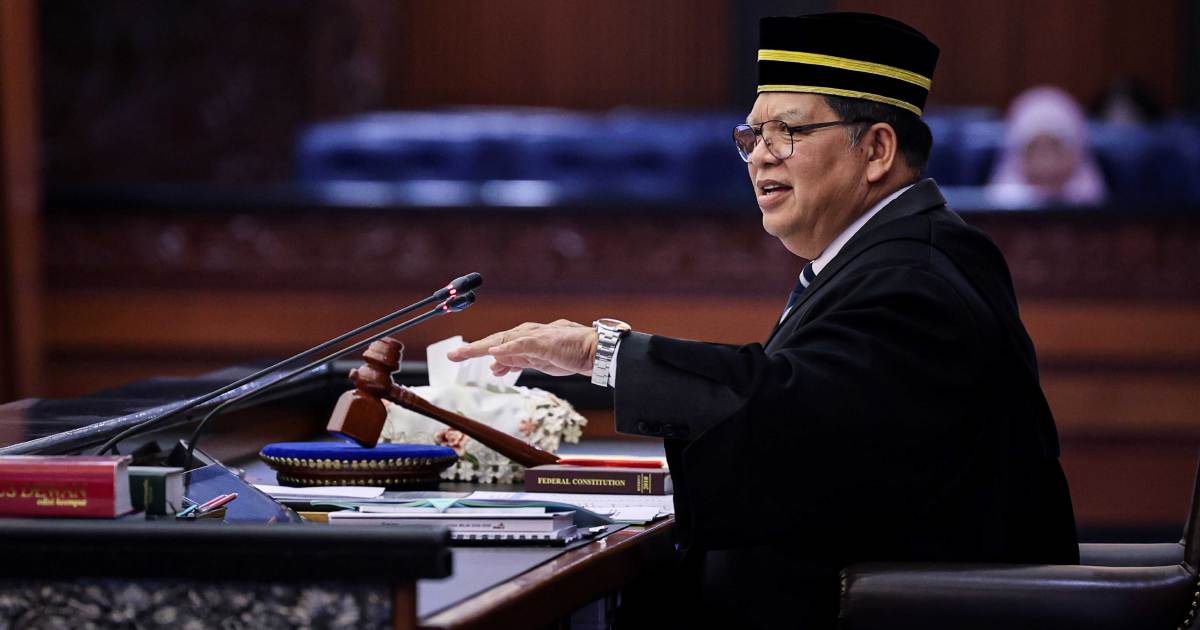
Dewan Rakyat Speaker Tan Sri Johari Abdul has issued a pointed reminder to members of parliament regarding their attendance obligations, underscoring that parliamentary sessions require consistent physical presence and that absence without legitimate justification cannot be tolerated.
The Speaker's statement addresses a persistent concern within Malaysia's legislative chamber, where irregular attendance by elected representatives can undermine the effectiveness of parliamentary proceedings and erode public confidence in the institution itself. Members are expected to fulfil their constitutional duty to participate in deliberations that shape national policy, scrutinise government actions, and represent their constituencies' interests.
Parliamentary attendance records carry significant weight in Malaysian political life. The Dewan Rakyat operates on the principle that members have a solemn obligation to their voters and the nation to be present during scheduled sittings. When MPs fail to appear without acceptable explanation, it raises questions about their commitment to their representative role and their constituents' concerns.
The Speaker's emphasis on "valid reason" suggests that while the chamber recognises legitimate circumstances warranting absence—such as serious health issues, official government duties, or family emergencies—casual or unexplained non-attendance represents a breach of parliamentary responsibility. This distinction matters because it establishes an accountability framework while acknowledging that unforeseen circumstances can arise.
Absenteeism in parliament carries both symbolic and practical consequences. Symbolically, it signals to the public that some representatives take their mandate lightly, potentially undermining trust in democratic institutions at a time when public engagement with parliament is already limited. Practically, low attendance can compromise the chamber's quorum requirements and reduce the quality of debate when key voices are missing from critical discussions.
Malaysia's parliament has periodically grappled with attendance challenges, with various speakers implementing measures to encourage better participation. The reminder from Tan Sri Johari reflects an ongoing institutional effort to maintain standards and ensure that the 222-seat chamber functions as intended, with members actively engaged in their legislative responsibilities rather than treating their seats as ceremonial positions.
The Speaker's directive also carries implications for party discipline. Political parties bear responsibility for encouraging their members to attend parliamentary sessions, as absences can be attributed to either individual neglect or systemic failures in party organisation. Some parties have stricter internal protocols requiring members to justify any absence, while in others, attendance enforcement remains looser.
For the broader Malaysian political landscape, maintaining parliamentary standards gains importance amid ongoing debates about governance quality and institutional strength. A fully attended parliament—where representatives actively debate, question, and legislate—projects an image of functional democracy and serious engagement with national business. Conversely, frequent absences feed narratives of indifference and undermine the legitimacy of parliamentary decisions.
The Speaker's authority to enforce attendance standards is constrained but real. While parliament cannot easily impose penalties for missing sessions beyond reputational consequences and potential party discipline, the Speaker's public reminders serve as both warnings and invitations for members to reflect on their duties. The formal tone suggests that future absences without valid justification may face escalated scrutiny.
For constituents, understanding their representatives' attendance records offers a practical measure of engagement. Many voters never consider whether their MP regularly appears in parliament, yet consistent attendance is arguably a baseline expectation for anyone holding elected office. As public access to parliamentary records and attendance figures improves, citizens gain tools to hold their representatives accountable.
The statement also addresses a perception that some MPs view their positions primarily as platforms for advancing personal or party interests through media appearances and constituency events, rather than viewing parliament itself as the central venue for their work. While constituency engagement matters, the legislative chamber remains where laws are made, budgets are approved, and government accountability happens.
Moving forward, Tan Sri Johari's reminder may encourage internal party measures to improve attendance and individual MPs to reconsider their parliamentary commitments. The effectiveness of such reminders ultimately depends on whether they translate into cultural change within parliament and among political parties themselves. For Malaysia's democracy to function at its best, sustained parliamentary engagement from all 222 members represents a non-negotiable foundation for responsible governance.