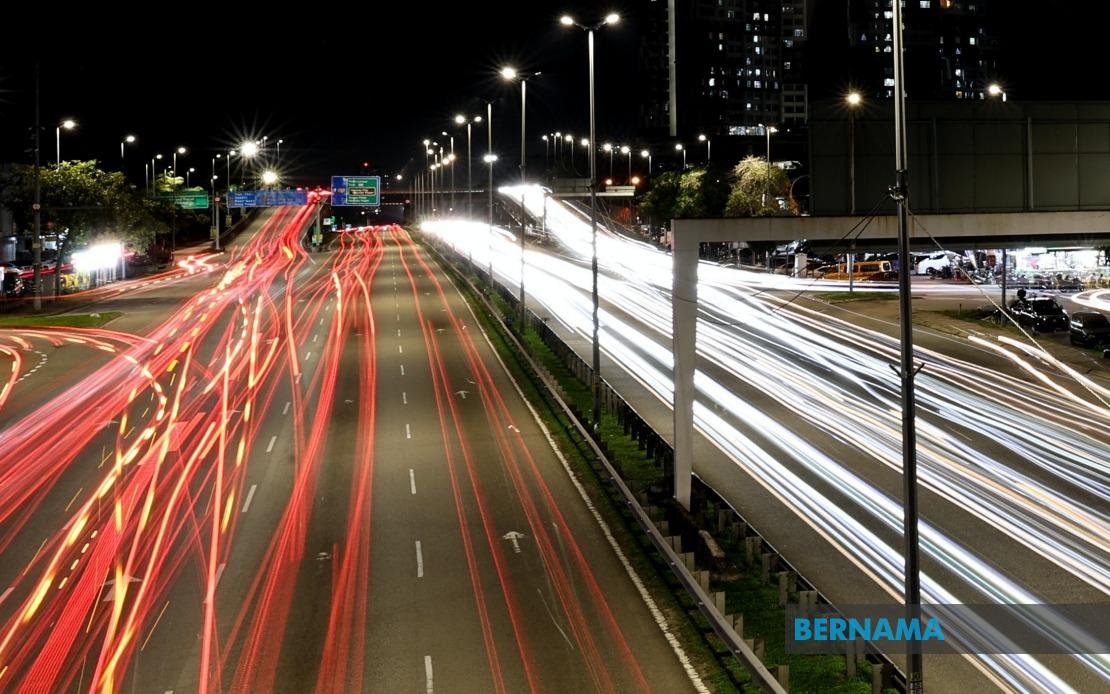
Malaysia has moved decisively to crack down on unauthorized speed testing, with the Dewan Negara approving the Road Transport (Amendment) Bill 2026 after a debate wound up by Deputy Transport Minister Datuk Hasbi Habibollah on July 21. The legislation establishes that individuals cannot use public roadways—regardless of whether they are straight sections or otherwise—to assess the performance capabilities of motorcycles, cars, or other motor vehicles, even when operating vehicles independently rather than in organized racing events with multiple participants.
The scope of the new law represents a significant expansion of existing traffic enforcement measures. Previously, authorities primarily focused on curbing organized illegal racing where participants competed against one another on public streets. The amendment, however, extends culpability to solo drivers or riders who use public thoroughfares as makeshift testing grounds, fundamentally shifting how the authorities approach vehicular performance demonstrations. Datuk Hasbi emphasized that such activities should exclusively occur in dedicated facilities designed for high-speed operations, such as professional racetracks or licensed testing venues equipped with proper safety infrastructure.
Under the new Section 42A(2) incorporated into the Road Transport Act 1987, individuals participating in speed testing involving one or more motor vehicles on public roads now commit a specific offence with clearly defined penalties. Conviction carries mandatory fines ranging from a minimum of RM2,000 to a maximum of RM10,000, supplemented by potential custodial sentences stretching up to two years, or both penalties simultaneously. These escalated consequences reflect legislative intent to establish speed testing as a serious public safety concern rather than a minor traffic violation.
The distinction between speed testing and conventional speeding—such as exceeding posted speed limits during normal driving—requires further clarification through regulatory channels. Deputy Minister Datuk Hasbi indicated that additional details distinguishing these two categories will emerge following formal gazetting of the Road Transport Act amendments. This distinction matters significantly for enforcement officers who must determine whether a driver has committed ordinary speeding or the more serious offence of deliberate speed capability assessment on public thoroughfares.
The passing of the Road Transport (Amendment) Bill 2026 reflects growing governmental concern regarding motorsport culture in urban and suburban areas. Street racing and related activities have contributed to numerous traffic accidents, fatalities, and property damage across Malaysian highways and city roads. The new legislation targets not only organized racing syndicates but also individual enthusiasts who exploit public infrastructure for personal vehicular performance evaluation, addressing a gap in previous regulatory frameworks that struggled to address solo speed testing incidents.
For Malaysian motorists, the amendment creates clearer legal boundaries regarding permissible road use. Commercial drivers, delivery personnel, and ordinary commuters face no additional restrictions, as the law specifically targets deliberate speed testing rather than inadvertent speeding. However, automotive enthusiasts accustomed to occasionally testing acceleration capabilities on empty roads must now recognize such activities as criminal conduct subject to substantial penalties. The measure establishes a bright-line rule: public roads are exclusively for transportation, not performance evaluation.
The legislation also carries implications for insurance companies and vehicle owners in Malaysia. Individuals convicted of speed testing may experience insurance premium increases, policy cancellations, or difficulty obtaining coverage—consequences extending beyond court-imposed fines and imprisonment. Additionally, vehicle registration authorities may impose driving license suspensions or endorsements affecting future driving privileges, compounding the legal and financial impact of conviction.
Southeast Asian neighbors have implemented varying approaches to speed testing regulation. Singapore employs strict vehicle modification laws and active enforcement on public roads, while Thailand has experienced mixed effectiveness in curbing illegal racing despite similar legislative provisions. Malaysia's approach, emphasizing explicit criminal penalties for speed testing specifically, positions the country as among the region's more rigorous jurisdictions in addressing this issue. The law signals governmental determination to prioritize public safety over accommodating motorsport enthusiast activities on shared roadways.
Enforcement challenges remain significant, however. Police officers must develop standardized criteria for distinguishing speed testing from ordinary speeding violations, requiring training and consistent application protocols. Collecting evidence of deliberate speed assessment—rather than momentary excessive speed—presents investigative complexity. Nevertheless, the clear statutory language and defined penalties provide law enforcement with robust legal tools to prosecute offenders systematically.
The bill's passage indicates broader legislative momentum toward addressing road safety concerns in Malaysia. Recent years have witnessed escalating fatal traffic incidents, prompting policymakers to implement successive regulatory amendments targeting high-risk driving behaviors. Speed testing criminalization complements concurrent efforts addressing street racing, illegal vehicle modifications, and dangerous driving practices. The cumulative effect aims to fundamentally reshape driving culture and elevate public consciousness regarding road safety responsibilities.
Public reaction to the legislation has been mixed. Road safety advocacy organizations generally supported the measure, emphasizing protection of other road users from reckless behavior and associated accident risks. Automotive enthusiast communities expressed reservations, arguing that enthusiasts should access designated testing facilities more readily or petition for sanctioned speed-testing events. Government officials, however, maintained that public roads cannot accommodate performance testing regardless of driver skill levels, as unpredictable circumstances—pedestrians, other vehicles, weather conditions—eliminate safety guarantees inherent in professional racing facilities.
Moving forward, the government faces implementation responsibilities extending beyond legislative passage. The Road Transport Act amendments require detailed regulatory guidelines addressing enforcement practices, officer training, and public education campaigns. Deliberate speed testing must be clearly explained to Malaysian drivers through transportation ministry communications, ensuring widespread understanding of the new legal landscape. Additionally, authorities must balance enforcement against motorist education, potentially offering amnesty periods or reduced penalties for first-time violators demonstrating awareness of the new requirements.

