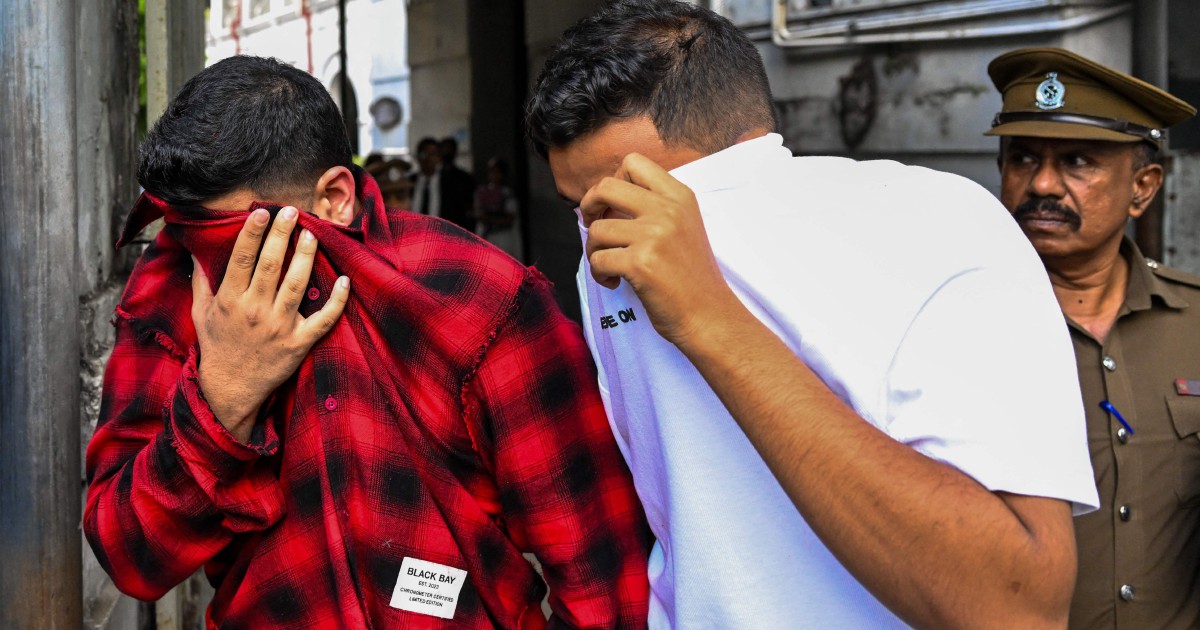
A Colombo court has ordered that an Indian businessman serving as co-owner of a Lanka Premier League franchise be detained in prison as investigations continue into allegations that he attempted to offer bribes to five cricketers in exchange for match-fixing arrangements. The judicial decision, handed down on Friday, keeps the accused in custody through the remainder of the month as authorities pursue the case. The charges reflect ongoing concerns about corruption within South Asian cricket, a sport with a substantial following and financial stakes across the region.
The Lanka Premier League, established as Sri Lanka's premier domestic T20 competition, has attracted significant investment and international interest since its inception. As a relatively new tournament seeking to establish credibility alongside other regional leagues, the franchise-based format depends heavily on maintaining integrity and public confidence. The involvement of foreign investors in team ownership is common across such tournaments, yet this incident underscores the vulnerabilities that arise when individuals with significant financial interests attempt to manipulate outcomes.
Match-fixing represents one of cricket's most serious threats, capable of undermining the sport's competitive credibility and eroding fan trust. When attempts to corrupt matches involve direct financial inducements to players, authorities treat such matters with particular gravity. The targeting of five cricketers simultaneously suggests an organized effort rather than an isolated impropriety, indicating a more systemic approach to compromising the competition's integrity.
The remand decision indicates that Sri Lankan courts have found sufficient evidence to justify continued detention during the investigative phase. Remand orders in cricket-related corruption cases typically hinge on multiple factors: the seriousness of the allegations, the risk of flight, potential interference with witnesses or evidence, and the defendant's financial means. The court's determination to keep this co-owner in custody suggests investigators view the case as substantive and potentially consequential.
For Malaysian readers and the broader Southeast Asian cricket community, this development carries particular relevance given the region's established presence in global cricket and its susceptibility to similar corruption vulnerabilities. Countries including Malaysia, with domestic T20 leagues and cricket boards, face comparable risks as domestic tournaments attract international investment and generate substantial wagering activity. The case serves as a cautionary example of how financial incentives can tempt individuals with access to teams and players.
Sri Lankan cricket authorities will likely face pressure to demonstrate that their governance structures and anti-corruption protocols are sufficiently robust to detect and prevent such attempts. The Lanka Premier League's reputation depends partly on how decisively officials respond to such allegations. Enhanced monitoring systems, player education about match-fixing risks, and cooperation between law enforcement and cricket administrators become increasingly important as the tournament aims to establish itself as a premier regional competition.
The broader implications extend to how cricket boards across South Asia manage relationships with overseas investors and franchise owners. Due diligence procedures, background checks, and clear codes of conduct become essential tools for protecting tournament integrity. The International Cricket Council's anti-corruption unit typically works with national cricket boards to develop frameworks addressing these risks, and this incident may prompt renewed emphasis on such protocols throughout the region.
For the five cricketers allegedly targeted in the bribery attempt, this case presents complex circumstances. Players who report such approaches or cooperate with investigations face both professional considerations and personal security concerns. How tournament authorities and cricket boards support and protect these individuals can significantly influence whether other players feel empowered to report similar incidents in the future, making whistleblower protections an essential component of any comprehensive anti-corruption strategy.
The investigation's progression will likely extend beyond the initial remand period, potentially involving multiple hearings as evidence is gathered and legal proceedings advance. Outcomes in high-profile cricket corruption cases often take months or years to conclude, during which public attention fluctuates but underlying questions about governance and integrity remain central to discussions about the sport's future across South Asia.

