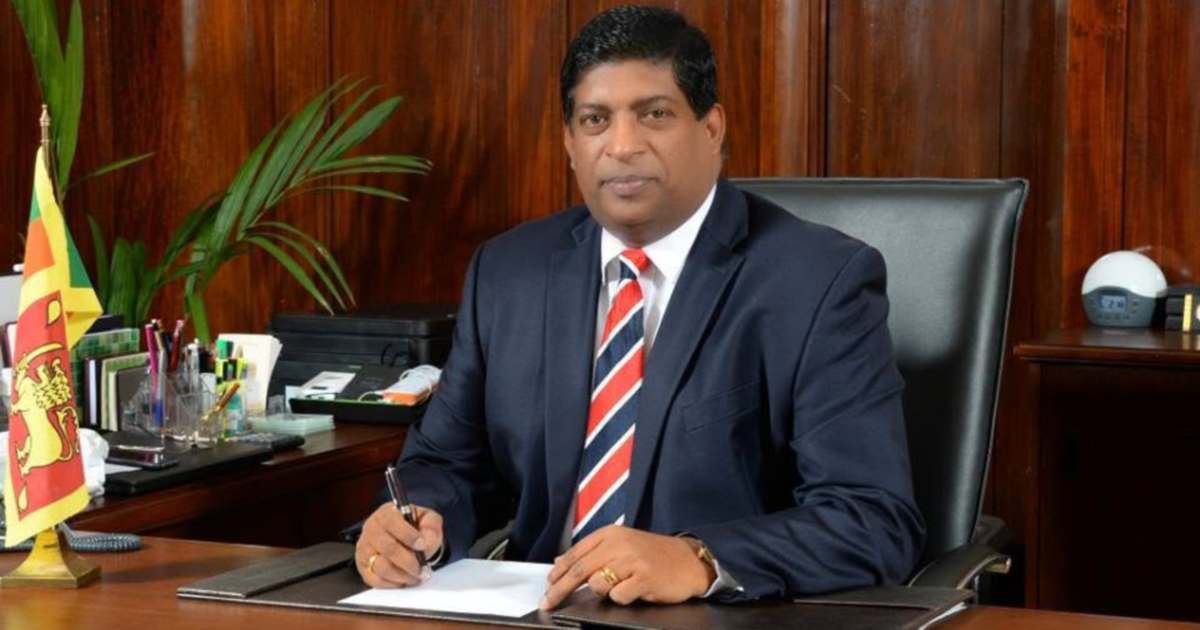
Ravi Karunanayake, who previously served as finance minister in Sri Lanka, was taken into custody on Monday following allegations that he channelled government resources toward compensating staff employed by his private interests. The arrest, confirmed by Sri Lanka's primary anti-corruption agency, represents a significant development in ongoing investigations into financial impropriety among the island nation's political elite.
The detention underscores deepening scrutiny of how public funds are managed at the highest levels of government in Sri Lanka. The country has faced considerable economic headwinds in recent years, with fiscal discipline becoming an increasingly central concern for both domestic observers and international creditors. Such high-profile cases involving senior figures carry particular weight in a nation already grappling with public confidence in its institutions.
Corruption investigations targeting former ministers and senior officials have accelerated in Sri Lanka's recent political climate, reflecting public pressure for accountability. The anti-corruption body's decision to arrest Karunanayake signals a willingness to pursue allegations regardless of the prominence of those involved. This approach mirrors broader regional trends across South Asia, where several countries have intensified efforts to address governance failures and misappropriation.
For Malaysia and other Southeast Asian observers, the Sri Lankan case offers instructive parallels regarding the mechanisms through which state resources can be diverted and the institutional responses required to counter such practices. The specificity of the allegation—using government money for private payroll—represents a method of embezzlement that regulatory bodies across the region have identified as particularly prevalent in bureaucracies with weak oversight mechanisms.
The timing of such arrests often reflects shifts in political power dynamics. Changes in government administration frequently trigger renewed investigations into predecessors' conduct, a pattern witnessed across multiple South Asian democracies. Understanding whether Karunanayake's detention represents part of a systematic anti-corruption drive or a more politically motivated prosecution remains important context for assessing Sri Lanka's governance trajectory.
Sri Lanka's economic recovery following its 2022 financial crisis has made financial accountability particularly salient. International bailout programmes typically include governance benchmarks, meaning that demonstrated willingness to prosecute corruption can influence foreign investor confidence and international creditor relationships. The country's anti-corruption authorities operate within this complex environment, where institutional legitimacy depends partly on pursuing cases consistently and fairly.
The specific allegations against Karunanayake—concerning state funds directed toward private employment obligations—reflect a category of financial misconduct that audit bodies throughout Asia have struggled to prevent. Such schemes often exploit ambiguities in fund categorization and rely on layers of intermediary transactions that complicate forensic accounting. Modern anti-corruption frameworks across the region increasingly emphasize digital financial tracking and enhanced transparency measures as countermeasures.
The political landscape surrounding such prosecutions in South Asia frequently involves complex considerations of timing, leverage, and factional interests. While allegations of genuine misconduct merit serious investigation and appropriate legal process, observers in the region have noted that corruption cases can sometimes be weaponized within competitive political environments. The challenge for Sri Lankan institutions lies in maintaining credibility by demonstrating that investigations are pursued according to consistent legal standards rather than political convenience.
Regional implications of Sri Lanka's anti-corruption initiatives extend beyond the island's borders. As an Indian Ocean hub with significant geopolitical and economic importance, Sri Lanka's governance standards influence regional stability and international confidence in South Asian institutions more broadly. Effective corruption control mechanisms strengthen democratic legitimacy, while perceived selective prosecution erodes institutional trust among both domestic constituencies and external observers.
For Malaysian stakeholders, the Sri Lankan experience provides useful reference points regarding how financial misconduct investigations proceed in comparable democratic systems facing economic constraints. The capacity of anti-corruption bodies to operate independently, resource their investigations adequately, and pursue cases through functional judicial systems remains central to whether such agencies achieve meaningful deterrent effects.
As Karunanayake faces the legal process ahead, the case will likely generate ongoing scrutiny of broader accountability frameworks in Sri Lankan government. The former minister's detention marks a crucial test of whether the country's institutional mechanisms can address senior-level financial impropriety credibly and consistently, a challenge equally relevant across Southeast Asia where strengthening governance remains foundational to sustainable development.

