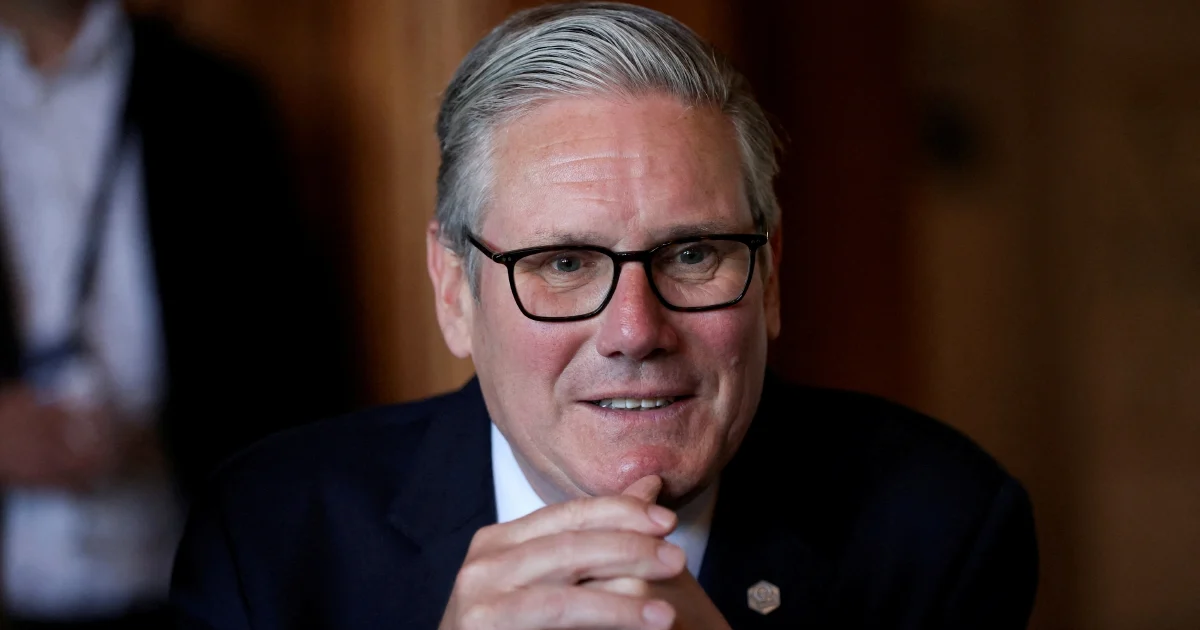
Prime Minister Keir Starmer has been thrust into the centre of conflicting narratives about his political future, after the Observer newspaper published predictions of his imminent resignation, even as officials moved swiftly to counter such claims. The widely-read Sunday paper suggested the Labour leader intended to formally announce his departure on Monday and unveil a schedule for handing over power, allegations that triggered immediate responses from Downing Street seeking to extinguish the story.
The timing of such speculation reflects the intense pressures facing the British government in recent weeks, with backbench dissatisfaction and public opinion challenges creating a backdrop of instability. Media outlets across the United Kingdom have grown increasingly attentive to any signs of weakness within the administration, making unverified reports about senior figures capable of generating significant political turbulence. The Observer's claims, if substantiated, would represent a dramatic shift in the prime ministerial landscape and signal a fundamental rupture within Labour's governing structure.
A Downing Street source provided a direct rebuttal to the narrative, emphasising that Starmer maintained unwavering focus on the core responsibilities of his office. This counter-assertion serves to underline official messaging that the Prime Minister remains committed to navigating present governance challenges and pursuing the administration's policy agenda without distraction. Such rapid-response defences have become standard practice in modern politics, where narrative control can shape perceptions as powerfully as underlying facts.
The conflicting reports highlight the precarious balance that sits at the heart of contemporary British politics. Prime ministers, even those recently elected, face relentless scrutiny from both parliamentary colleagues and the press corps, with every statement and gesture subjected to interpretive analysis. Starmer's administration, having come to power following years of Conservative Party governance, must simultaneously manage expectations whilst proving capable of delivering on campaign promises—a pressure that intensifies when external voices suggest leadership vulnerabilities.
For Malaysian and Southeast Asian observers, such political instability in a major Commonwealth economy offers relevant perspective on governance dynamics within Westminster systems. Nations across the region that share parliamentary traditions and constitutional frameworks often encounter comparable tensions between executive authority and legislative pressure. The British example demonstrates how modern democracies balance competing demands for leadership continuity against legitimate scrutiny mechanisms designed to hold elected officials accountable.
The Observer's reporting, whether ultimately accurate or speculative, reflects broader patterns of uncertainty that have periodically affected Labour administrations throughout recent decades. British politics has witnessed multiple instances where sitting prime ministers faced significant internal challenges or sudden departures, each episode reshaping not merely individual careers but also the trajectory of governing parties and policy direction. Understanding whether Starmer faces comparable pressures requires contextualising recent political developments within Labour's internal structures and the broader electoral landscape.
Government denials, while necessary from a communications perspective, do not invariably settle questions about underlying political dynamics. Seasoned observers of Westminster politics recognise that public assertions of confidence often coexist with behind-scenes negotiations regarding succession planning and institutional positioning. The presence of such contradictory narratives simultaneously circulating suggests a political environment characterised by considerable flux and competing interpretations of present circumstances.
The resignation speculation, whether premature or prescient, underscores the demands placed upon contemporary prime ministers managing complex domestic agendas, international relations, and internal party management. Starmer assumed office facing inherited economic challenges, demanding public expectations, and a legislature where maintaining coalition support requires careful navigation. These cumulative pressures create environments where questions about leadership longevity inevitably surface, particularly when media outlets detect what they interpret as signals of institutional vulnerability.
For stakeholders across Southeast Asia monitoring international political developments, the British situation carries implications for understanding how Westminster systems respond to succession questions and leadership transitions. The contrast between unverified speculation and official reassurances reflects the inherent tensions between press freedom, political transparency, and the operational requirements of government continuity. How such situations ultimately resolve depends substantially upon underlying political realities that extend far beyond any single media report or official statement.
The immediate aftermath of the Observer's claims will likely establish whether subsequent reporting either reinforces or undermines the resignation narrative. British political journalism maintains competitive pressures encouraging verification of significant claims, with competing outlets keen to advance or challenge stories with actual substantiation. The coming days will therefore prove instrumental in determining whether the resignation speculation represents genuine insight into prime ministerial calculations or reflects speculative overreach by a publication seeking headline impact.
%22%2F%3E%3C%2Fpattern%3E%3C%2Fdefs%3E%3Crect%20width%3D%22100%25%22%20height%3D%22100%25%22%20fill%3D%22url(%23ph504jeg)%22%2F%3E%3Crect%20width%3D%22100%25%22%20height%3D%22100%25%22%20fill%3D%22url(%23ph504jep)%22%2F%3E%3Ctext%20x%3D%2250%25%22%20y%3D%2250%25%22%20text-anchor%3D%22middle%22%20dominant-baseline%3D%22central%22%20fill%3D%22rgba(255%2C255%2C255%2C0.95)%22%20font-family%3D%22Georgia%2C%20'Times%20New%20Roman'%2C%20serif%22%20font-weight%3D%22700%22%20font-size%3D%22320%22%20letter-spacing%3D%22-0.02em%22%3EMOH%3C%2Ftext%3E%3C%2Fsvg%3E)
%22%2F%3E%3C%2Fpattern%3E%3C%2Fdefs%3E%3Crect%20width%3D%22100%25%22%20height%3D%22100%25%22%20fill%3D%22url(%23ph1idx5g)%22%2F%3E%3Crect%20width%3D%22100%25%22%20height%3D%22100%25%22%20fill%3D%22url(%23ph1idx5p)%22%2F%3E%3Ctext%20x%3D%2250%25%22%20y%3D%2250%25%22%20text-anchor%3D%22middle%22%20dominant-baseline%3D%22central%22%20fill%3D%22rgba(255%2C255%2C255%2C0.95)%22%20font-family%3D%22Georgia%2C%20'Times%20New%20Roman'%2C%20serif%22%20font-weight%3D%22700%22%20font-size%3D%22320%22%20letter-spacing%3D%22-0.02em%22%3EIJN%3C%2Ftext%3E%3C%2Fsvg%3E)
%22%2F%3E%3C%2Fpattern%3E%3C%2Fdefs%3E%3Crect%20width%3D%22100%25%22%20height%3D%22100%25%22%20fill%3D%22url(%23ph2ia34g)%22%2F%3E%3Crect%20width%3D%22100%25%22%20height%3D%22100%25%22%20fill%3D%22url(%23ph2ia34p)%22%2F%3E%3Ctext%20x%3D%2250%25%22%20y%3D%2250%25%22%20text-anchor%3D%22middle%22%20dominant-baseline%3D%22central%22%20fill%3D%22rgba(255%2C255%2C255%2C0.95)%22%20font-family%3D%22Georgia%2C%20'Times%20New%20Roman'%2C%20serif%22%20font-weight%3D%22700%22%20font-size%3D%22272%22%20letter-spacing%3D%22-0.02em%22%3EPerak%3C%2Ftext%3E%3C%2Fsvg%3E)