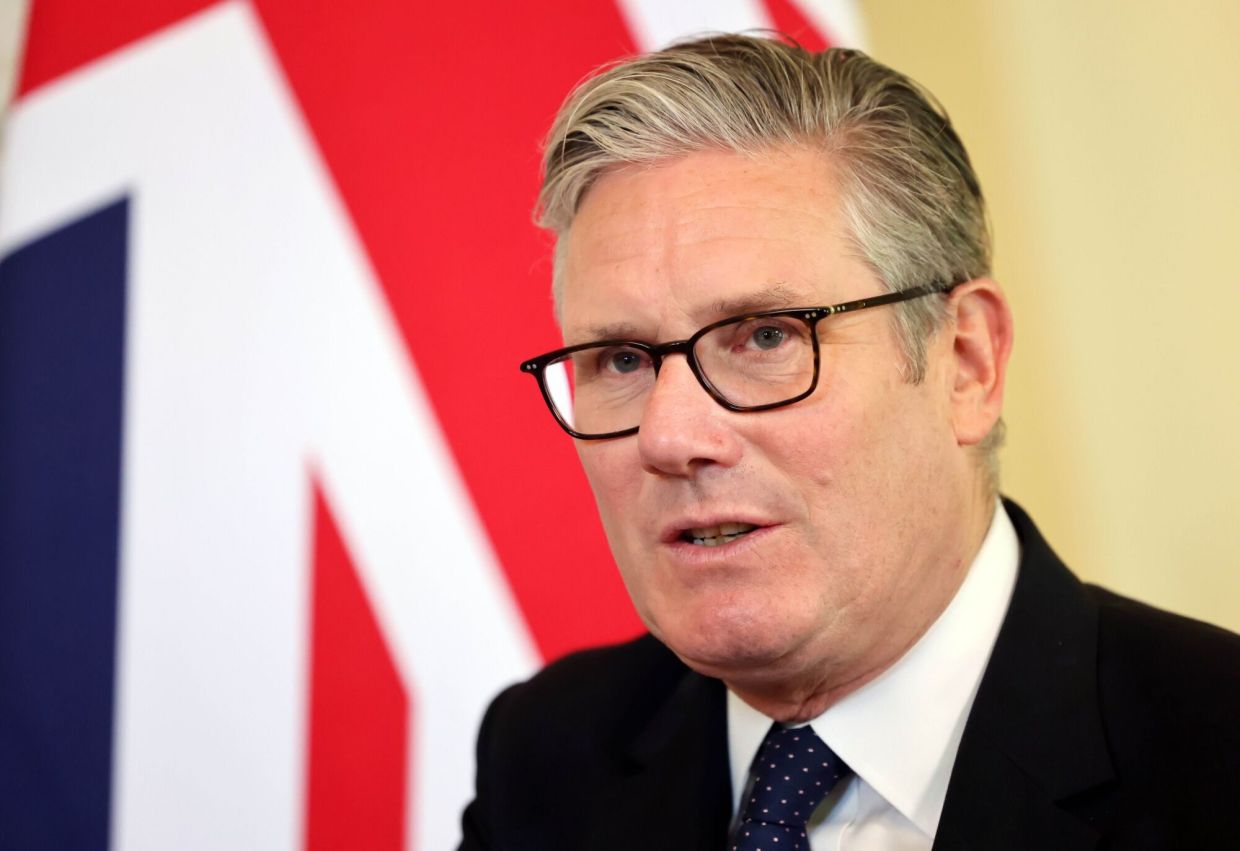
UK Prime Minister Keir Starmer will move forward Monday with a sweeping package of online safety measures aimed at shielding British youth from digital harms. The centrepiece involves prohibiting under-16s from accessing major social media platforms, complemented by additional provisions covering curfews for older adolescents and stringent controls on chatbots and gaming platforms. Following the announcement, Starmer will travel to Évian-les-Bains, France, for a Group of Seven gathering where he faces challenging discussions over last week's defence secretary departure and lingering questions about military funding.
Public backing for restricting teen social media access remains strong across the UK, though implementation challenges persist. The Labour administration's regulatory package exceeds measures adopted in Australia, where a comparable teenage ban took effect last year. "This is a choice about whose side we're on: families across the country, or a status quo that isn't working," Starmer said in a late Sunday statement.
Critics questioned whether the timeline reflects political calculation rather than careful deliberation. Ian Russell, whose teenage daughter died by suicide in 2017 after exposure to harmful online material, told the BBC it would be "deplorable" if the prime minister expedited the ban purely for political positioning ahead of potential leadership challenges. Several Labour cabinet members have privately expressed concern that rushing through a full under-16 ban before Thursday's by-election appeared hasty, given the public consultation closed fewer than three weeks prior.
The opposition Liberal Democrats dismissed the approach as "rushing through a half-baked policy just to secure a political legacy." The timing compounds pressure on Starmer's administration, which faces potential instability if Andy Burnham wins Thursday's special election in Makerfield, northwest England. Burnham could then mount a leadership challenge, potentially triggering a summer contest for the prime minister's position.
Starmer's team continues managing fallout from last week's departures involving defence secretary John Healey, junior defence minister Al Carns, and two ministerial aides. Healey cited inadequate military funding increases given Russian and other emerging security threats. Culture Secretary Lisa Nandy indicated Sunday that negotiations continue across government departments to identify additional defence spending sources. "Negotiation is happening as we speak," she told the BBC, suggesting Starmer is actively pursuing expanded military allocations—a move that could reinforce coalition pledges but risks accusations of policy reversal following Healey's resignation.