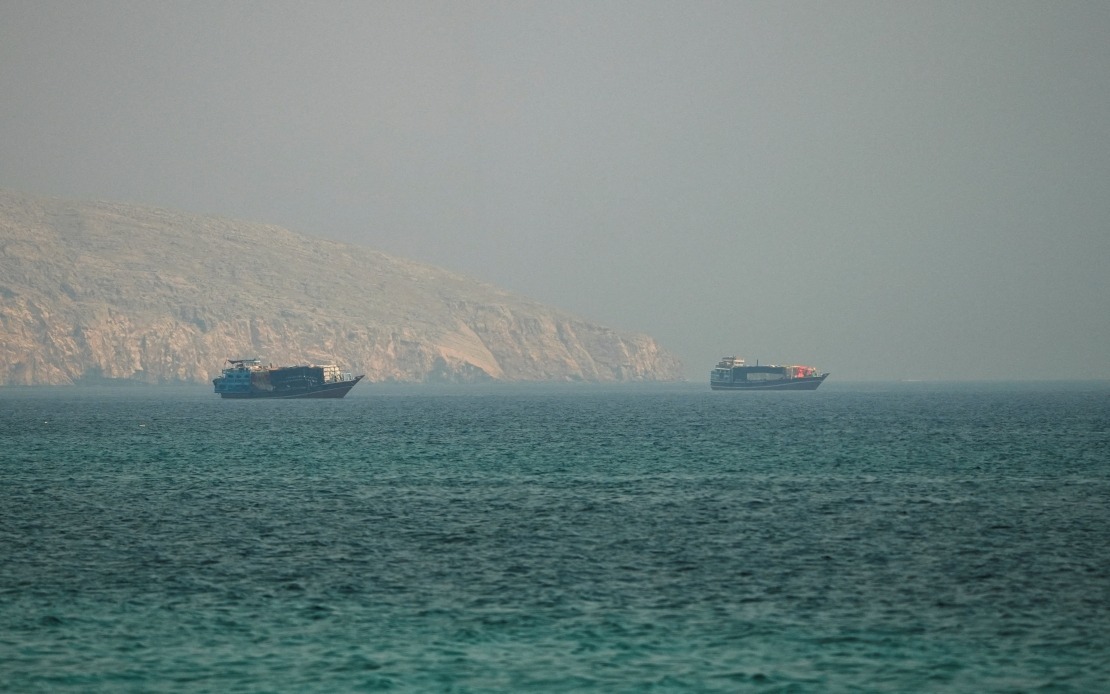
The Strait of Hormuz continues to pose significant maritime security risks for commercial shipping, with Britain's maritime authority holding firm on its assessment of a 'severe' threat level following a spate of recent vessel attacks. The UK Maritime Trade Operations issued this warning through its Joint Maritime Information Centre on Friday, underscoring the precarious security situation facing one of the world's most critical shipping chokepoints.
For Malaysian traders and shipping companies with interests in Middle Eastern markets, the ongoing volatility in this waterway carries substantial operational and financial implications. The Strait of Hormuz remains crucial to global energy supplies, with approximately one-third of all seaborne-traded oil passing through its waters annually. Any disruption to traffic patterns or prolonged escalation of hostilities could trigger ripple effects across regional supply chains, from petrochemical imports to manufactured goods destined for Southeast Asian markets.
Despite the heightened security environment, maritime authorities have emphasised that transit options remain viable. The Joint Maritime Information Centre specifically noted that the southern route through the Strait has been expanded and continues to accommodate all maritime traffic, suggesting that comprehensive closure remains unlikely. However, this assurance comes with mandatory precautions: vessels transiting the area must maintain vigilance on very high frequency radio channels for contact from naval forces and must remain aware of designated mine-danger zones that could affect navigation and shipping schedules.
The deteriorating security situation stems from escalating military confrontations between Washington and Tehran over merchant vessel attacks. The United States has responded to what it characterises as unprovoked assaults on commercial shipping with a series of retaliatory strikes targeting Iranian military installations and infrastructure. These American operations represent a significant escalation in direct military action within the region, moving beyond surveillance and protective escort measures to active offensive operations.
Iran's position on the dispute reflects broader strategic concerns about foreign military presence and control of maritime passages through its territorial waters. Tehran maintains that vessels should coordinate their transit through the Strait with Iranian authorities and restricts passage to routes it has officially designated. This assertion of sovereignty over navigation through the waterway fundamentally contradicts international maritime law principles favouring freedom of navigation, creating a persistent source of friction between Iran and Western naval powers including the United States.
In response to American military strikes, Iran has deployed unmanned aerial systems against US military facilities throughout the Gulf region and extending into Jordan, demonstrating its capacity and willingness to conduct cross-border operations. These drone attacks represent Tehran's asymmetric response strategy, enabling it to project power and inflict damage without engaging in direct conventional warfare. The cycle of retaliation and counter-retaliation shows little sign of abating, despite formal diplomatic engagement between the parties.
A significant diplomatic development occurred last month when Iran and the United States negotiated a memorandum of understanding, brokered through Pakistani mediation, intended to de-escalate tensions and establish a framework for lasting peace. This agreement represented a potential turning point, suggesting that both powers recognised the unsustainability of their current trajectory. However, the practical impact of this understanding remains deeply questionable given the continuation of hostile military actions even after the agreement's announcement.
The persistence of military hostilities despite the existence of a signed memorandum highlights the profound mistrust between the two adversaries and raises serious questions about implementation mechanisms and enforceability. Without visible improvements in the security environment or meaningful reduction in military incidents, the diplomatic agreement risks becoming merely symbolic rather than transformative. This uncertainty directly affects Malaysian and other regional shipping interests, as companies cannot reliably forecast whether conditions will improve or further deteriorate.
For Southeast Asian economies and logistics providers, the implications extend beyond simple risk avoidance. Malaysian port operators, maritime insurers, and shipping companies must navigate complex calculations regarding insurance premiums, route selection, and scheduling contingencies. The expanded southern route, while theoretically safer, may involve longer transits and higher operational costs. Alternatively, vessels might consider alternative routes through the Suez Canal or around the Cape of Good Hope, significantly increasing journey times and fuel consumption for Middle Eastern trade.
The broader geopolitical dimension also warrants consideration. The Hormuz situation reflects deeper US-Iran strategic competition over regional influence, weapons proliferation, and the future of Gulf security architecture. Malaysia and other ASEAN nations have historically avoided taking sides in such disputes, preferring neutrality and commercial pragmatism. However, sustained instability in this critical waterway increasingly forces Southeast Asian governments and businesses to make difficult choices about risk tolerance and regional partnerships.
Looking forward, the trajectory of the Hormuz situation will significantly influence regional stability calculations and maritime commerce patterns throughout Asia. If diplomatic initiatives fail and military escalation continues, disruptions to energy supplies and increased shipping costs could ripple through Malaysian manufacturing, logistics, and petrochemical sectors. Conversely, successful de-escalation through the Iranian-American dialogue could restore confidence and normalise operations in one of the world's most strategically important maritime passages, benefiting regional trade flows and economic growth across Southeast Asia.

