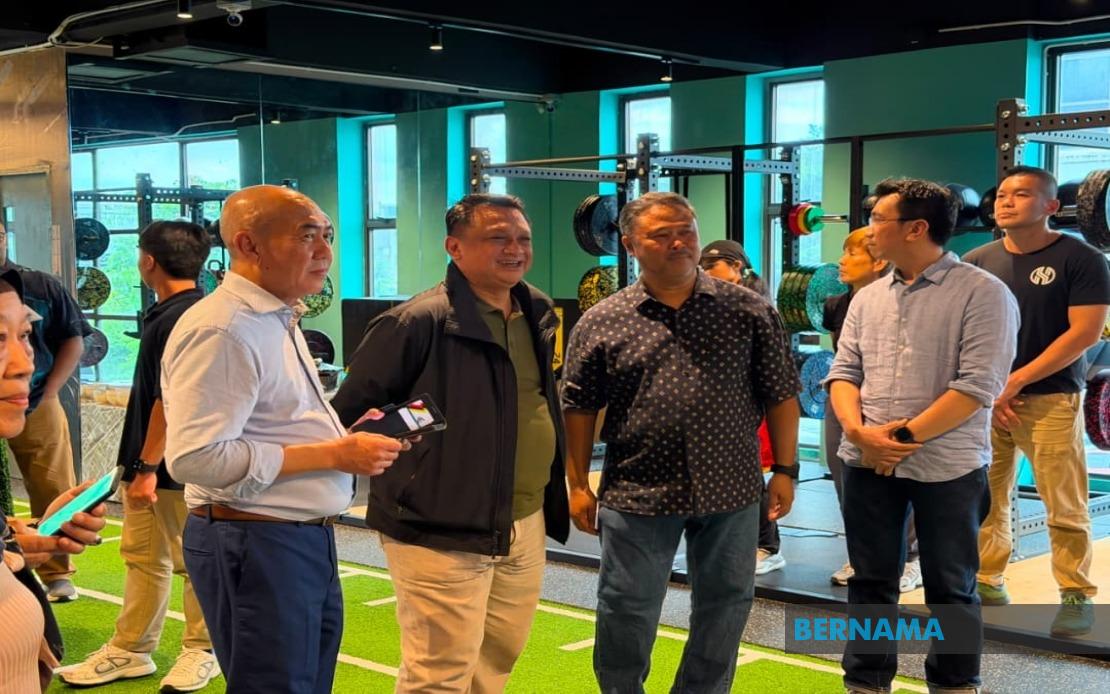
Dr Adibah Ali, owner of FitLab gymnasium in Kuching, is mounting a fresh campaign to convince senior citizens that regular strength training represents one of the most practical defences against the debilitating injuries that plague their age group. Speaking after a royal visit to her facility on June 26, the consultant breast and endocrine surgeon stressed that despite Malaysia's rapidly aging demographic profile, public understanding of how targeted muscle-strengthening exercises can transform elderly wellbeing remains disappointingly limited.
The medical professional draws on more than two decades of clinical experience to underscore her message. Throughout her hospital career, Dr Adibah has witnessed firsthand the cascade of complications that follows falls among older adults—admissions for fractures, extended recovery periods, and the psychological toll of lost independence. These observations have crystallised her conviction that prevention through proactive fitness intervention deserves far greater prominence in Malaysia's public health conversations.
Critically, Dr Adibah emphasises that strength training for the elderly operates on an entirely different premise from bodybuilding or aesthetic muscle development. The objective instead centres on fortifying skeletal density, stabilising joints, and enhancing neuromuscular coordination—the biological foundations that allow seniors to navigate stairs safely, carry groceries without risk, and maintain balance when unexpected obstacles arise. This reframing proves essential for shifting cultural perceptions that often associate gym participation with youth-oriented vanity rather than injury prevention.
The practical implications extend deeply into daily living. When older adults lack sufficient muscular support, ordinary activities become fraught with danger. Rising from a seated position, walking on uneven surfaces, or responding quickly to loss of balance becomes genuinely risky. Conversely, individuals who have invested in strength maintenance retain the physical resilience to recover from minor stumbles and the confidence to remain socially active—both protective factors against the depression and isolation that frequently accompany aging.
Recognising this gap between medical evidence and public awareness, FitLab has committed to launching specialised strength training classes specifically designed for older participants. The gymnasium is also establishing collaborative partnerships with Pusat Aktiviti Warga Emas (PAWE), the national centre for senior citizen activities, to expand reach and legitimise fitness participation among an age group that may feel alienated by conventional gym environments. These institutional connections matter enormously for normalising exercise as a health imperative rather than an optional luxury.
Sarawak's political leadership has aligned itself with this prevention-focused messaging. Datuk Gerald Rentap Jabu, the state's Deputy Minister of Youth, Sports and Entrepreneur Development, acknowledged that Sarawak's population of citizens aged 50 and above constitutes an expanding demographic segment requiring targeted policy responses. His remarks reflect a broader Southeast Asian reality: every nation in the region faces accelerating population aging, making fall prevention and active aging central to sustainable healthcare delivery.
Notably, the Deputy Minister articulated a more expansive vision of senior activity programming that transcends physical fitness alone. By incorporating cognitive engagement opportunities—chess tournaments, strategic games, and mental stimulation activities—officials recognise that elderly wellbeing encompasses psychological vitality alongside physical capability. This holistic framing acknowledges that active aging successfully combines bodily resilience with intellectual engagement and social connection.
The royal patronage extended by the Raja Muda of Perlis, Tuanku Syed Faizuddin Putra Jamalullail, during his extended facility visit further elevates the profile of this public health message. When royal figures and high-ranking government officials champion preventive health initiatives, they signal genuine institutional commitment and encourage broader social buy-in. Such visibility matters particularly in encouraging older Malaysians who may harbour lingering hesitations about gym participation.
The epidemiological burden justifying this emphasis cannot be overstated. Falls represent a leading cause of both fatal and non-fatal injuries among older populations across developed and developing nations alike. Beyond immediate trauma, fall-related injuries frequently trigger cascading health deterioration, hospitalisation, mobility loss, and premature mortality. The economic costs—through prolonged hospital stays, rehabilitation requirements, and lost productivity—strain healthcare systems struggling with resource constraints. Investing in preventive strength training therefore delivers substantial returns in health outcomes and fiscal efficiency.
For Malaysian readers, particularly adult children managing aging parents' health and wellbeing, this message carries immediate relevance. Rather than accepting fall risk as an inevitable consequence of aging, families can facilitate their elderly relatives' participation in structured strength programmes. The relatively modest investment required for gym membership or community-based fitness classes pales against the catastrophic personal, familial, and economic consequences of untreated fall injuries.
The broader regional context amplifies the urgency. Across Southeast Asia, healthcare infrastructure and social safety nets remain variable and often inadequate for managing the complex needs generated by fall-related injuries in elderly populations. Nations still developing their aged-care capacities would benefit enormously from population-wide prevention strategies that reduce demand on hospital systems and preserve elderly independence and dignity.
As Malaysia navigates demographic transition toward a more elderly society, champions like Dr Adibah represent crucial advocates for reframing aging from inevitable decline toward active maintenance. Her gymnasium initiative and collaborative efforts with government agencies and senior centres demonstrate how private enterprise, public health messaging, and institutional partnerships can converge to address genuine population health priorities. For the many Malaysian seniors currently at risk but unaware of effective preventive interventions, such combined efforts may prove genuinely life-changing.

