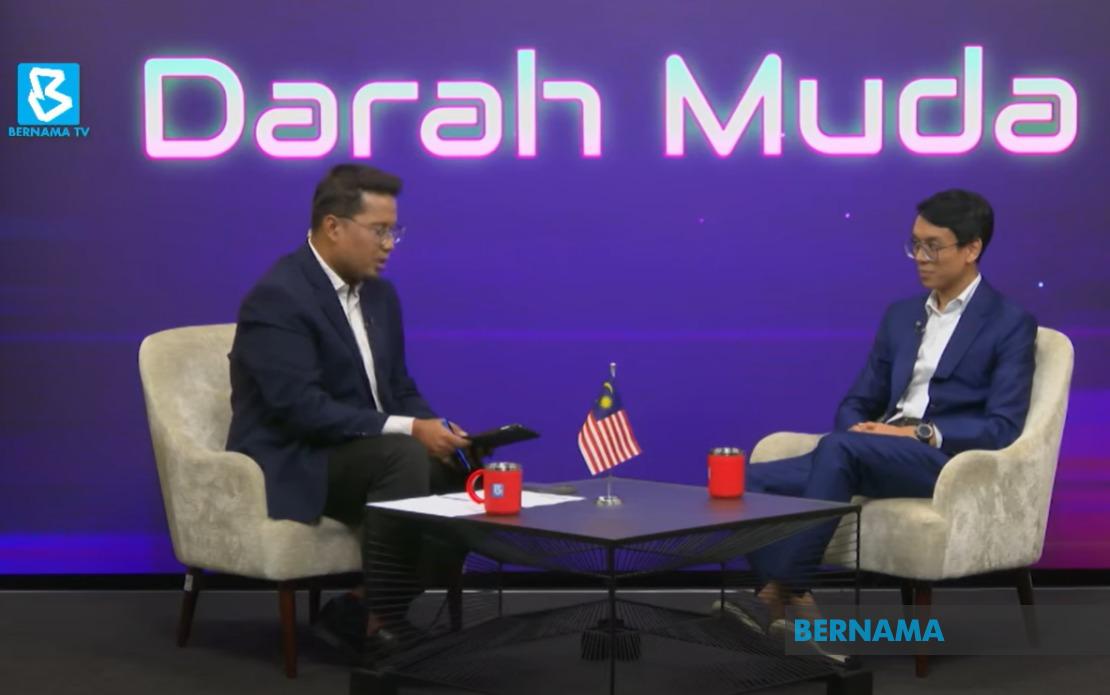
The persistent challenges facing Lembaga Tabung Haji demand a fundamental reckoning with institutional leadership and operational oversight, according to analysts scrutinizing the recent Royal Commission of Inquiry findings. Rather than treating the reported issues as isolated incidents, IKRAM Malaysia Economic Agenda Team data analyst Mohamad Ikmal Ahmad Nordin argues that policymakers must adopt a comprehensive framework addressing the root causes that enabled mismanagement to flourish. The institution's recovery efforts to date represent a necessary first step, but meaningful reform requires deeper structural changes that go well beyond surface-level corrections.
At the heart of TH's operational failures lies a mismatch between leadership competencies and institutional requirements. The fund operates simultaneously as a religious organization managing the spiritual obligations of Hajj pilgrims and as a sophisticated financial institution overseeing billions in depositor assets. This dual mandate demands expertise that extends across multiple disciplines, yet historical management appointments have not consistently reflected this complexity. Mohamad Ikmal contends that those steering TH must possess the fundamental capability to interpret financial statements, understand investment mechanics, and navigate sophisticated fund management—skills that require specialized training and demonstrated professional experience.
The absence of appropriate technical expertise has created vulnerability to poor decision-making across TH's portfolio. A genuinely reformed institution would prioritize recruiting fund managers, qualified accountants, and actuaries whose professional credentials and track records demonstrate capacity to manage substantial financial resources. Simultaneously, the organization could unbundle its functions, potentially transferring Hajj administration and religious affairs to specialized government bodies such as the Department of Islamic Development Malaysia or relevant ministerial departments. This structural separation would allow financial professionals to focus exclusively on asset preservation and growth without competing organizational pressures.
The implications of weak governance extend directly to Malaysia's younger Muslim population, whose economic circumstances make Hajj savings increasingly challenging. As costs associated with the pilgrimage climb steadily, many young people require reliable, professionally managed savings mechanisms to accumulate sufficient funds. When institutional mismanagement erodes depositor confidence or depletes reserves, this demographic bears disproportionate consequences. A reinvigorated TH managed by capable financial professionals could develop innovative instruments specifically designed to facilitate Hajj preparation among younger Malaysians, potentially including flexible contribution schemes or investment options tailored to their earning patterns and time horizons.
Rebuilding public trust represents an equally critical objective, particularly given TH's foundational role in Malaysian Islamic finance. The institution must clearly recommit to its original mandate while demonstrating through concrete actions that professional standards now govern its operations. This requires transparency in decision-making, regular publication of audited financial statements in accessible formats, and clear communication regarding fund performance and risks. When depositors—many of whom entrust their savings based on religious and cultural values—see institutional leadership taking governance seriously, confidence gradually returns.
Mohamad Ikmal's advocacy for continuing forensic audits of TH-related companies reflects a pragmatic understanding that accountability mechanisms must operate comprehensively rather than selectively. Investigations into specific problem areas risk becoming exercises in damage control if they avoid examining connected entities or systemic patterns. Only through thorough forensic examination can investigators identify which decisions created vulnerabilities, trace the movement of funds through various corporate structures, and establish precisely how certain parties benefited from institutional resources. This forensic transparency becomes the foundation upon which reformed governance can be built.
The financial stakes involved justify this rigorous approach. Millions of Malaysians depend on TH as a dedicated vehicle for accumulating pilgrimage savings, often investing disciplined contributions over decades. When institutional failure undermines these savings, the consequences extend beyond individual depositors to affect families and communities that incorporated Hajj planning into their financial strategies. The scale of potential losses magnifies the imperative for preventive governance reform.
Regional context further illuminates why TH's reform matters beyond Malaysia's borders. Islamic finance institutions across Southeast Asia observe how established funds navigate governance challenges and adapt to changing financial regulations. TH's experience—both its failures and its recovery trajectory—influences how neighboring countries design and supervise similar institutions. A successful governance transformation demonstrates that Islamic financial institutions can maintain religious authenticity while embracing professional standards and competitive financial practices. Conversely, continued institutional weakness might discourage other Muslim-majority nations from establishing comparable dedicated pilgrimage funds.
The forward-looking dimension emphasized by Mohamad Ikmal highlights how reformed governance enables innovation. A professionally managed TH could explore financing arrangements, partnership models with international Islamic banks, or investment diversification strategies currently constrained by institutional limitations. Younger depositors particularly require evidence that their contributions support contemporary financial instruments rather than outdated administrative approaches. Progressive leadership could position TH as a model for Islamic financial management rather than an institution perpetually addressing legacy problems.
Implementing these governance improvements ultimately requires sustained political commitment. Appointing qualified professionals rather than patronage selections, providing regulatory independence from short-term political pressures, and ensuring proper resource allocation for compliance infrastructure all demand institutional courage. Yet the alternative—accepting recurring governance failures—imposes far greater costs on the millions of Malaysians whose pilgrimage aspirations depend on institutional reliability.

