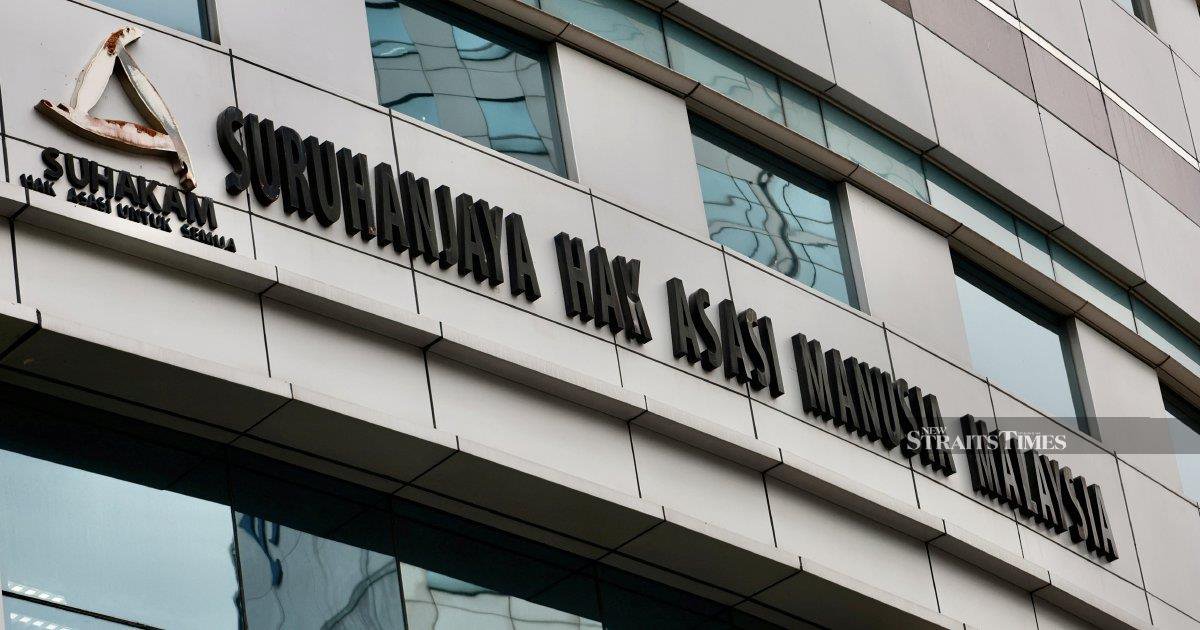
Malaysia's national human rights body has expressed serious alarm following the Court of Appeal's determination to uphold a stay of High Court proceedings connected to the enforced disappearance case of Pastor Raymond Koh, marking a significant setback in efforts to pursue answers in one of the country's most contentious missing persons cases.
The decision by Suhakam comes at a critical juncture in the long-running case that has drawn international scrutiny and raised persistent questions about accountability within Malaysia's security apparatus. Pastor Koh vanished in February 2017 under circumstances widely believed to involve state actors, leaving his family and civil society organisations searching for definitive answers. The Court of Appeal's choice to preserve the stay effectively pauses judicial proceedings that had previously progressed through the High Court, creating fresh uncertainty about the trajectory of the investigation.
Suhakam's intervention underscores the profound tension between judicial processes and the pursuit of fundamental human rights within Malaysia's legal framework. The commission, established as an independent constitutional body tasked with safeguarding human rights, has increasingly found itself advocating from the sidelines as procedural mechanisms and legal stays have impeded substantive examination of allegations. This pattern reflects broader institutional challenges in addressing alleged human rights violations, particularly those potentially involving security agencies whose operations often operate beyond conventional accountability mechanisms.
The stay itself raises fundamental questions about justice timelines and access to remedy for affected families. For Pastor Koh's relatives, each delay represents not merely a legal technicality but a prolonged period of uncertainty and emotional suffering. The enforced disappearance—characterised by authorities denying knowledge or responsibility for an individual's whereabouts—represents one of the most severe human rights violations in international law. That Malaysia's courts have permitted extended pauses in examination of such allegations troubles human rights advocates and international observers monitoring the country's commitment to justice.
Pastoral organisations and civil society groups have maintained sustained attention on the case despite institutional obstacles. Their efforts have kept pressure on authorities and preserved public awareness, preventing the narrative from fading into the background of Malaysia's broader security operations. Yet the legal stays reflect procedural complexities that can obscure the fundamental question at the heart of the matter: what happened to Pastor Koh, and who bears responsibility. The Court of Appeal's decision suggests these procedural questions may continue occupying judicial attention before substantive examination of the disappearance itself can proceed.
The implications extend beyond Pastor Koh's individual case, signalling something troubling about enforced disappearances within Malaysia's legal ecosystem. When courts uphold stays that effectively pause investigations into such serious allegations, the message reverberates through civil society communities about the availability of justice for vulnerable populations. Political and religious minorities, individuals critical of government policies, and those marginalised from centres of power may view the outcome as indicative of limited recourse should they become targets of similar actions.
International observers, including United Nations bodies monitoring human rights implementation, have previously noted concern about enforced disappearance allegations in Malaysia and the availability of effective remedies. The Court of Appeal's decision fits into a troubling pattern that may draw renewed scrutiny at forthcoming international human rights review mechanisms. Malaysia's standing on these issues carries implications for its regional reputation and international standing as a democracy committed to rule of law and human rights protection.
Suhakam's public statement of concern carries particular weight given the commission's constitutional mandate and institutional position as the designated human rights monitoring body. When Suhakam articulates alarm over judicial decisions, it signals not merely disagreement with legal outcomes but institutional concern about whether the justice system is functioning adequately to protect fundamental rights. Such statements, though lacking enforcement powers, establish important on-the-record documentation about human rights concerns within Malaysia's legal institutions.
The stay's continuation raises practical questions about evidence preservation and witness availability as years accumulate without resolution. Investigations into disappearances require prompt action—memories fade, evidence deteriorates, and perpetrators become emboldened by extended impunity. Courts worldwide recognise this reality when they move swiftly on matters involving alleged grave human rights violations. The extended stay raises concerns about whether investigative momentum can be maintained across the gaps imposed by legal proceedings.
For Pastor Koh's family, the psychological toll compounds with each legal development that delays rather than advances accountability. Suhakam's concern reflects recognition that families of disappeared persons constitute direct victims deserving of timely access to justice and truth. The right to remedy, established in international human rights frameworks, encompasses not merely compensation but also acknowledgment of what occurred and establishment of responsibility. Each delay in substantive examination of the case further distances relatives from achieving closure or justice.
Moving forward, the case will likely require sustained civil society engagement to ensure the matter does not vanish from public consciousness. Suhakam's statement may embolden further advocacy while potentially influencing how higher courts ultimately approach the case. International pressure, though sometimes critiqued as foreign interference, has historically contributed to momentum in sensitive Malaysian cases. The disappearance remains unresolved, and Pastor Koh's family remains in limbo—a reality that should compel serious reflection on whether Malaysia's justice institutions are adequately equipped to address enforced disappearances with the urgency and seriousness such grave violations demand.

