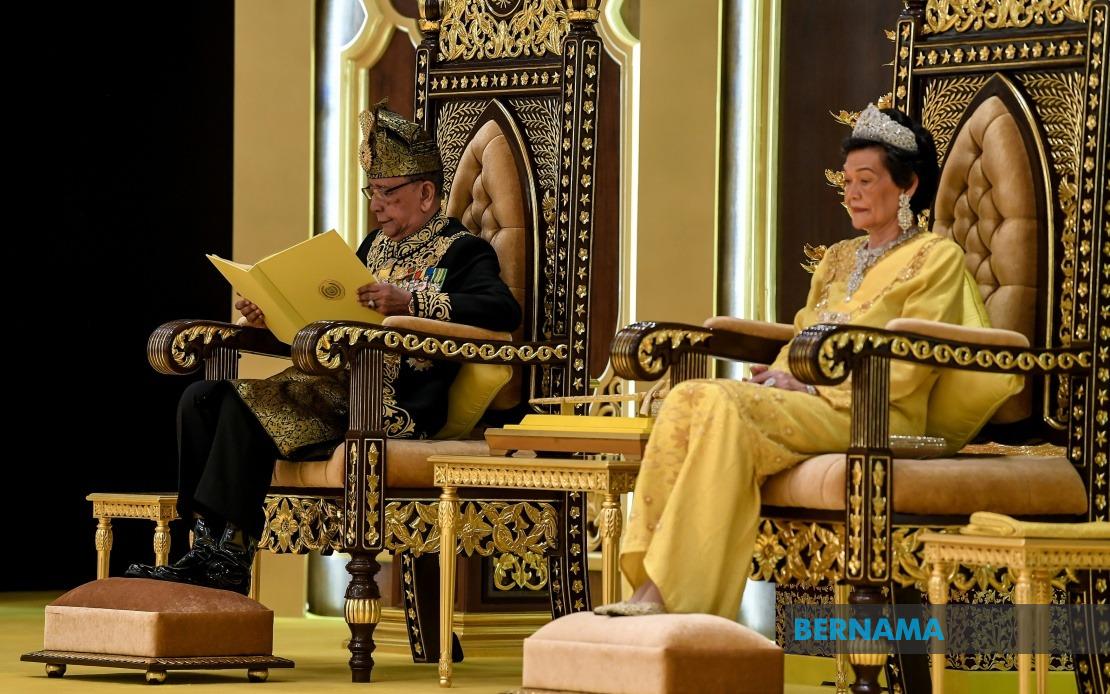
The Sultan of Kedah, Al Aminul Karim Sultan Sallehuddin Sultan Badlishah, has made a compelling case for Langkawi to establish itself as a distinctive destination in its own right, rather than pursuing development strategies that chase the shadows of better-known regional rivals. Speaking at an investiture ceremony held in conjunction with his 84th birthday in Alor Setar on July 5, the Sultan articulated a vision that distinguishes between aspirational growth and authentic identity—a critical distinction in an era when island destinations across Southeast Asia increasingly compete for the same pool of international visitors.
The remarks carry particular weight given Langkawi's strategic importance to Kedah's economy. The island functions as a premier tourism hub and a significant engine of state revenue, yet this very prominence has likely created pressure to model itself on proven international successes. The Sultan's intervention suggests a deliberate pushback against what he sees as the temptation to replicate the formulas that have made destinations like Phuket in Thailand and Bali in Indonesia household names among global travellers. This represents a nuanced governance position: acknowledging the economic imperatives of tourism development while insisting that such growth must be anchored in authenticity rather than imitation.
The foundation of this approach rests on Langkawi's inherent advantages. The Sultan emphasized that the island possesses genuinely distinctive natural treasures and cultural heritage that represent its true competitive strength. Rather than investing in infrastructure and attractions designed to echo competitors, this perspective suggests that sustainable prosperity emerges from leveraging what makes Langkawi genuinely different. For regional policymakers watching tourism competition intensify across Southeast Asia, this argument has implications that extend beyond Kedah. As destinations proliferate and capital for development becomes more contested, the ability to offer authenticity rather than sameness becomes increasingly valuable in differentiated marketing.
Critically, the Sultan coupled his vision for distinctive development with a commitment to preservation. He stressed that Langkawi's natural assets and heritage must be safeguarded and evolved through sustainable practices rather than sacrificed for rapid commercial expansion. This signals a potential restraint on overdevelopment—a concern that has afflicted many Southeast Asian destinations, where rapid tourism growth has degraded the very natural environments that attracted visitors initially. The royal intervention provides political cover for conservation-minded policies that might otherwise face pressure from commercial interests seeking unrestricted development rights.
The Sultan also drew a firm line regarding reputation management. He made explicit that he would not tolerate actions or statements from any party that could damage Langkawi's image, suggesting a readiness to intervene against individuals or organizations pursuing short-term gains at the expense of the destination's long-term brand integrity. This protective stance indicates an understanding that destination reputation, once damaged, proves extraordinarily difficult to restore—a lesson underscored by various Southeast Asian examples where environmental degradation or poor governance has tarnished international perception for decades.
Beyond tourism strategy, the Sultan's remarks addressed a more immediate source of public dissatisfaction: the persistent failure to complete critical infrastructure projects. He expressed serious concern regarding delays in implementing the Sungai Kedah/Anak Bukit flood mitigation plan, which has remained incomplete despite its obvious necessity. This infrastructure gap affects residents directly through recurring flooding that burdens communities year after year, representing a failure of governance that constrains economic activity and diminishes quality of life in affected areas.
The juxtaposition of the Sultan's tourism vision with his criticism of stalled infrastructure projects carries implicit significance. Both point to the fundamental requirement for effective implementation capacity. A development strategy centered on preserving Langkawi's natural character depends entirely on the government's ability to manage competing pressures—resisting destructive development while simultaneously delivering essential services to residents. Conversely, flood mitigation projects that remain incomplete signal either inadequate funding, poor project management, or insufficient political priority. The Sultan's intervention on both fronts suggests frustration with implementation gaps that undermine broader policy objectives.
For Malaysia's broader tourism competitiveness, the Sultan's framing offers a corrective to development models that have often prioritized rapid expansion over differentiation. As Thailand, Indonesia, and Vietnam all compete aggressively for regional tourism share, Malaysia's strategic advantage partly resides in destinations like Langkawi that can offer genuine distinctiveness. This requires resisting the constant temptation to replicate successful competitors and instead investing in authentic experience design grounded in natural and cultural assets.
The royal intervention also reflects a sophisticated understanding of brand positioning in contemporary tourism markets. Experienced international travellers increasingly seek authentic experiences and differentiated destinations, moving away from the standardized resort experiences that dominate mass tourism. By positioning Langkawi around its unique character rather than competing on familiar attributes, the state creates opportunity for premium positioning that can sustain higher spending per visitor and more sustainable growth patterns.
The implementation challenges highlighted by the Sultan's remarks on infrastructure—particularly the flood mitigation project—underscore that tourism strategy divorced from basic governance effectiveness ultimately fails. Residents in flood-affected areas cannot be expected to support tourism-centered economic strategies when their own basic needs for safety and essential services remain unmet. This political economy reality suggests that the Sultan's dual emphasis on distinctive tourism development and infrastructure completion addresses interconnected governance challenges rather than separate policy domains.
Moving forward, the Sultan's statements will likely influence how Kedah positions itself in regional tourism competition and how it prioritizes resource allocation between development initiatives. The explicit rejection of imitative strategies provides political foundation for investment in Langkawi's distinctive assets—its natural environment, heritage sites, and cultural experiences—rather than attempting to recreate attractions that have succeeded elsewhere. Simultaneously, the demands for infrastructure completion signal that tourism cannot be pursued as a standalone objective isolated from broader resident welfare and public service delivery.

