The financial markets are showing little appetite for summer respite. Despite the mid-August doldrums when trading volumes typically thin and traders head for beaches, the coming week promises an unusually dense calendar of economic releases and geopolitical developments that could reshape expectations across multiple asset classes. From currency intervention to inflation readings and emerging diplomatic breakthroughs, the period ahead will test whether recent market calm reflects genuine economic stability or merely a temporary pause before fresh turbulence.
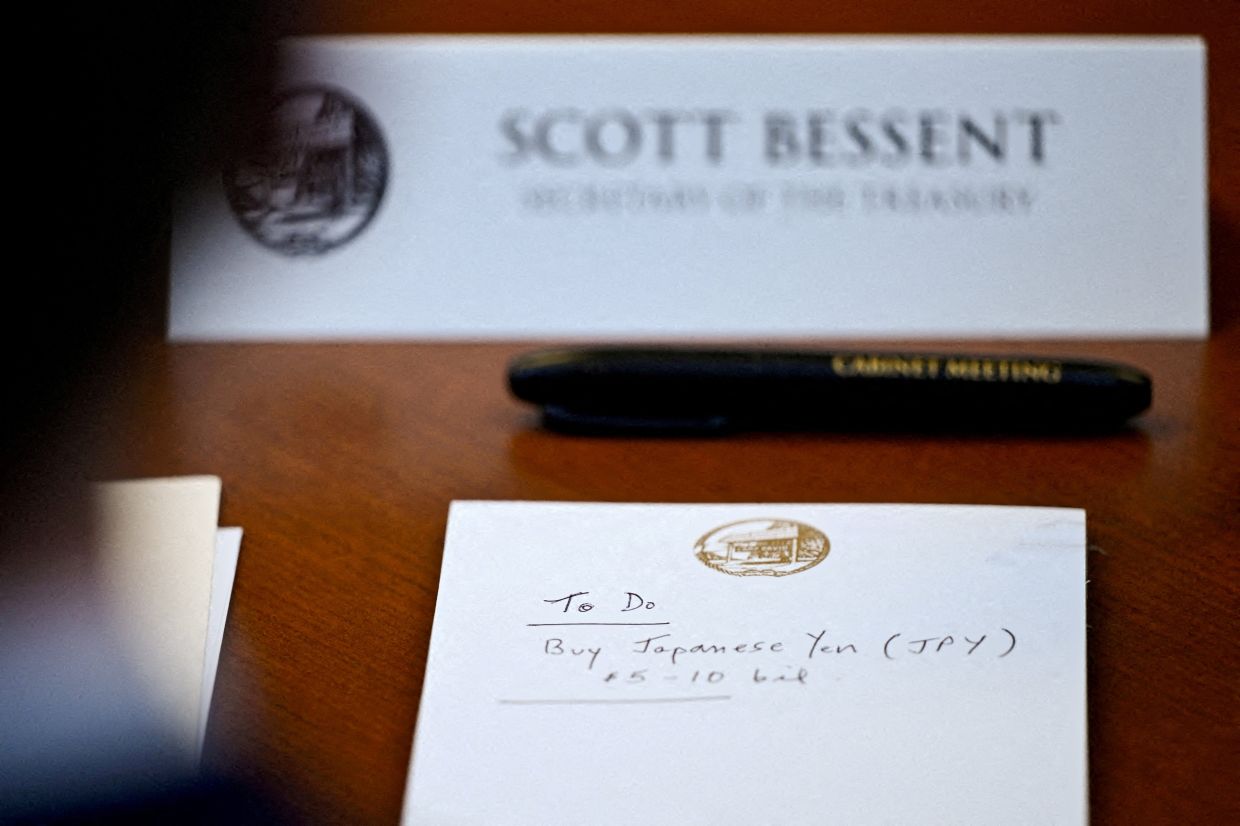
The Japanese yen's battle against four-decade lows has become an urgent priority for Tokyo's policymakers, with implications extending far beyond currency traders. A weakening yen makes imported energy more expensive—a particular vulnerability for Japan given its reliance on fossil fuel imports and its struggle to manage an ongoing energy transition. The recent appearance of U.S. Treasury Secretary Scott Bessent's handwritten notes mentioning yen purchases, combined with the rare joint U.S.-Japanese intervention to support the currency, suggests Washington has taken Tokyo's concerns seriously enough to act. This coordinated approach signals that both capitals view yen weakness as systemically troubling rather than merely a cyclical currency fluctuation requiring patience.
Yet currency traders remain fixated on several unanswered questions that could determine the yen's trajectory in coming months. The critical unknown is whether Japan's central bank will signal plans for a rate increase in September, which would meaningfully support the yen by raising the returns on yen-denominated assets. Minutes from the bank's July meeting, published at the start of the week, appeared to strengthen the case for such a move. Equally intriguing is analysts' observation that U.S. intervention used euros rather than dollars—a choice that some interpret as Washington's attempt to avoid bond market pressures that would arise if foreign central banks sold U.S. Treasury holdings to fund currency operations. This technical detail hints at simmering anxieties about the dollar's status as the world's reserve currency, a debate likely to resurface whenever cross-border interventions occur.
Parallel to currency dynamics, negotiations between Iran and Oman regarding the Strait of Hormuz have captured investor attention as a potential circuit-breaker for the ongoing Middle Eastern conflict. The talks operate without direct U.S. involvement or endorsement, introducing uncertainty about whether any agreement would withstand American scrutiny or prove durable. With the conflict now entering its 24th week and Yemen's Houthi militias—backed by Iran—continuing to target tankers in the Red Sea, markets remain skeptical that a negotiated arrangement will hold. For U.S. policymakers, however, with midterm elections fewer than five months away and gasoline prices stubborn above $4 per gallon, even a temporary accommodation would provide electoral relief. The calculation appears to be that optimism about corporate earnings growth and artificial intelligence-driven productivity gains may distract investors long enough for a political solution to emerge, however fragile.
The principal economic event commanding Wall Street's attention is Wednesday's U.S. consumer price index reading for July. Economists surveyed by Reuters expect the headline figure to show a year-on-year increase of 3.4%, while core CPI—stripping out volatile food and energy components—is forecast to rise 2.5% annually. This data becomes particularly significant given last week's unexpected jobs losses, which had been shifting market sentiment toward less hawkish Federal Reserve action. A stronger-than-expected inflation print could force policymakers to reconsider their stance, creating a policy dilemma: do they raise rates despite labor market softness, or accept higher inflation in the near term? Producer price data arriving Thursday will provide additional context by showing price pressures at the wholesale level. Both readings remain above the Fed's 2% target, suggesting inflation's underlying momentum persists despite recent moderations.
The implications for Malaysian investors and regional markets are substantial. Persistent U.S. inflation could encourage further Federal Reserve tightening, which would strengthen the dollar and create headwinds for Asian currencies and emerging market equities. It would also reinforce expectations of higher U.S. borrowing costs, potentially draining capital from Southeast Asian markets in search of higher returns in developed economies. Conversely, if inflation data disappoint on the downside, it could trigger a risk-on rally benefiting growth-sensitive sectors across the region, particularly technology and consumer discretionary stocks.
Retail sales data for August 14 will complete a particularly event-rich week for American economic indicators. With markets currently pricing a roughly 40% probability of a Fed rate increase at the September meeting, these coming data releases could meaningfully shift that calculation. Forward guidance from Fed speakers, should they comment during this period, will also carry outsized weight as traders attempt to decode central bank thinking.
Meanwhile, policy divergence across other major economies continues. Australia's Reserve Bank is expected to hold rates steady when it meets Tuesday, even as Governor Michele Bullock maintains a hawkish posture by signaling readiness for further increases if inflation proves sticky. The June quarter inflation data, which showed consumer price growth at a slower pace, apparently convinced the board to pause, but market observers suspect this hawkishness will persist. Similarly, Norway's Norges Bank is expected to keep rates unchanged on Thursday, following a slowdown in core inflation during June, though the central bank maintains a tightening bias.
Britain's economic picture introduces additional complexity to the global outlook. New Prime Minister Andy Burnham will be hoping for favorable GDP figures when Britain publishes second-quarter and monthly June data on Thursday. Recent retail sales figures surprised to the upside, bolstered by spending tied to soccer tournaments and warm weather, suggesting some underlying momentum in consumer activity. However, the quarterly figure faces headwinds from weak growth in April and May, making the outlook less clear. An updated eurozone GDP estimate is also scheduled for Thursday, with preliminary data having shown the single currency bloc expanding faster than expected in the second quarter.
For regional markets and Malaysian investors particularly, these global developments create a complex backdrop. The potential for continued yen weakness amid intervention attempts could affect regional currency dynamics and cross-border investment flows. U.S. inflation readings will determine whether capital remains committed to regional emerging markets or rotates back toward dollar-denominated assets. The nascent Iran-Oman talks, though early-stage and uncertain, could eventually relieve oil price pressures that have weighed on Southeast Asian economies. Collectively, the coming week represents a critical juncture where economic data, geopolitical developments, and policy decisions will combine to either reinforce current market dynamics or catalyze a meaningful shift in asset allocation across the region.

