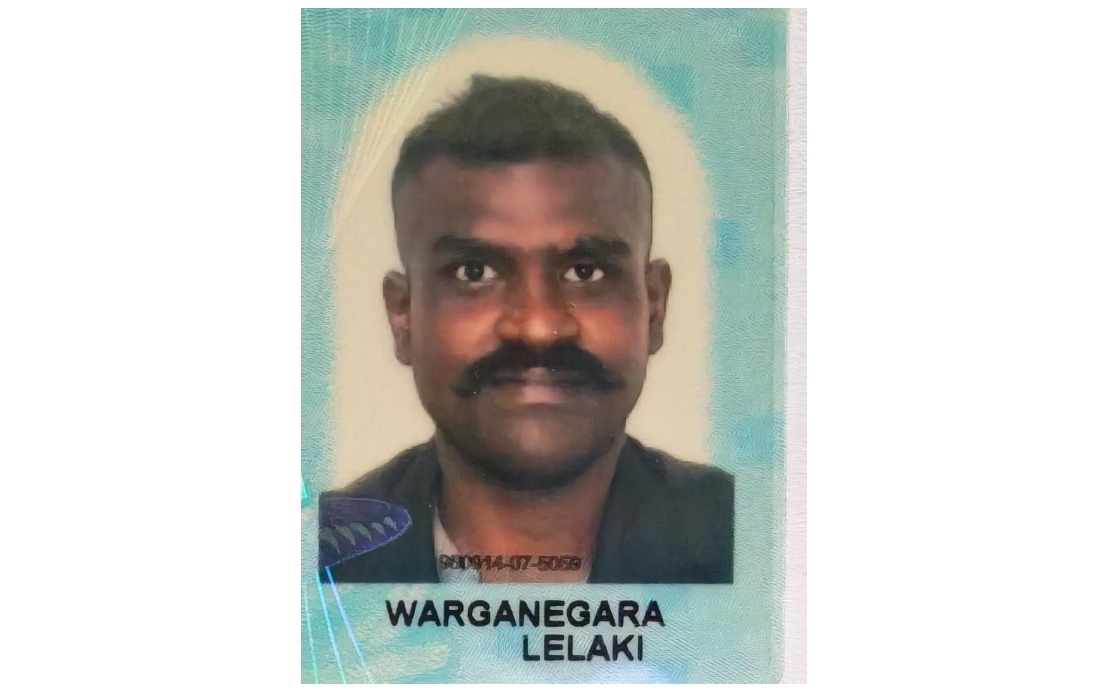
Sungai Bakap Hospital in Nibong Tebal has launched a public appeal to locate the family or next of kin of a young man who passed away following an extended hospitalisation, highlighting a poignant case that underscores the challenges faced by the healthcare and social welfare systems when caring for vulnerable, unidentified patients. The deceased, M. Balakrishnan aged 29, succumbed to severe sepsis with multi-organ failure on August 10 at 6.53 pm in Ward 3 of the facility, after having been treated there continuously since his transfer from Bukit Mertajam Hospital on May 27.
The circumstances surrounding Balakrishnan's case reveal the complexities involved in managing homeless patients without established support networks. The man had been transferred to Sungai Bakap Hospital pending placement in a residential care facility operated by the Social Welfare Department, indicating that authorities had recognised his vulnerability and attempted to arrange appropriate accommodation. However, throughout his entire period of hospitalisation, no family members, relatives, or acquaintances came to visit him, and hospital staff were unable to glean any useful information about his family connections from conversations with the patient himself.
Hospital authorities initiated systematic efforts to trace his relatives by engaging the National Registration Department, which identified a previous residential address at No. 19, Jalan Sungai Buloh, Taman Segar, Kampung Baru Subang in Selangor. This finding provided a potential lead, yet subsequent police investigations at that location yielded no results. Officers discovered that the premises were then occupied by a Malay family who had no acquaintance with Balakrishnan or knowledge of his family history, suggesting that the registered address may have been outdated or that Balakrishnan had not maintained regular residence there for some considerable time.
The case reflects broader societal issues regarding urban homelessness and the intersection between healthcare delivery and social services in Malaysia. When individuals without stable housing or clear family ties fall critically ill, hospitals must navigate complex procedures to provide care while simultaneously attempting to establish their identity and locate responsible parties. In Balakrishnan's situation, the healthcare system fulfilled its primary obligation to treat his life-threatening condition, but the absence of identifiable next of kin has complicated the final stage of his medical journey, leaving his remains currently stored in the hospital's Forensic Medicine Unit.
The hospital's decision to appeal publicly underscores the reality that formal institutional channels—police records, registration databases, and administrative enquiries—sometimes exhaust their usefulness without generating meaningful results. For cases involving homeless individuals who may have migrated from their registered addresses or lost contact with family members, traditional identification methods can reach their limits. Public appeals leverage the broader community's collective knowledge and memory, recognising that someone, somewhere, may possess crucial information about Balakrishnan's background or family connections that administrative systems have failed to uncover.
This incident also illuminates the essential role of hospitals as institutional actors in social welfare provision. Beyond their clinical functions, medical facilities often serve as repositories of last resort for society's most marginalised members. When Balakrishnan entered the healthcare system, he was identified as requiring social welfare intervention, yet the gap between medical treatment and secure community placement represents a critical vulnerability. His death after three months of hospitalisation raises questions about the adequacy of coordination between health services and the Social Welfare Department, and whether additional protective measures might have improved his circumstances or outcomes.
The public appeal mechanism employed here relies upon citizen-initiated contact, making it accessible to informal networks that may know Balakrishnan from different contexts—previous workplaces, neighbourhoods, religious communities, or friendship circles. Such information often lies outside the reach of formal bureaucratic records, particularly when individuals have experienced periods of homelessness or social disconnection. The hospital's transparent communication about the challenges encountered in tracing his family also serves an important public interest function, demonstrating institutional diligence while acknowledging the practical limits of official investigation.
For Malaysian readers and policymakers, this case exemplifies the invisible populations within urban centres—individuals whose marginalisation extends beyond economic hardship to encompass a fundamental disconnection from formal systems of identification and support. The lack of visitor contact during Balakrishnan's three-month hospitalisation suggests profound social isolation, a condition that may have preceded his health crisis and contributed to his trajectory toward homelessness. His death raises uncomfortable questions about preventive interventions, earlier identification of vulnerable persons, and whether more robust community-based care systems might have altered his fate.
The hospital's current appeal represents a final act of administrative responsibility toward Balakrishnan, ensuring that his remains are not disposed of without at least attempting to honour any family obligations or cultural requirements that might apply. In many Malaysian communities, proper handling of deceased persons' remains carries significant cultural and religious importance, making the identification process more than merely administrative—it becomes a matter of dignity and respect. The public is urged to contact the hospital with any information that might assist in establishing Balakrishnan's family connections, allowing for appropriate closure and ensuring that his death does not compound the tragedy of his isolation through an unmarked burial or unclaimed remains.

