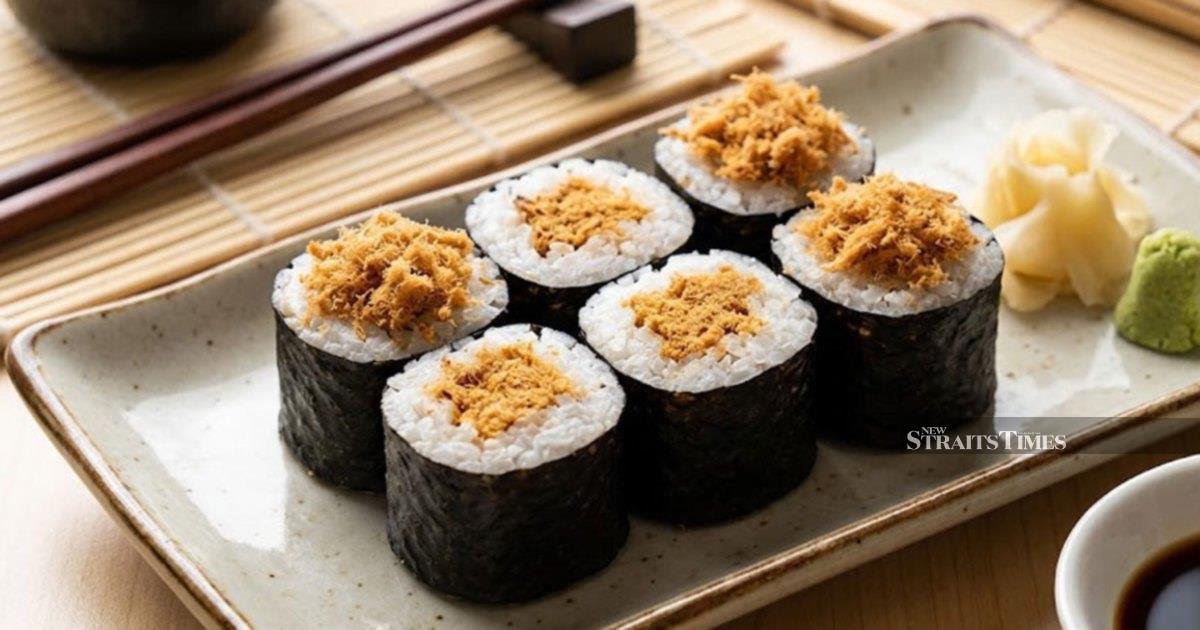
A trader in Setiu received a RM700 fine from the magistrate's court after admitting to selling sushi infected with dangerous bacteria during a Ramadan bazaar operation. The guilty plea underscores persistent challenges in maintaining food hygiene standards at high-volume selling venues that draw crowds of consumers breaking their fast during the Islamic holy month.
Ramadan bazaars, which operate across Malaysia during the fasting month, have become increasingly popular destinations for shoppers seeking prepared meals and snacks. These temporary marketplaces feature diverse food vendors and attract thousands of daily visitors, particularly during evening hours when Muslims break their fast at sunset. However, the rapid turnover and sometimes makeshift conditions at these venues occasionally create gaps in food handling practices that can compromise consumer safety.
The case exemplifies how food-borne pathogens can enter the supply chain even in seemingly straightforward preparation scenarios. Sushi, which depends on quality ingredients and meticulous handling procedures, represents a particularly vulnerable category given its reliance on raw components and minimal thermal processing. The presence of harmful bacteria suggests deficiencies in either ingredient sourcing, preparation environment sanitation, storage temperature control, or a combination of these critical factors.
Food safety enforcement agencies across Malaysia maintain surveillance of Ramadan bazaar operations specifically because of the seasonal spike in dining activity during this period. The fine imposed reflects regulatory bodies' commitment to protecting public health, though prosecution cases represent only instances where contamination was detected and traced to a specific vendor. Many food safety incidents go unreported when consumers do not seek medical treatment or when symptoms remain mild enough to avoid formal complaint filing.
The Setiu case carries broader implications for consumer awareness and vendor accountability in informal food sectors. Unlike restaurants operating under permanent licenses with regular inspections, bazaar traders often work under temporary permits with less frequent official oversight. This regulatory disparity creates opportunities for shortcuts in food preparation that would be unlikely in formal establishments subject to more rigorous and frequent monitoring.
Food poisoning incidents linked to bazaar vendors have surfaced periodically across Malaysia, with bacteria such as Salmonella, Staphylococcus aureus, and E. coli causing documented outbreaks. These pathogens multiply rapidly in protein-rich foods stored at improper temperatures, making properly functioning refrigeration equipment essential for vendors preparing high-moisture items like sushi. Many small-scale bazaar operators lack adequate cooling facilities or rely on equipment that proves insufficient during peak selling hours.
The RM700 penalty represents a notable enforcement measure, yet industry experts debate whether fines at this level adequately deter repeat violations or create sufficient financial incentive for vendors to invest in proper infrastructure. A single sickness episode among multiple consumers can generate medical costs far exceeding the fine amount, suggesting that financial deterrence alone may not drive systematic behavioral change among under-resourced sellers.
Consumers frequenting Ramadan bazaars should exercise heightened caution when selecting vendors, observing factors including food storage conditions, worker hygiene practices, queue turnover rates suggesting recent preparation, and vendor reputation within the community. Items requiring refrigeration warrant extra scrutiny, particularly during evening hours when outdoor temperatures remain elevated. Those with compromised immune systems, young children, or pregnant women face elevated risk from contaminated food and might prudently avoid high-risk categories altogether during bazaar visits.
Regulatory authorities have intensified education campaigns targeting bazaar vendors, emphasizing proper food handling, temperature maintenance, and cross-contamination prevention. Coordinated enforcement during Ramadan months reflects recognition that this period presents unique public health challenges requiring concentrated resources and attention. Some state health departments now require food handler certification courses before vendors receive bazaar trading licenses, though implementation remains inconsistent across different jurisdictions.
The incident also highlights the importance of temperature-controlled supply chains extending backward from bazaar stalls to ingredient suppliers and wholesalers. Fresh seafood and other perishables feeding into bazaar operations require proper handling from source through final retail point. Gaps anywhere in this chain can introduce or amplify contamination that becomes apparent only after consumers have fallen ill.
Government agencies have called for improved bazaar infrastructure standards, including mandatory refrigeration facilities, designated food preparation zones, and waste management systems. Some better-organized bazaar programs now provide shared cold storage units and standardized stall layouts designed to minimize hygiene risks. However, cost implications and spatial constraints at existing venues slow implementation of these improvements across the country.
Looking forward, the convergence of growing bazaar popularity, evolving consumer expectations around food safety, and regulatory commitment to enforcement suggests that such cases will likely continue emerging. Vendors must recognize that food safety represents both a regulatory obligation and a business imperative, as reputation damage from illness episodes can prove far more costly than equipment or procedural investments. The Setiu case serves as a reminder that high-volume casual food service settings require the same systematic attention to safety protocols maintained in formal commercial kitchens.

