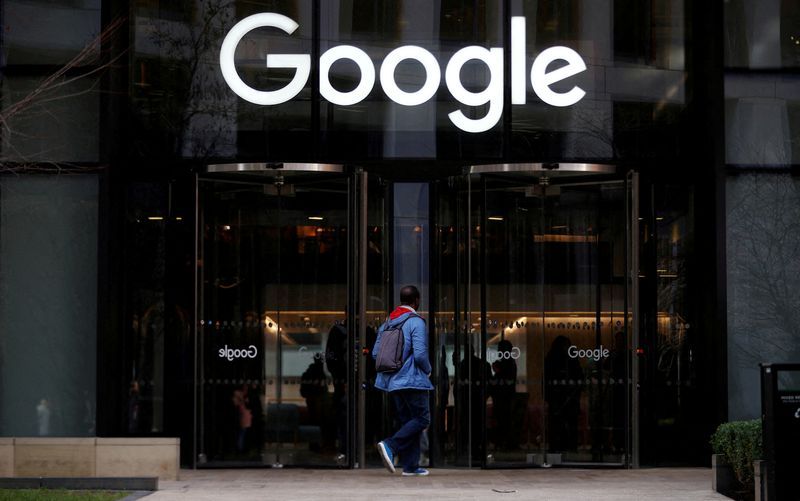
A Stockholm court has dealt a significant blow to Google's operations in Scandinavia by awarding Alphabet's subsidiary 14.3 billion Swedish crowns—approximately $1.5 billion—in damages to PriceRunner, the price comparison platform owned by Swedish fintech company Klarna. The Stockholm Patent and Market Court's decision, announced on Wednesday, represents one of the most substantial antitrust damages awards against the technology giant in Europe and underscores growing judicial scrutiny of the company's market practices across the continent.
The ruling stems from a 2022 lawsuit in which PriceRunner alleged that Google had systematically manipulated its search algorithm to favour its own price comparison service while deliberately demoting competing alternatives. The court found substantial merit in these claims, determining that Google's conduct constituted illegal abuse of its dominant position in search and caused demonstrable financial harm to the Swedish company over an extended period.
According to the court's statement, Google's preferential treatment of its own comparison shopping service operated without legal justification for many years, creating an uneven competitive landscape that disadvantaged independent operators like PriceRunner. The judges concluded that this wasn't merely a case of algorithmic preference but rather a deliberate strategy to eliminate rivals and entrench Google's market dominance in the price comparison segment.
PriceRunner's initial claim had sought €2.1 billion—approximately $2.4 billion—in compensation, making the final award substantial though somewhat lower than the original demand. This reduction likely reflects the court's assessment of provable damages during the period of misconduct, though the magnitude still signals serious judicial concern about Google's competitive practices. The award encompasses both direct losses and the broader competitive disadvantage the company suffered as a result of Google's conduct.
This verdict arrives amid an intensifying regulatory environment for technology platforms across Europe. The European Union has been increasingly aggressive in pursuing antitrust cases against dominant tech companies, and national courts have begun following suit with their own enforcement actions. Sweden's decision demonstrates that this momentum extends beyond EU-level enforcement, with individual member states willing to award substantial damages to injured competitors who pursue private litigation.
For Malaysian and Southeast Asian readers, the Swedish ruling carries important implications about the future trajectory of tech regulation globally. As digital markets in the region expand and local companies increasingly compete against international platforms, this case illustrates how courts are beginning to protect domestic competitors through antitrust law. The precedent suggests that companies operating across multiple jurisdictions cannot assume their dominance in search or e-commerce will shield them from liability in smaller markets where they face local challengers.
Google's use of its search dominance to promote its own services has been a recurring theme in antitrust cases worldwide. The company faces similar accusations in the United States, where the Department of Justice has challenged its conduct in both search and digital advertising markets. The European Commission has also pursued multiple investigations targeting Google's practices in shopping comparison services and other sectors where the company operates competing products.
Klarna's ownership of PriceRunner adds an interesting dimension to this case, as the Swedish fintech company has itself expanded aggressively across international markets. The $1.5 billion award provides substantial resources that Klarna could invest in strengthening PriceRunner's competitive position or funding further expansion. For Klarna, this victory represents validation of its acquisition strategy and demonstrates that acquiring established platforms can pay dividends when those platforms have legitimate grievances against larger competitors.
The practical implications for Google remain significant. The company will likely appeal the decision, potentially sending the case to higher Swedish courts. However, even if the award is partially reduced on appeal, the precedent that Google can be held liable for manipulating search results to favour its own services has already been established. This increases the likelihood of similar lawsuits from other price comparison services and competitors across different European markets.
For competition authorities and courts across Southeast Asia, the Swedish ruling offers a roadmap for how to evaluate and remedy anticompetitive conduct by dominant platforms. As the region's digital economy matures and local regulations strengthen, governments may look to European precedents like this one when crafting their own enforcement strategies. The case demonstrates that private litigation, not just regulatory action, can serve as an effective tool for protecting market competition and compensating injured parties.
Google's conduct in the case represents what antitrust lawyers term "leveraging"—using dominance in one market (search) to gain unfair advantage in another (price comparison). Courts globally are becoming increasingly intolerant of this behaviour, particularly when it involves manipulating algorithmic results in ways that are invisible to consumers. The Swedish court's willingness to award such substantial damages signals that leveraging conducts will no longer go unpunished, even in relatively small markets like Sweden.
The ruling also highlights the growing sophistication of antitrust enforcement by smaller nations. Sweden, with a population of just over 10 million, has demonstrated that it possesses the judicial expertise and institutional capacity to take on technology giants and win significant awards. This capability, replicated across multiple European jurisdictions, creates a comprehensive enforcement framework that limits Google's ability to engage in anticompetitive behaviour across the continent.
As appeals inevitably follow, the case will likely take years to reach final resolution. Nevertheless, the Stockholm court's decision has already sent a clear message: technology platforms cannot assume they will escape accountability for anticompetitive conduct simply because they operate in smaller markets or because their misconduct affects relatively modest-sized competitors. For Google and other dominant technology companies operating globally, the Swedish judgment represents a cautionary tale about the long-term costs of prioritizing short-term competitive gains over compliance with antitrust law.

