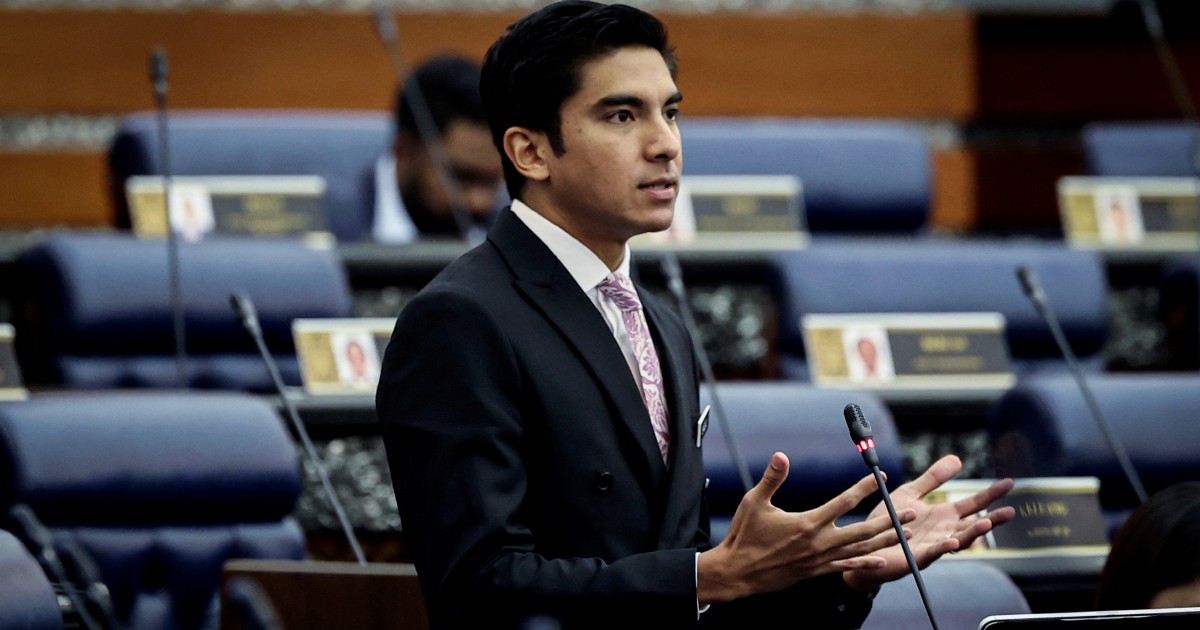
Muda MP Syed Saddiq Syed Abdul Rahman representing Muar has levelled serious accusations against the opposition benches for their decision to absent themselves from the parliamentary debate concerning the Tabung Haji Royal Commission of Inquiry report. The boycott, according to the Muda politician, represents a fundamental abandonment of the millions of ordinary Malaysians whose savings rest within the Islamic pilgrimage fund.
The accusation cuts to the heart of a long-standing controversy surrounding Tabung Haji, an institution that holds the financial trust of over 10 million depositors across the country. These funds represent decades of savings accumulated by Malaysian Muslims preparing for the hajj pilgrimage, one of Islam's five pillars. The Royal Commission of Inquiry was established to investigate serious governance and management failures that have plagued the organisation, particularly following financial losses and concerns about the security of depositor funds.
Syed Saddiq's criticism extends beyond mere procedural complaint about parliamentary attendance. His intervention highlights the growing divide within Malaysian politics regarding how seriously lawmakers treat matters affecting ordinary citizens' financial security. The opposition's decision to walk out, rather than engage in substantive questioning or debate, suggests a tactical political move rather than a principled stance on governance accountability. For depositors who have entrusted their savings to Tabung Haji through regular contributions over many years, such parliamentary absence sends a troubling message about whose interests truly matter in legislative chambers.
The Tabung Haji issue resonates deeply within Malaysian society because it transcends conventional political divides. The depositors represent a broad cross-section of the population united only by their Islamic faith and their commitment to fulfilling a religious obligation. Many are lower and middle-income Malaysians for whom the accumulated funds represent substantial personal wealth. When the institution's management encounters difficulties, these individuals bear the real consequences through potential diminished purchasing power or delayed pilgrimage opportunities.
Prior investigations and inquiries into Tabung Haji's operations have revealed troubling patterns of investment decisions that diverged significantly from prudent fund management practices. The Royal Commission of Inquiry represents an official mechanism for establishing accountability and recommending corrective measures. Parliamentary debate on such findings typically provides an opportunity for legislative oversight, enabling elected representatives from all parties to question officials, demand clarification, and discuss proposed reforms with visibility and public record.
The opposition's boycott effectively surrenders this opportunity for scrutiny. Whether motivated by internal party politics, disagreements about the RCI's composition, or other considerations, the result remains identical: millions of depositors lose the benefit of robust parliamentary questioning about matters affecting their financial security. This dynamic illustrates a recurring problem in Malaysian parliamentary democracy where political tactics sometimes override accountability mechanisms designed to protect citizens.
Syed Saddiq's intervention as a backbencher from the Muda party—neither aligned with the government coalition nor part of the traditional opposition—carries particular weight. His position outside conventional political fault lines lends credibility to his criticism, suggesting this represents genuine concern about democratic process rather than partisan jabs. The Muda party, which has attempted to position itself as a progressive alternative offering different political alternatives to younger Malaysians, naturally champions stronger parliamentary accountability on issues affecting citizens' welfare.
The Tabung Haji controversy also illustrates broader challenges facing Islamic financial institutions in Malaysia. These entities operate under specific religious and social mandates that distinguish them from conventional financial organisations. Balancing commercial viability with social responsibility, investment returns with ethical considerations, and transparency with proprietary concerns creates inherent tensions. Effective governance structures, robust internal controls, and genuine parliamentary oversight become essential mechanisms for ensuring these institutions meet their obligations to depositors.
For Southeast Asian observers watching Malaysian political development, the incident underscores broader questions about legislative effectiveness in the region. When opposition parties employ boycotts rather than engagement, when parliamentary sessions become occasions for tactical manoeuvres rather than substantive scrutiny, democratic institutions gradually lose legitimacy and effectiveness. The depositors ultimately suffer because real accountability becomes impossible regardless of which party holds power.
The timing and nature of this particular debate also matters. RCI reports typically represent significant investigative efforts involving substantial public resources. The findings and recommendations presumably offer pathways toward institutional reform and improved safeguards for depositor interests. Refusing to participate in discussing these findings suggests opposition lawmakers either lack confidence in influencing outcomes or prioritise other political calculations above protecting constituent interests. Neither alternative reflects well on parliamentary commitment to public service.
Syed Saddiq's public condemnation serves an important function by maintaining pressure on all political actors to remember whose interests truly matter. Depositors cannot influence parliamentary attendance or debate participation; they can only rely on elected representatives to champion accountability mechanisms on their behalf. When those representatives fail this basic responsibility through boycotts or absences, they breach fundamental democratic obligations regardless of their party affiliation or political disagreements with current leadership.
Moving forward, the Tabung Haji situation demands sustained political engagement across party lines. The institution's stability and the protection of depositor interests transcend partisan concerns. All parliamentary members, government and opposition alike, bear responsibility for ensuring that institutions holding public trust remain subject to genuine accountability, transparent governance, and effective oversight. Walkouts and boycotts, whatever their political justification, ultimately shortchange the millions whose financial security depends on institutional integrity.

