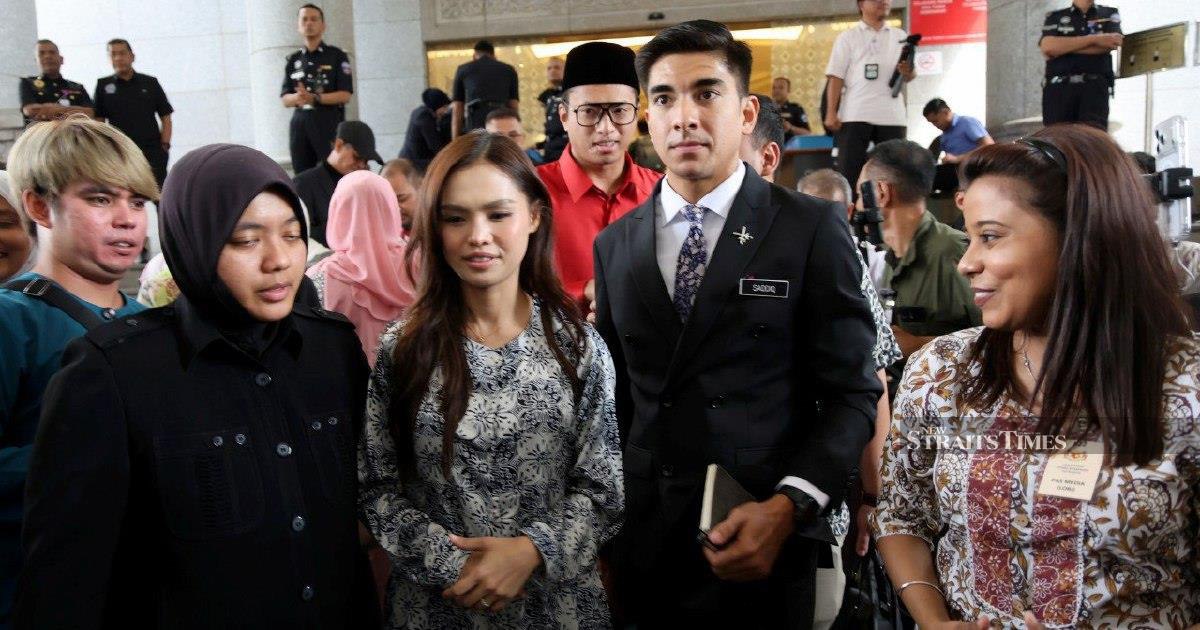
Muar Member of Parliament Syed Saddiq Syed Abdul Rahman is placing his personal life firmly at the centre of his immediate plans, signalling that his focus will remain on settling down rather than pursuing a return to the helm of Muda, the reform-oriented political party he established. The pronouncement comes in the wake of his recent acquittal in court proceedings that had previously cast a shadow over his political trajectory.
The timing of this statement reflects a broader reassessment by Syed Saddiq of his priorities following what he has characterised as a legal vindication. The Muar parliamentary representative acknowledged that while the court decision removes certain obstacles, he is not presently contemplating a formal bid to reclaim leadership of Muda, which he co-founded as a platform for younger Malaysians seeking fresh perspectives in national politics.
For Malaysian observers, this development carries significant implications for the internal dynamics of Muda and the broader landscape of opposition politics. Syed Saddiq remains one of the most visible faces associated with the party's founding vision, and his absence from the leadership vacuum has left many wondering about the party's strategic direction and identity. His current stance suggests that Muda will need to chart its own course independently, at least in the immediate term.
The decision to prioritise marriage aligns with Syed Saddiq's stated desire to establish stability in his personal circumstances before making major career decisions. This approach—separating personal milestones from political ambitions—represents a deliberate choice to avoid entangling his family life with the demands of party leadership. Such considerations are not unusual among Malaysian politicians navigating public scrutiny, yet they underscore the personal toll that extended legal proceedings and political uncertainty can exact.
Muda's trajectory since its founding has been marked by internal tensions and leadership transitions that have tested the cohesion of its membership base. The party, which styled itself as a vehicle for political reform and youth engagement, has struggled at times to translate its ideological platform into electoral momentum. The absence of clear leadership from its co-founder during this period has arguably deepened questions about the party's organisational stability and long-term viability within Malaysia's competitive political ecosystem.
Syed Saddiq's acquittal carries weight not merely as a personal vindication but as a statement on the conduct of legal proceedings involving prominent political figures. The resolution of his case removes one significant distraction from Malaysian politics, though observers note that questions persist regarding the broader context in which such cases emerge and the perceptions they create among the electorate regarding institutional independence.
The Muar MP's decision also reflects practical considerations about the energy and commitment required to lead a political party. Establishing a new household involves substantial personal investment of time and attention. Syed Saddiq's acknowledgement that marriage deserves this priority suggests a mature assessment of competing demands rather than any diminishment of his political commitment.
For Muda supporters and party members, the situation presents both challenge and opportunity. The absence of a leadership bid from the party's most prominent founder figure forces members to grapple with succession planning and the cultivation of alternative leadership voices. This could either catalyse the emergence of new talent within Muda's ranks or precipitate further fragmentation if members lack confidence in available alternatives.
The broader Malaysian political landscape continues to evolve at a rapid pace, with coalition dynamics, state-level politics, and demographic shifts creating an environment of considerable flux. Syed Saddiq's decision to step back from immediate leadership considerations allows him to observe these changes and perhaps reassess his own role within them once his personal circumstances stabilise. This period of political reflection and personal consolidation may ultimately prove strategically advantageous.
From a regional perspective, Malaysia's experiment with newer political movements like Muda reflects broader Southeast Asian trends toward generational change and demands for institutional reform. The fate of such movements—and the role of their founders in their evolution—provides instructive lessons for other countries in the region grappling with questions of political renewal and youth engagement.
Syed Saddiq's statement also carries implications for Pakatan Harapan coalition dynamics, of which Muda is a member party. Leadership uncertainties within coalition partners can create complexities for united opposition strategy, particularly as Malaysia approaches future electoral contests at state and federal levels.
Looking forward, Syed Saddiq's positioning leaves open the possibility of future involvement with Muda in some capacity, though perhaps not immediately in a formal leadership role. His legal vindication provides the foundation for rebuilding his public profile on his own terms, without the constraints that legal proceedings previously imposed. The question of whether he will eventually return to lead Muda remains open-ended, contingent upon both personal circumstances and the party's evolution during his current period of relative distance from its daily operations.

