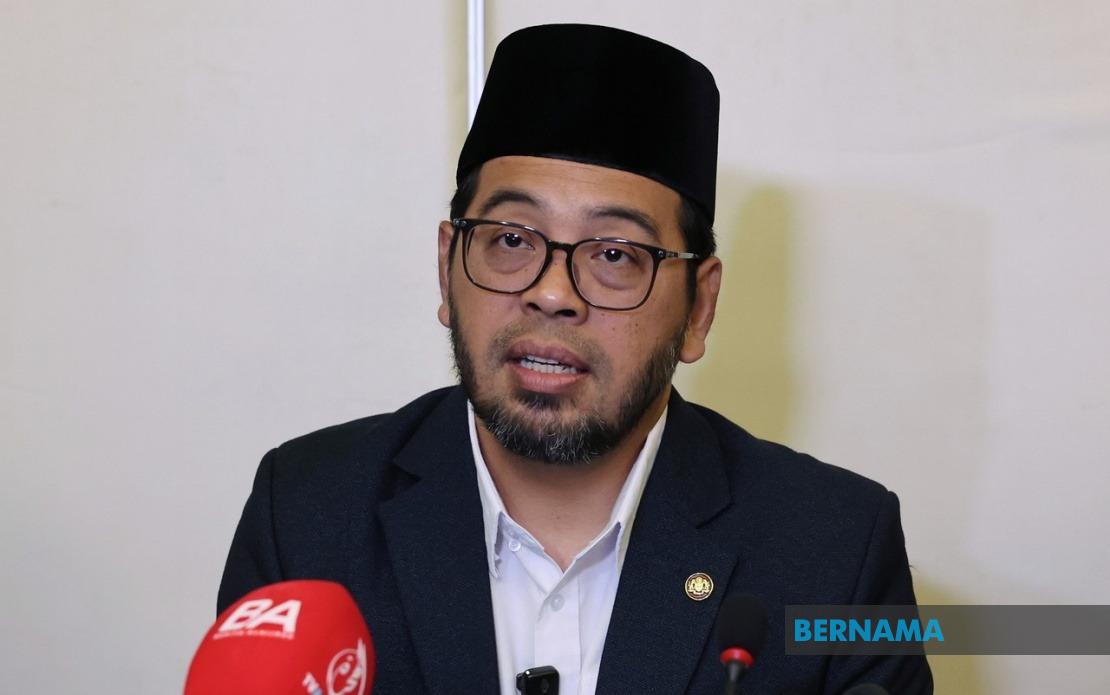
Tabung Haji has undergone substantial institutional restoration since the MADANI Government took office in late 2022, according to Religious Affairs Minister Dr Zulkifli Hasan, positioning the sacred trust fund in its best shape in years. The minister made the declaration during a special parliamentary sitting that formally tabled the long-awaited Royal Commission of Inquiry report on the fund's operations and finances, marking a pivotal moment in addressing years of management concerns that had festered since 2018.
When the current administration assumed power, Tabung Haji carried a significant burden of legacy difficulties inherited from previous stewardship. The fund struggled with less productive assets and structural complications accumulated over years of operational drift. Rather than rushing into hasty remediation measures, the government deliberately granted the institution breathing room to execute its own comprehensive turnaround strategy, recognising that sustainable recovery required stabilisation of internal practices before public accountability measures.
The transformation has yielded tangible results that extend beyond financial metrics. Over a four-year period, Tabung Haji secured five World's Best Haj Management Awards, a recognition that underscores how capable and ethically-grounded leadership can successfully restore institutional credibility. These international accolades serve as external validation that the fund's operational competence and integrity standards now align with global benchmarks for managing pilgrimage services and depositor assets.
Parallel to the recovery efforts, the Cabinet moved decisively on 29 July to release the 211-page RCI report to public scrutiny and initiate parliamentary debate. This decision represented a watershed moment in transparency, breaking with prior reluctance to expose the findings comprehensively. The report, prepared by a panel chaired by former Chief Justice Tun Mohamed Raus Sharif and comprising five specialists spanning public administration, banking, finance, Islamic law and accounting, identified operational and governance weaknesses spanning the 2014 to 2020 period. The commission forwarded 25 recommendations for systemic improvement, of which three-quarters had been implemented by late July, with remaining measures actively underway.
The government's commitment to accountability crystallised further through enforcement action. Following the Cabinet decision, the Malaysian Anti-Corruption Commission and police launched investigations into individuals implicated in asset misappropriation detailed within the RCI findings. Several key figures faced detention and questioning as part of this coordinated response, sending an unmistakable signal that the administration will not tolerate abuse of power or breach of trust involving funds earmarked for pilgrims.
This resolute approach aligns with explicit royal direction from His Majesty Sultan Ibrahim, King of Malaysia, who decreed that investigations proceed comprehensively, transparently and without compromise, leaving no stone unturned in pursuit of truth. The royal instruction elevated the matter beyond routine administrative compliance, framing accountability as a constitutional priority reflective of broader governance principles.
The gravity of Tabung Haji's role in Malaysian society underscores why these actions carry profound significance beyond institutional management. The fund holds deposits accumulated through years of disciplined saving by ordinary Malaysians—parents building education futures for children, schoolteachers, modest traders, pensioners, agricultural workers, rubber tappers and taxi drivers. These savers are not motivated by profit-seeking; their driving purpose is fulfilling the Islamic pillar of the Hajj. This sacred dimension of the fund creates a fiduciary relationship that cannot be treated as mere accounting exercise.
Dr Zulkifli articulated why transparency became non-negotiable once institutional trust faced compromise. The minister rejected approaches that might shroud findings in bureaucratic silence, emphasising that the scale and nature of the trust placed in Tabung Haji precluded sweeping difficulties aside or allowing political narratives to distort public understanding. The deposits represent not arbitrary savings but aspirational commitments rooted in religious obligation and family planning.
The decision to publicise findings and pursue investigations reflects a principled stance that decisions affecting Tabung Haji must centre depositor confidence and the institution's trustworthiness as foundational requirements. Any allegations of trust breaches demand rigorous investigation to establish facts, identify governance failures, and implement corrective measures preventing recurrence. This investigative spirit motivated the RCI's establishment under the previous government in 2021, even if full transparency only followed with the current administration's assumption of office.
For Malaysian depositors and the broader Muslim community, the sequence of government actions offers measured reassurance. The recovery process demonstrates that institutional deterioration can be arrested and reversed through determined management and structural reform. The international recognition through multiple haj management awards suggests that the fund's core operations now function with requisite professionalism and ethical standards.
Southeast Asia's broader Islamic finance sector watches developments at Tabung Haji closely, as the institution's recovery trajectory influences regional confidence in faith-based financial governance. How decisively Malaysia addresses historical lapses and implements forward-looking reforms may shape investor and depositor expectations across comparable institutions throughout the region.
Moving forward, the government's challenge involves completing remaining RCI recommendations while sustaining the operational excellence that international recognition reflects. The investigations underway must run their course thoroughly, ensuring that accountability mechanisms deliver justice without political interference. Simultaneously, rebuilding and maintaining depositor confidence demands continued institutional transparency and governance improvements that put the interests of pilgrims foremost.

