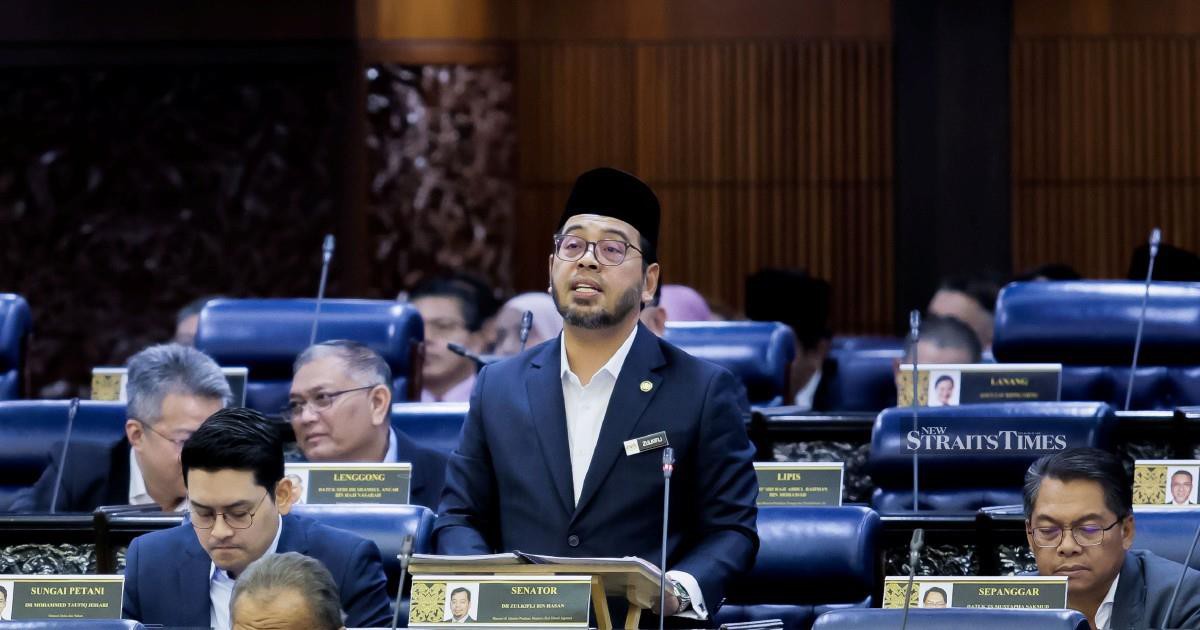
Tabung Haji has taken formal action following damaging findings in a Royal Commission of Inquiry probe, lodging 12 separate reports with the police and Malaysian Anti-Corruption Commission. The move represents the pilgrimage fund's attempt to address governance concerns flagged during the high-level investigation into its operations and financial management.
The RCI report, which examined Tabung Haji's stewardship of billions in savings intended for Malaysian Muslims planning the hajj pilgrimage, apparently identified issues significant enough to warrant referral to both criminal and anti-corruption authorities. By submitting 12 distinct reports rather than a consolidated submission, Tabung Haji appears to be breaking down findings into specific categories or incidents for investigation.
This development carries considerable weight for Malaysia's Muslim-majority population, as Tabung Haji manages funds accumulated over decades from millions of contributing pilgrims. The institution's credibility and the security of these savings are matters of deep national concern. Any governance failures or mismanagement would affect not only individual depositors but the fund's ability to finance pilgrimage journeys for its members, a religious obligation central to Islamic practice.
The RCI investigation itself represents a significant governmental intervention into one of Malaysia's largest financial institutions. Royal Commissions of Inquiry are rare and typically convened to examine matters of substantial public importance where standard oversight mechanisms have proven insufficient. The initiation of such an inquiry signals that concerns about Tabung Haji's operations had escalated beyond routine regulatory scrutiny.
Tabung Haji's decision to immediately report its findings to both police and the Malaysian Anti-Corruption Commission demonstrates recognition of the serious nature of whatever the RCI uncovered. The dual reporting approach suggests potential involvement of both financial crimes and corruption allegations, as each agency maintains distinct investigative mandates. Police typically handle criminal matters including fraud, while the MACC specialises in corruption investigations within public bodies and officials.
The timing and scope of these 12 reports will now shape the investigation trajectory. Authorities will need to examine whether the issues identified relate to individual misconduct, systemic failures in governance structures, or both. Previous scrutiny of large Malaysian funds has sometimes revealed a combination of poor oversight, inadequate conflict-of-interest safeguards, and individual actors exploiting organisational vulnerabilities.
For Malaysian pilgrims, this process presents both reassurance and uncertainty. The formal referral to authorities suggests the institution is taking accountability seriously and not attempting to suppress findings. However, ongoing investigations may temporarily cloud confidence in the fund's management and potentially complicate operational decisions during the investigative period. Thousands of Malaysians depend on Tabung Haji funding to fulfil their hajj aspirations within defined timeframes.
The broader implications extend to governance standards across Malaysia's public institutions and government-linked companies. If significant failings emerge from the investigation, authorities will face pressure to implement reforms affecting how similar large funds are overseen. This could include enhanced transparency requirements, strengthened governance committees, and more rigorous financial auditing procedures.
Regional observers will also monitor how Malaysia addresses any findings. As a Muslim-majority nation with substantial Islamic financial institutions, Malaysia's handling of governance lapses at Tabung Haji carries implications for confidence in Islamic financial systems across Southeast Asia. Effective oversight and transparent accountability mechanisms strengthen the entire ecosystem of Islamic finance in the region.
The investigation phase will now depend on police and MACC resources and prioritisation. Complex financial investigations often require months or years to complete, particularly when examining institutional practices across multiple departments and time periods. Both authorities will likely coordinate efforts to avoid duplication while ensuring comprehensive coverage of the 12 reported matters.
Stakeholders including pilgrims, their families, parliament members overseeing government-linked companies, and Malaysia's broader Muslim community will anticipate clear findings and concrete corrective actions. The quantum of any identified misconduct and the institutional or individual responsibility established through investigation will significantly shape public perception of Tabung Haji's future stewardship.
Ultimately, these 12 reports represent a critical moment for institutional accountability in Malaysia. Whether the investigation process leads to meaningful reforms and, if necessary, prosecutions will determine whether Tabung Haji emerges with restored confidence among its millions of members. The coming months will reveal whether the RCI's work catalyses genuine improvement in the fund's governance standards.

