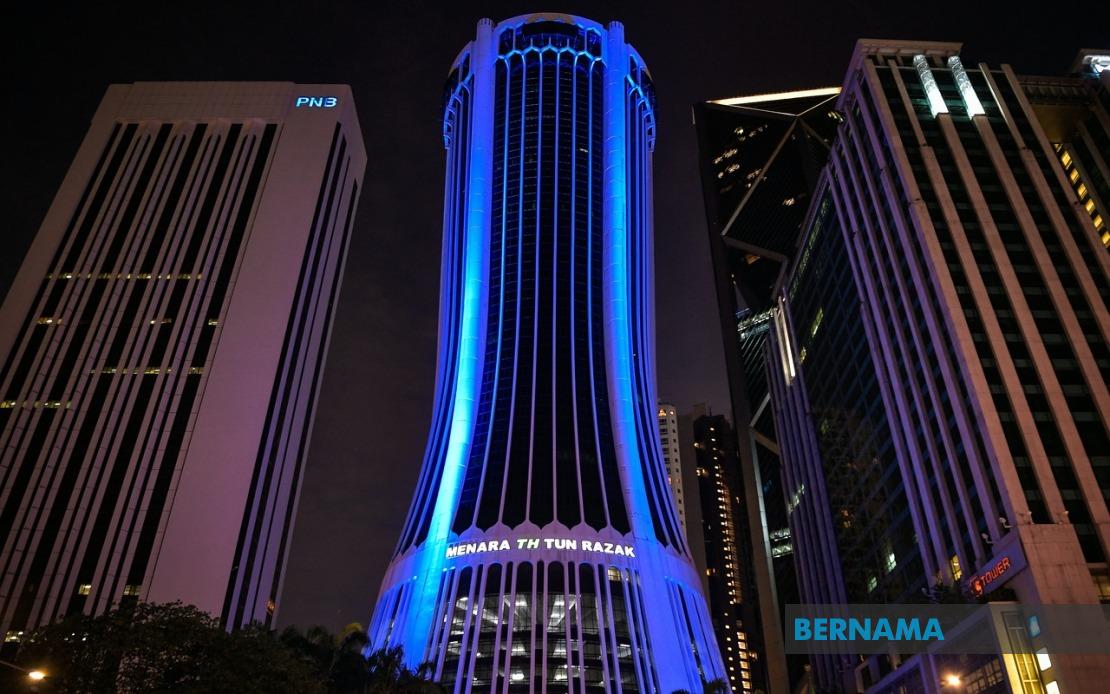
Institutional credibility hinges on transparent dialogue with stakeholders, and Tabung Haji faces a critical juncture in rebuilding the confidence of millions of Malaysian pilgrims whose savings are entrusted to the organisation. Two prominent Malaysian experts have outlined a strategic communications framework that could help the hajj savings agency navigate the fallout from damaging governance revelations contained in the Royal Commission of Inquiry report released in July.
Dr Mohd Kamarul Amree Mohd Sarkam, a Senior Lecturer at the Academy of Islamic Defence Studies at Universiti Pertahanan Nasional Malaysia, emphasises that Tabung Haji cannot afford passive communication. The institution must actively deploy digital channels to articulate how it is addressing systemic weaknesses identified during the period from 2014 to 2020. This approach recognises a fundamental demographic reality: the bulk of Tabung Haji's deposit base comprises millennials and Generation Z savers who primarily consume information through social media and online platforms. By leveraging these channels consistently and strategically, Tabung Haji can demonstrate genuine commitment to reform rather than simply issuing occasional press releases.
The governance overhaul that Dr Mohd Kamarul Amree advocates extends beyond communication tactics into institutional restructuring. He contends that appointing subject-matter experts and seasoned business professionals to senior management positions—rather than individuals selected through political patronage networks—represents an essential first step toward restoring public trust. This shift would signal to depositors that operational decisions prioritise professional competence and fiduciary responsibility over partisan considerations. The removal of political influence from Tabung Haji's leadership structure would align the organisation with international best practices in institutional governance and strengthen its autonomous decision-making capacity.
Implementation of the 25 recommendations outlined in the Royal Commission report is non-negotiable, according to both experts. Proposed amendments to the Tabung Haji Act, which the RCI identified as necessary reforms, should be enacted without delay to create robust governance frameworks. Additionally, placing management of Tabung Haji's financial portfolio directly under the oversight of the Minister of Finance would enhance accountability and reduce the likelihood of autonomous mismanagement. These structural changes provide the institutional guardrails needed to prevent the kind of governance lapses that prompted the inquiry in the first place.
Dr Mohd Afzanizam Abdul Rashid, chief economist at Bank Muamalat Malaysia, brings a financial sector perspective to the discussion, stressing that Tabung Haji must proactively dispel confusion regarding the timing and scope of the RCI findings. Since the report was finalised in 2022 rather than recently, Tabung Haji should clarify to depositors that investigations occurred several years ago and that corrective measures are now being implemented. This temporal clarity prevents misinformation from taking root and gives weight to assurances about the organisation's ongoing financial stability. For millions of ordinary Malaysians whose hajj savings represent a significant religious and financial commitment, such reassurance carries profound importance.
Outreach programmes structured as town hall sessions across multiple districts would create invaluable opportunities for direct depositor engagement. These grassroots forums allow Tabung Haji officials to address specific concerns from affected communities, hear grievances firsthand, and explain reform initiatives in accessible language. The district-by-district approach recognises that depositors are geographically dispersed across Malaysia and have varying levels of financial literacy. By bringing explanations directly to communities rather than expecting depositors to seek information centrally, Tabung Haji demonstrates respect for their stakeholders and commitment to genuine two-way dialogue.
The broader governance context matters significantly for Tabung Haji's rehabilitation efforts. The RCI report itself functions as a sobering institutional reminder that transparent governance structures and checks against power concentration prevent misconduct. Tabung Haji's response to these findings will either reinforce or undermine broader government initiatives aimed at strengthening integrity across public institutions and eradicating corruption. The organisation operates at the intersection of religious trust, financial management, and state responsibility, making its governance standards particularly consequential for public confidence in Malaysian institutions generally.
Tabung Haji's hajj management quality has earned recognition from Saudi Arabian authorities, representing a genuine institutional strength that should feature prominently in communications strategy. Rather than focusing exclusively on weaknesses and reforms, Tabung Haji should narrate its management achievements and explain how governance improvements will enable even stronger performance in future. This balanced narrative—acknowledging problems while emphasising ongoing excellence—provides a more credible basis for confidence restoration than purely defensive communications.
The path forward requires urgency coupled with strategic patience. Depositors must understand that governance transformation takes time, but they should observe tangible evidence of reform implementation throughout the process. Digital communication maintains constant visibility between formal reporting periods, allowing Tabung Haji to share milestones and demonstrate progress in real time. For an institution managing the spiritual and financial aspirations of millions of Malaysian Muslims, such transparent engagement represents both an ethical obligation and a practical necessity for institutional survival.

