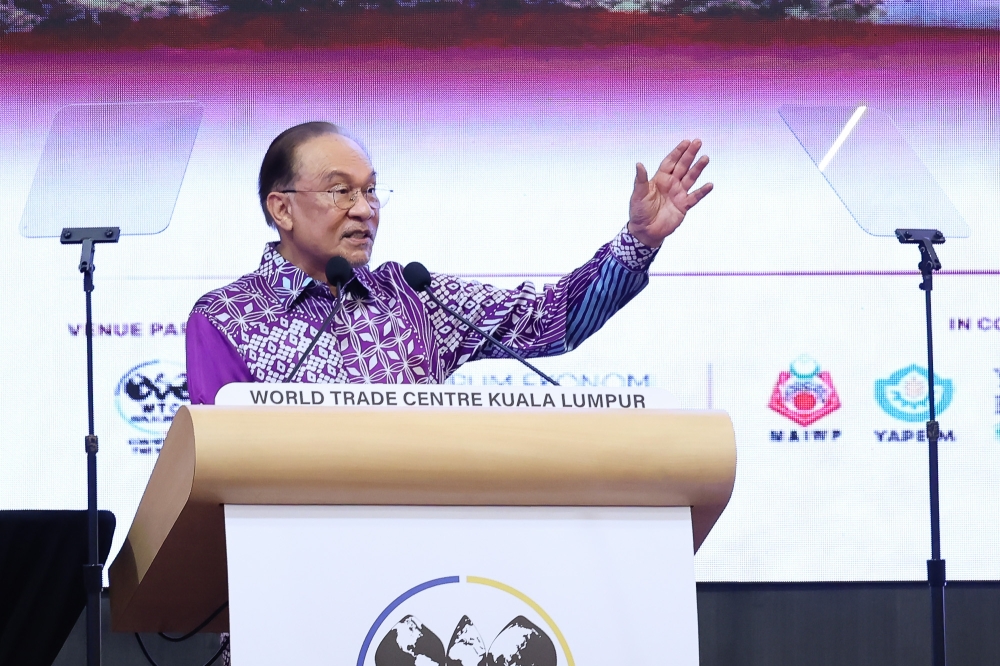
Prime Minister Datuk Seri Anwar Ibrahim has affirmed that Tabung Haji, the nation's statutory pilgrimage fund, stands on considerably stronger financial ground after undergoing significant institutional reforms. Speaking in Kuala Lumpur, Anwar additionally committed to releasing the long-anticipated Royal Commission of Inquiry report, signalling the government's intent to bring closure to questions about the fund's historical management troubles.
The restructuring of Tabung Haji marks a pivotal moment for an institution that has faced considerable scrutiny over its investment decisions and financial stewardship. For millions of Malaysian Muslims who depend on the fund to realise their Hajj aspirations, the remedial measures represent a critical reassurance about the safety and viability of their savings. The fund's difficulties in recent years had prompted calls for greater transparency and accountability, particularly regarding how it managed accumulated pilgrim contributions.
Anwar's emphasis on the fund's improved standing reflects the government's recognition that restoring public confidence in key financial institutions remains essential for social stability. Tabung Haji serves as the primary vehicle through which ordinary Malaysians accumulate savings dedicated to performing the Islamic pilgrimage, making its operational integrity a matter affecting both personal religious obligation and financial security. When the fund encounters difficulties, the ramifications extend beyond balance sheets to affect the aspirations and peace of mind of millions of savers.
The timing of Anwar's announcement carries significance within the broader context of Malaysia's economic recovery and governance agenda. The Prime Minister has positioned financial sector reform as integral to restoring investor confidence and strengthening institutional credibility. By publicly confirming Tabung Haji's improved position, he seeks to demonstrate tangible progress on commitments to enhance oversight and management practices across state-linked entities.
The pending Royal Commission of Inquiry report represents the government's formal investigation into matters that had generated considerable public concern about Tabung Haji's stewardship. The document is expected to provide comprehensive findings regarding past investment strategies, governance structures, and the factors that contributed to financial underperformance. Such transparency, once released, will enable stakeholders—including contributing members, policymakers, and the broader public—to understand precisely what occurred and what systemic safeguards have been implemented to prevent recurrence.
For Malaysian pilgrims, the assurance of improved fund stability carries profound emotional and financial weight. Many accumulate savings over decades specifically through Tabung Haji, treating contributions as sacred obligations aligned with their faith commitments. When institutional mismanagement threatens those savings, it strikes at something deeper than mere financial loss. The government's demonstrated commitment to reform and disclosure therefore addresses concerns extending beyond conventional economic indicators.
The broader Southeast Asian context amplifies the significance of Tabung Haji's recovery. Across the region, Islamic financial institutions and pilgrimage-related funds serve comparable functions for Muslim populations. Malaysia's approach to addressing institutional shortcomings in this sector can offer lessons—both positive and cautionary—to neighbouring countries managing similar challenges. Effective governance of religiously-aligned financial mechanisms influences regional economic stability and cross-border financial cooperation.
Anwar's pledge to release the RCI report without extended delay also signals a shift toward more expeditious government communication on sensitive matters. The extended deferral of the report's release had itself become a subject of public discussion and conjecture. By committing to timely disclosure, the Prime Minister moves to satisfy legitimate demands for information and to close a chapter of institutional uncertainty.
The investment community and ratings agencies scrutinise how governments handle high-profile financial institution reforms. Malaysia's management of the Tabung Haji situation serves as an indicator of the administration's commitment to proper corporate governance, investor protection, and institutional accountability. These factors influence how both domestic and international investors assess the broader investment climate and the reliability of regulatory frameworks.
Substantial work has evidently been undertaken to rehabilitate the fund's operational and financial position. Whether through governance restructuring, improved internal controls, revised investment frameworks, or enhanced regulatory oversight, these interventions represent meaningful steps toward institutional strengthening. The evidence of tangible improvement, rather than merely superficial adjustments, will ultimately determine whether public confidence genuinely recovers.
Moving forward, the release of the RCI report will constitute a crucial juncture for narrative closure and institutional rebuilding. Comprehensive disclosure of findings, combined with demonstrated implementation of recommended improvements, can transform Tabung Haji from an institution associated with past troubles into one exemplifying reformed governance standards. For Malaysian pilgrims and the broader Muslim community dependent on the fund, this represents the opportunity for restored assurance that their savings remain secure and properly stewarded.

