Tabung Haji continues to aggressively pursue recovery of an outstanding arbitration award from Saudi Arabia-based property developer Al-Rawda Real Estates Development & Project Management Co Ltd, which has failed to honour a settlement agreement reached in November 2024. The developer has remitted only 14.9 million Saudi riyal (approximately RM16.2 million) against a 899 million Saudi riyal arbitration award, leaving Tabung Haji with an unpaid balance equivalent to roughly RM979 million at current exchange rates.
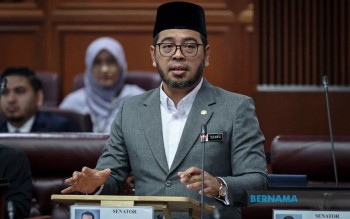
Dr Zulkifli Hasan, Minister in the Prime Minister's Department (Religious Affairs), revealed that Tabung Haji has terminated the settlement agreement and escalated collection efforts following Al-Rawda's failure to honour payment commitments. The hajj fund has now engaged specialist asset tracing consultants to identify and pursue recovery from the developer's assets, recognizing that conventional enforcement measures have proven insufficient given Al-Rawda's reported inability to satisfy the full award amount.
The troubled relationship between Tabung Haji and Al-Rawda originated from what Dr Zulkifli characterized as an extraordinary and atypical transaction spanning 2015 to 2017. During this period, Tabung Haji leased four hotels located in the holy cities of Makkah and Madinah, committing approximately RM1.55 billion upfront to Al-Rawda for lease periods ranging from 10 to 18 years. This substantial initial outlay was structured as a long-term investment intended to generate ongoing returns through hotel operations serving hajj pilgrims.
Beyond the lease arrangement, Tabung Haji appointed Al-Rawda as the operator of all four properties under a comprehensive Management and Operation Agreement. The arrangement stipulated that Al-Rawda would provide 2.49 billion Saudi riyal in annual lease rental income to Tabung Haji. In return for this operational commitment, Tabung Haji accepted a promissory note personally guaranteed only by Al-Rawda's owner, Dr Mashhoor Ali Omar Almadoodi. This structure proved problematic, as the security offered was limited to a personal guarantee rather than corporate assets or conventional collateral.
The arrangement deteriorated significantly when Al-Rawda ceased rental payments in March 2019, halting the income stream that Tabung Haji had anticipated to offset its substantial upfront investment. The cessation of payments prompted Tabung Haji to initiate formal enforcement proceedings through the Saudi Arabian legal system, seeking to recover accumulated arrears and enforce compliance with the original agreement.
Disputes intensified when Al-Rawda initiated its own arbitration proceedings against Tabung Haji. However, the arbitration process ultimately vindicated Tabung Haji's position. The Final Award, issued on April 16, 2023, ordered Al-Rawda to pay the full 899 million Saudi riyal to Tabung Haji. This decision represented a significant legal victory for the Malaysian hajj fund, though the subsequent challenge of actually collecting the award has proven formidable.
The Al-Rawda transaction forms part of a broader pattern of problematic investments identified by the Royal Commission of Inquiry into Tabung Haji. The RCI report, publicly released on July 29 following its submission to the King on August 30, 2022, identified Al-Rawda among 14 troubled investments collectively responsible for losses totalling billions of ringgit. These investments reflected systemic weaknesses in due diligence, governance oversight, and risk management that compromised Tabung Haji's financial position during the 2014-2020 period under review.
Dr Zulkifli emphasized that Tabung Haji has pursued every available legal remedy against Al-Rawda, acknowledging however that the developer's constrained financial capacity severely limits recovery prospects through traditional enforcement channels. The decision to engage asset tracing specialists represents a strategic shift toward identifying and recovering undisclosed assets that might satisfy the arbitration award. This approach is particularly relevant given Al-Rawda's apparent inability or unwillingness to liquidate known assets to meet its obligations.
The 211-page RCI report contained 25 specific recommendations aimed at strengthening Tabung Haji's governance, investment practices, and operational management. As of late July 2024, Tabung Haji had implemented approximately 75 percent of these recommendations, demonstrating institutional commitment to reform. These improvements are intended to prevent recurrence of situations comparable to the Al-Rawda episode, where inadequate due diligence and overly aggressive investment structuring created substantial exposure.
For Malaysian pilgrims and stakeholders in Tabung Haji, this protracted dispute underscores the fund's efforts to restore its financial position following years of deterioration caused by misjudged overseas investments. The successful arbitration award against Al-Rawda provides legal grounds for recovery, yet the practical challenge of extracting payments from a developer lacking apparent resources demonstrates the inadequacy of legal victories unsupported by enforceable assets. Tabung Haji's asset tracing initiative represents a pragmatic acknowledgment that recovery will require creative enforcement strategies extending beyond conventional litigation approaches.

