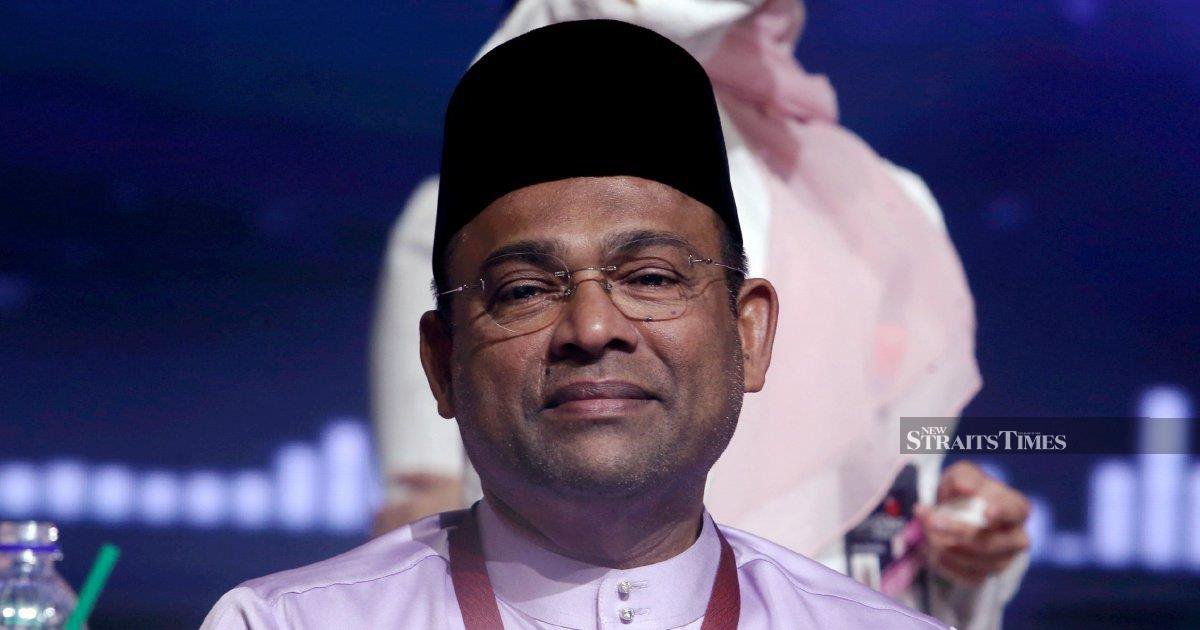
Datuk Seri Abdul Azeez Abdul Rahim, who previously helmed Tabung Haji as chairman, has rejected demands from Bersatu to disclose whether the Malaysian Anti-Corruption Commission has sought his testimony regarding the Royal Commission of Inquiry's investigation into the pilgrim fund. His response signals a widening political dispute over accountability in one of Malaysia's most significant financial scandals.
The former leader's dismissal of the call reflects the intensifying pressure on multiple fronts to explain governance failures at Tabung Haji, an institution responsible for managing hajj savings for approximately 1.7 million Malaysian Muslims. The RCI's findings have triggered a cascade of political finger-pointing, with various factions attempting to distance themselves from the fund's deteriorating financial position and alleged mismanagement.
The controversy surrounding Tabung Haji has exposed deep structural weaknesses in how the pilgrim fund operated under successive administrations. The institution accumulated substantial losses through poor investment decisions, questionable lending practices, and inadequate oversight mechanisms over several years. These failures have left countless Malaysians concerned about the safety of their hajj savings, a matter of profound religious and financial significance.
Abdul Azeez's refusal to directly address whether MACC contacted him about the RCI report represents a calculated political move within the broader context of Malaysia's complicated post-2022 political landscape. Bersatu's pressure on the former Tabung Haji leader appears designed to amplify scrutiny on the previous administration's role in the fund's mismanagement, though the strategy also risks exposing the current coalition government's limited accountability mechanisms.
The RCI investigation was commissioned to establish the truth behind Tabung Haji's financial crisis and identify those responsible for the losses incurred. The commission's mandate included examining investment strategies, governance structures, and the decision-making processes that led to the fund's deterioration. A comprehensive inquiry into such a significant institutional failure would typically necessitate detailed testimony from former leadership, making Abdul Azeez's apparent evasion noteworthy.
Tabung Haji's financial troubles have become increasingly difficult to conceal from public scrutiny. The fund's accumulated losses have directly impacted its ability to process hajj applications and manage payouts to members, creating hardship for millions of Malaysians. This tangible impact on ordinary citizens has transformed the inquiry from an abstract governance matter into a pressing national concern affecting family finances and religious obligations.
The pilgrimage fund's governance crisis reflects broader institutional weaknesses across Malaysia's public financial sector. Inadequate regulatory oversight, insufficient board independence, and the absence of robust risk management frameworks have created environments where mismanagement can flourish unchecked. The Tabung Haji situation serves as a cautionary example of how even respected institutions can deteriorate without proper accountability structures and transparent decision-making processes.
Bersatu's intervention in demanding clarity from Abdul Azeez suggests the matter remains politically charged despite the transition in government. Opposition parties continue leveraging the scandal to demonstrate that previous administrations bore responsibility for public sector failures. This political contestation, while understandable, potentially complicates efforts to conduct a thorough, impartial inquiry focused solely on establishing facts rather than scoring political points.
The MACC's involvement indicates the inquiry has moved beyond administrative investigation into territory suggesting potential criminality or corruption. Anti-corruption authorities typically become engaged when there are indicators of wrongdoing beyond simple mismanagement. Abdul Azeez's reluctance to clarify his contact with the agency fuels speculation about what the investigation may have uncovered and whether former leadership faced direct allegations.
Regional observers have noted Malaysia's recurrent struggles with institutional accountability within government-linked entities. Tabung Haji joins a troubling catalogue of Malaysian institutions requiring intervention due to governance failures and financial mismanagement. These repeated episodes suggest systemic problems requiring fundamental reform across public financial management rather than isolated corrections.
Moving forward, the Malaysian government faces pressure to demonstrate that the Tabung Haji inquiry will yield meaningful accountability and institutional reform. Stakeholders—particularly the millions of Malaysians whose retirement savings and pilgrimage plans depend on the fund's recovery—deserve transparency about what occurred and assurance that corrective measures will prevent recurrence. The inquiry's findings must translate into concrete improvements in governance, oversight, and decision-making authority.
The standoff between Bersatu and Abdul Azeez encapsulates Malaysia's broader challenge in establishing consistent accountability standards across public institutions. Until former officials face clear expectations to cooperate with investigations and answer substantive questions about their roles in institutional failures, public confidence in governance remains vulnerable. The pilgrimage fund crisis ultimately represents not just financial mismanagement but a test of whether Malaysia's institutions can achieve the transparency and accountability essential for public trust.

