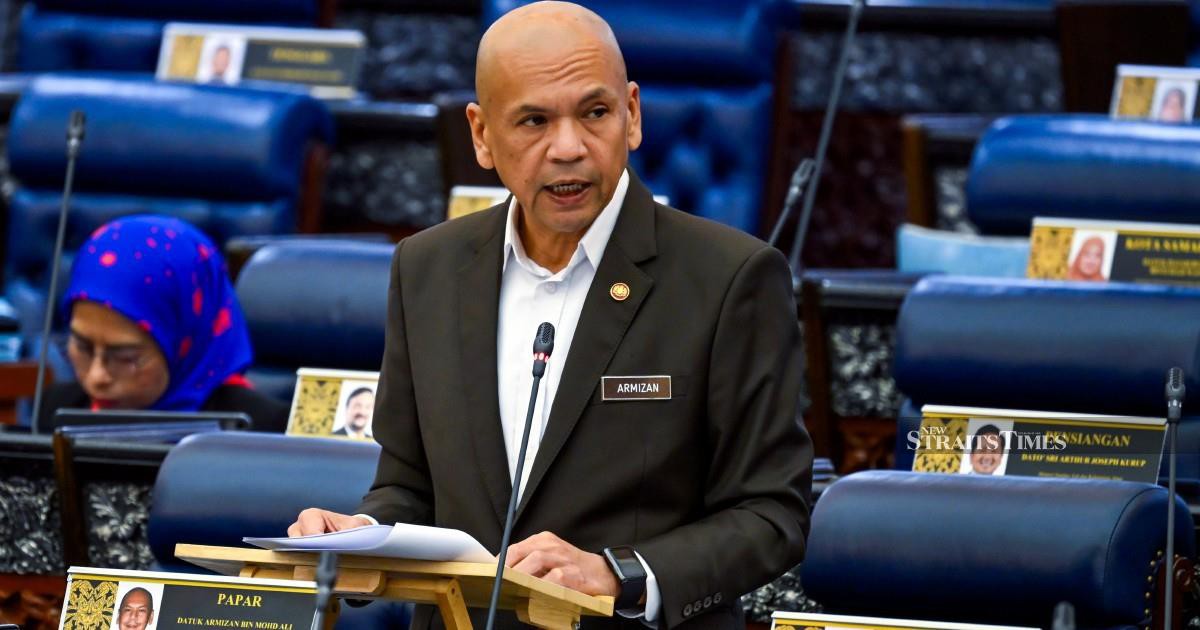
Lawmakers in Parliament voiced fresh concerns on Tuesday about whether the audit reports submitted to Malaysia's Cabinet and Parliament by Tabung Haji can be trusted, following the release of findings from the Royal Commission of Inquiry into the troubled Islamic financial institution. The RCI's conclusions have prompted questions about the robustness of oversight mechanisms that were supposed to safeguard public funds entrusted to the hajj management authority. Members of Parliament have signalled that the credibility of financial assurances previously given to decision-makers and the public may have been compromised by deficiencies in the audit process.
The timing and scope of the RCI investigation into Tabung Haji underscore mounting frustration among legislators regarding how extensively the fund's operational and financial practices were examined before matters deteriorated. For more than two decades, Tabung Haji—which manages savings and investments for Malaysian Muslims preparing for the pilgrimage to Mecca—had been granted substantial discretion in managing billions of ringgit in depositor funds. The institution's apparent regulatory gaps, now highlighted by the commission's work, suggest that conventional audit frameworks may have been insufficient to detect or prevent accumulating problems within the organisation's investment strategies and governance structures.
The inquiry's conclusions have implications that extend beyond Tabung Haji itself, as they raise systemic questions about how Malaysia's regulatory bodies and parliamentary oversight committees verify the integrity of financial institutions handling public and community assets. If audit reports on such a significant Islamic financial entity were inadequate in their scrutiny, questions naturally emerge about whether similar blind spots exist elsewhere in the institutional landscape. The RCI's examination appears to have identified gaps between what auditors formally certified and the actual operational reality within the organisation, a discrepancy that lawmakers are treating as a matter of urgent concern.
The findings challenge the assumption that annual audit sign-offs automatically translate into genuine transparency and accountability. Tabung Haji's situation demonstrates that formal compliance with audit procedures does not necessarily guarantee that financial institutions are operating prudently or that their reported positions accurately reflect underlying risks. Parliamentary members are now demanding greater clarity about what specifically went wrong with the audit process and whether the audit firms involved had adequate access to information or sufficient independence to challenge management assertions about investment performance and asset valuations.
The credibility gap identified by the RCI extends to parliamentary processes, as legislators are questioning why warning signs were not detected earlier through the parliamentary committees responsible for monitoring government-linked entities. If audit reports reaching Parliament were unreliable or incomplete, the chamber's ability to discharge its constitutional oversight function was similarly compromised. This realisation has triggered calls for a comprehensive review of how Parliament receives, evaluates and acts upon audit findings from major financial institutions, particularly those managing funds belonging to specific religious or demographic groups within Malaysia.
For Malaysian Muslims who have been depositing savings into Tabung Haji for retirement and hajj financing, the RCI findings carry direct personal implications. Public confidence in the institution's financial management has already been strained by earlier revelations about investment losses and governance problems. The new questions about audit reliability add another layer of uncertainty for depositors seeking reassurance that their funds are being properly protected and accounted for. Trust in financial institutions ultimately rests on the credibility of independent verification, and if that verification process is found wanting, the broader faith in Malaysian Islamic financial infrastructure comes under pressure.
The RCI's work also intersects with Malaysia's efforts to strengthen its Islamic financial sector, which is internationally recognised as a growing pillar of the national economy. International observers and competitor nations closely monitor how Malaysia handles governance challenges within prominent Islamic institutions. A comprehensive failure in auditing such a large Islamic fund manager sends negative signals about the robustness of Malaysia's financial regulatory ecosystem and could affect the country's reputation as a trusted hub for Islamic finance in Southeast Asia and globally.
Lawmakers have suggested that the RCI report's findings demand not only corrective action within Tabung Haji itself but also a broader institutional reckoning with how audit standards, auditor independence and parliamentary oversight are calibrated across the public sector. Some members are calling for Parliament to commission its own independent assessment of audit practices affecting major government-linked companies and religious endowment bodies, ensuring that similar audit deficiencies are identified and remedied elsewhere before they metastasise into larger problems.
The controversy surrounding audit integrity at Tabung Haji reflects a wider global pattern in which formal regulatory approval has sometimes masked deeper operational or governance deficiencies at large financial institutions. The RCI findings suggest that Malaysia's audit profession and regulatory oversight bodies must move beyond box-ticking compliance toward more substantive testing of whether institutions are truly operating in accordance with stated objectives and fiduciary principles. For depositors, Parliament and policymakers alike, the RCI report serves as a reminder that institutional credibility cannot be assumed but must be actively verified through rigorous, independent processes that are themselves subject to periodic scrutiny and improvement.

