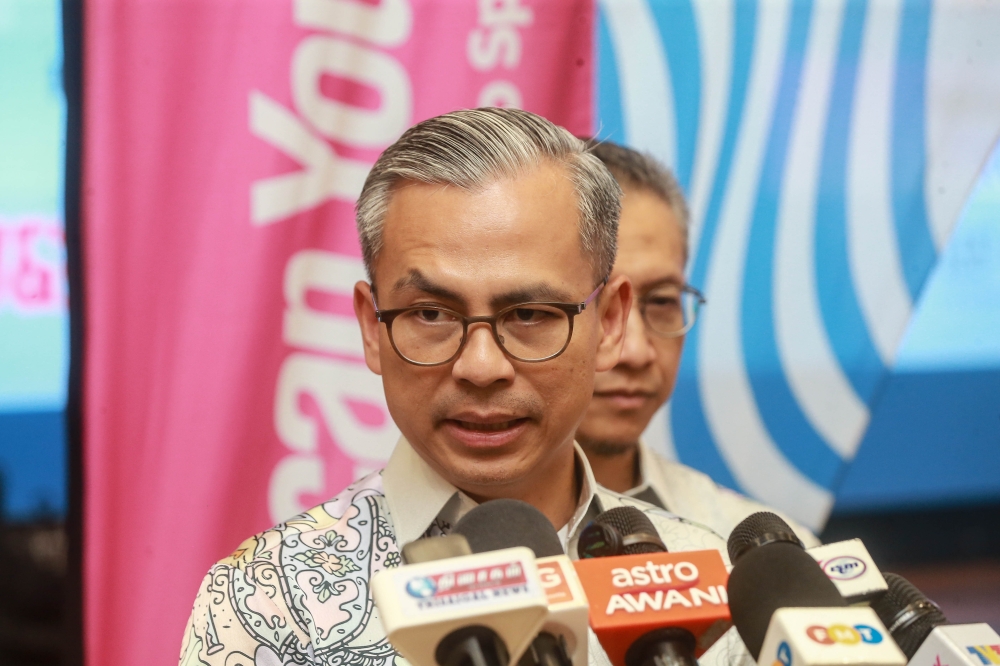
The Royal Commission of Inquiry report examining Lembaga Tabung Haji has been formally transmitted to a quartet of enforcement and regulatory authorities, signalling the government's commitment to investigating serious allegations against the pilgrim fund manager. Minister of Communications Fahmi Fadzil announced that the comprehensive document will now be scrutinised by the Royal Malaysia Police, Malaysian Anti-Corruption Commission (MACC), Bank Negara Malaysia, and the Inland Revenue Board (IRB), each tasked with examining aspects of the inquiry findings within their respective jurisdictions and mandates.
The distribution of the RCI report to multiple agencies reflects the scope and complexity of concerns identified during the inquiry process. Tabung Haji, which manages funds for Malaysian Muslims preparing for the hajj pilgrimage while generating investment returns, has faced mounting scrutiny over governance, financial management, and transparency in recent years. The decision to involve police, anti-corruption authorities, banking regulators, and tax officials indicates that investigators anticipate potential criminal activity, governance lapses, regulatory breaches, and possible tax-related irregularities requiring parallel investigations.
For Malaysian Muslims who have entrusted their hajj savings to Tabung Haji, the multi-agency referral offers potential accountability for any mismanagement or misconduct identified in the inquiry. Tabung Haji holds billions of ringgit in pilgrim savings and investment portfolios, making rigorous oversight essential for maintaining public confidence in the institution. The agency manages one of Asia's largest pools of discretionary capital, with profound implications not only for individual savers but also for Malaysia's financial stability and the integrity of Islamic finance practices in the country.
The involvement of Bank Negara Malaysia underscores the importance of regulatory scrutiny over the fund's financial operations, investment decisions, and compliance with banking and financial sector regulations. Bank Negara's participation suggests the inquiry may have uncovered concerns regarding Tabung Haji's financial reporting, asset management practices, or adherence to regulatory requirements governing investment vehicles and financial institutions. The central bank's investigation could determine whether corrective measures or enhanced regulatory frameworks are necessary to strengthen oversight of similar pilgrimage fund schemes throughout Southeast Asia.
The IRB's referral signals potential findings related to tax compliance and fiscal irregularities. Given Tabung Haji's substantial investment portfolios and financial transactions, tax authorities may investigate whether all income streams have been properly declared and whether the institution has fulfilled its tax obligations. This dimension of scrutiny is particularly significant as it relates to public financial management and the proper application of national revenue regulations, even for religiously-mandated savings programmes.
The MACC's involvement carries perhaps the most serious implications, as corruption investigations typically follow credible evidence of fraudulent activity, embezzlement, abuse of authority, or related offences. An anti-corruption inquiry into Tabung Haji operations could expose systemic governance failures, conflicts of interest among management and board members, or deliberate misconduct requiring prosecution. Such an investigation may extend beyond the institution's current leadership to examine historical decisions and transactions spanning multiple administrations.
The police referral ensures that criminal investigations can proceed in tandem with regulatory and anti-corruption work. Police may examine potential offences under the Penal Code and other criminal statutes, including fraud, criminal breach of trust, and conspiracy charges if evidence warrants. The coordination between police and MACC will be crucial to avoid duplication while ensuring comprehensive coverage of potential criminal conduct identified in the RCI report.
For Malaysian policymakers and religious authorities overseeing Islamic financial institutions, this development underscores growing recognition that governance standards in faith-based organisations must align with secular regulatory requirements. The referral sends a clear message that institutions managing substantial public funds, regardless of their religious purpose, cannot operate beyond the reach of standard accountability mechanisms. This principle carries implications across Malaysia's broader Islamic finance and institutional landscape.
The distribution of the RCI report also reflects international best practices in institutional accountability. Many jurisdictions facing major corporate or public institution scandals employ coordinated multi-agency investigations, allowing specialised bodies to examine different dimensions of misconduct simultaneously. This approach typically accelerates investigation timelines and ensures comprehensive accountability compared to serial, sequential examinations by single institutions.
Stakeholders including individual pilgrims, the hajj-going public, and Malaysia's broader Muslim community will be watching closely as investigations proceed. The credibility and speed with which these authorities examine RCI findings will substantially influence public perception of governmental commitment to protecting Muslim citizens' savings and maintaining institutional integrity. Delayed or inconclusive investigations could deepen public scepticism about accountability for large-scale institutional failures.
The referral process also raises questions about remedial measures and compensation for affected depositors if wrongdoing is substantiated. Parallel investigations may uncover distinct evidence of different offences requiring different remedies, from criminal prosecution and financial restitution to regulatory reforms and governance restructuring. Investigators will need to balance the desire for swift accountability with thorough, legally defensible examinations that withstand judicial scrutiny.
For the broader Malaysian financial system, the Tabung Haji matter serves as a reminder of persistent governance challenges facing large institutions managing concentrated public wealth. The involvement of multiple agencies signals that sustained, cross-sectoral vigilance will be necessary to maintain integrity in Islamic finance and protect Malaysia's reputation as a leading Islamic financial centre. How authorities handle these investigations will set precedents for oversight of comparable institutions across the region.

